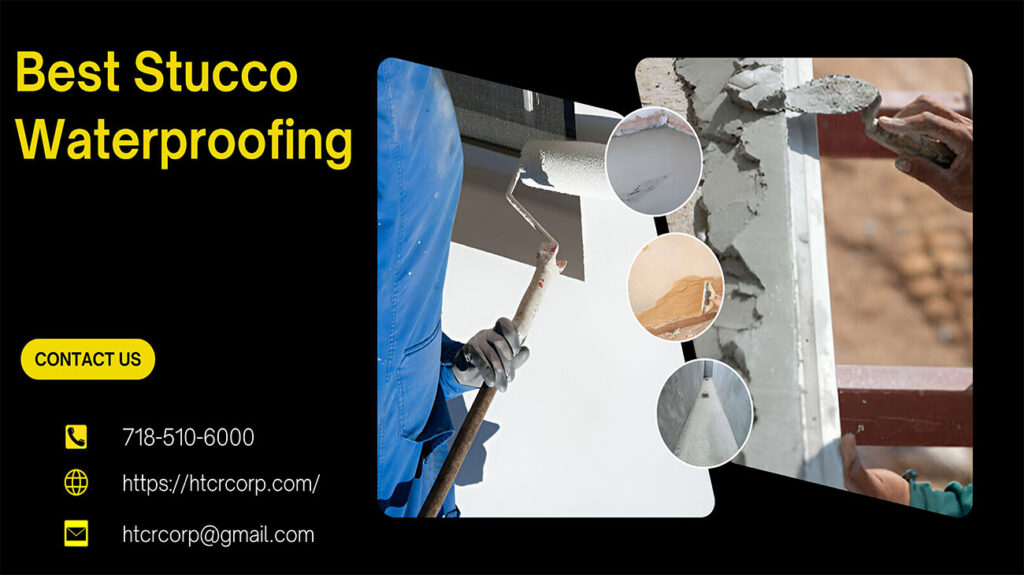
Best stucco waterproofing include cement-based, acrylic, EIFS systems, elastomeric coatings, sealers, and wraps. Each method protects walls from water, preventing damage and ensuring durability in various environments.
Best Stucco waterproofing protects walls from water. Types include cement-based stucco, which is strong and durable; acrylic stucco, known for flexibility; EIFS, which adds insulation, and elastomeric coatings, which stretch to cover cracks.
Sealers and wraps also provide extra protection, keeping walls dry and preventing water damage.
Table of Contents
Best Stucco Waterproofing Methods
Stucco walls look great, but they need protection from water. If water gets in, it can cause damage over time. That’s why we use the best waterproofing methods for stucco to keep your walls safe and long-lasting. Let’s look at the most common types:
Cement-Based Stucco
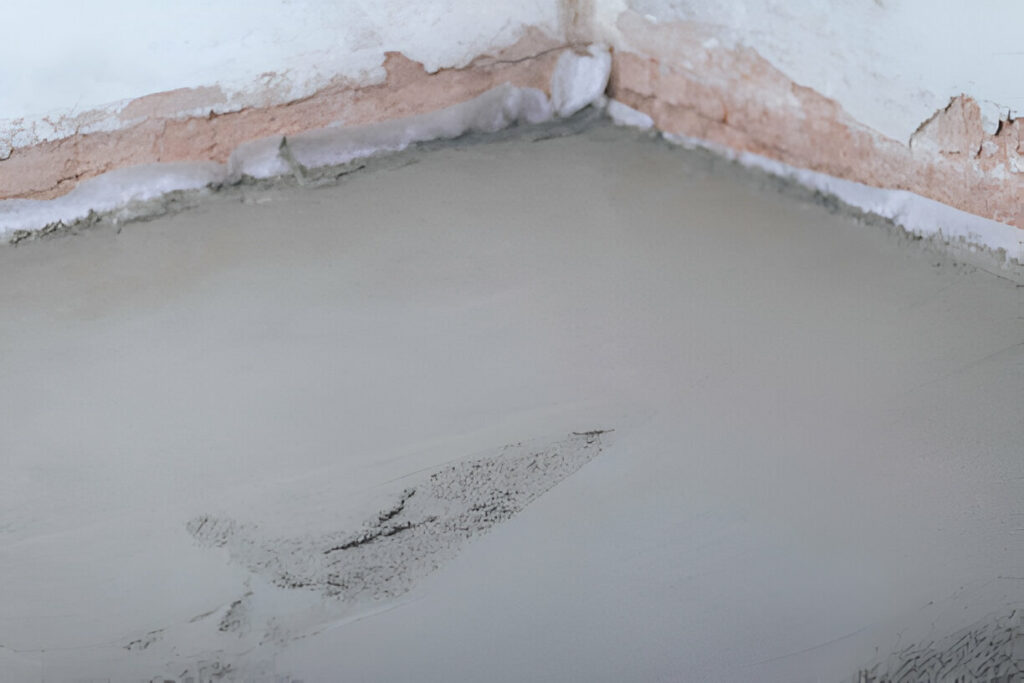
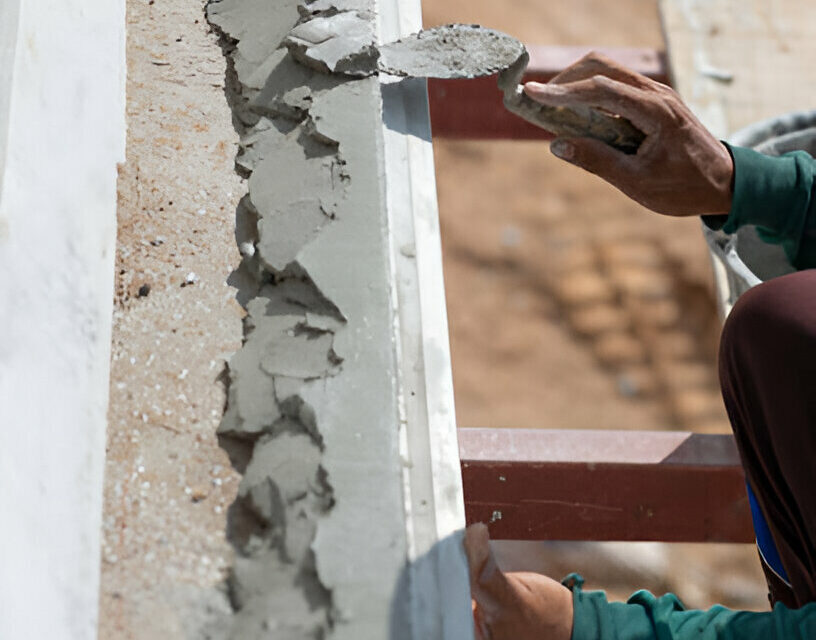
Cement-based stucco is very strong and durable. It is made by mixing sand, water, and cement. When applied in layers, it creates a solid and protective surface. Each layer adds strength and helps block water from getting through. This type of stucco is often used for its toughness and ability to handle different weather conditions.
Acrylic Stucco
Acrylic stucco is made with acrylic polymers, which make it more flexible than cement stucco. This flexibility helps prevent cracking. It also has a smooth, modern look and comes in many colors. Acrylic stucco is waterproof and works well in areas with changing temperatures because it can move slightly without breaking.
EIFS Stucco System (Exterior Insulation and Finish System)
EIFS is a modern stucco system that includes insulation layers. These layers help keep your home warm in winter and cool in summer. On top of the insulation is a strong, waterproof outer layer. This system is not only waterproof but also energy-efficient, making it a popular choice for many buildings.
Traditional Stucco
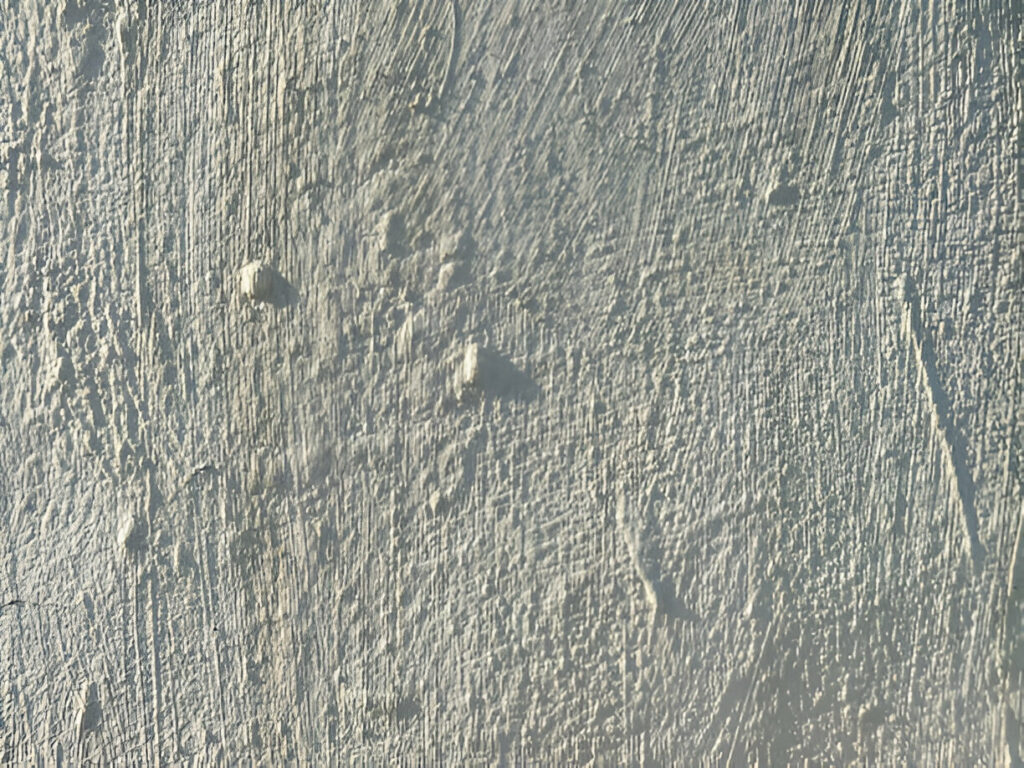
Traditional stucco has been used for many years. It’s made from lime, sand, and water. One of its best features is that it’s breathable. This means water can pass through it but also evaporates quickly, helping to prevent damage. Even though it’s not fully waterproof, it still offers good protection when properly maintained.
Stucco Waterproofing Paints
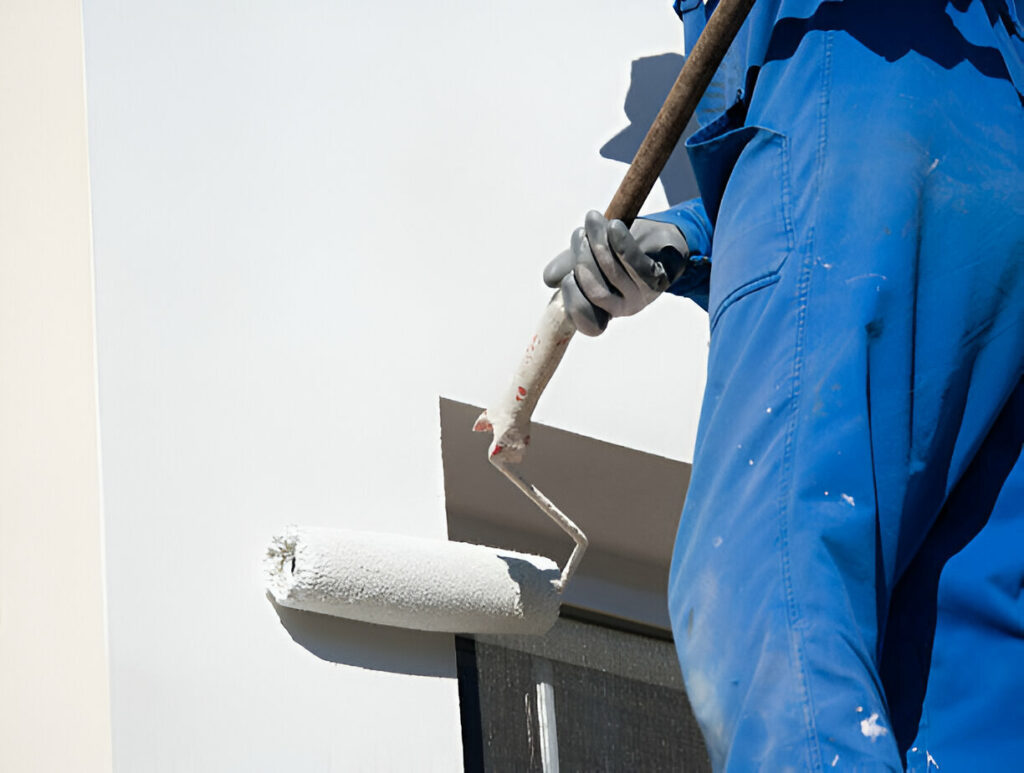
Waterproofing paints are an easy way to protect stucco walls. These special paints create a protective barrier on the surface. Once applied, they stop water from soaking into the wall. They are simple to use and can also improve the look of the stucco.
Stucco Sealers
Sealers help protect stucco by filling in small cracks and holes where water might enter. They are available in clear or colored finishes and help keep moisture out. Sealers not only stop water but also help preserve the look of the wall. A good sealer can last for many years.
Elastomeric Coatings
Elastomeric coatings are thick, rubber-like paints. They are very flexible, so they stretch and move with the wall as it expands or contracts. This helps prevent cracks and blocks water from getting in. Because of their strength and flexibility, these coatings are long-lasting and ideal for harsh weather.
Liquid Waterproofing Membranes
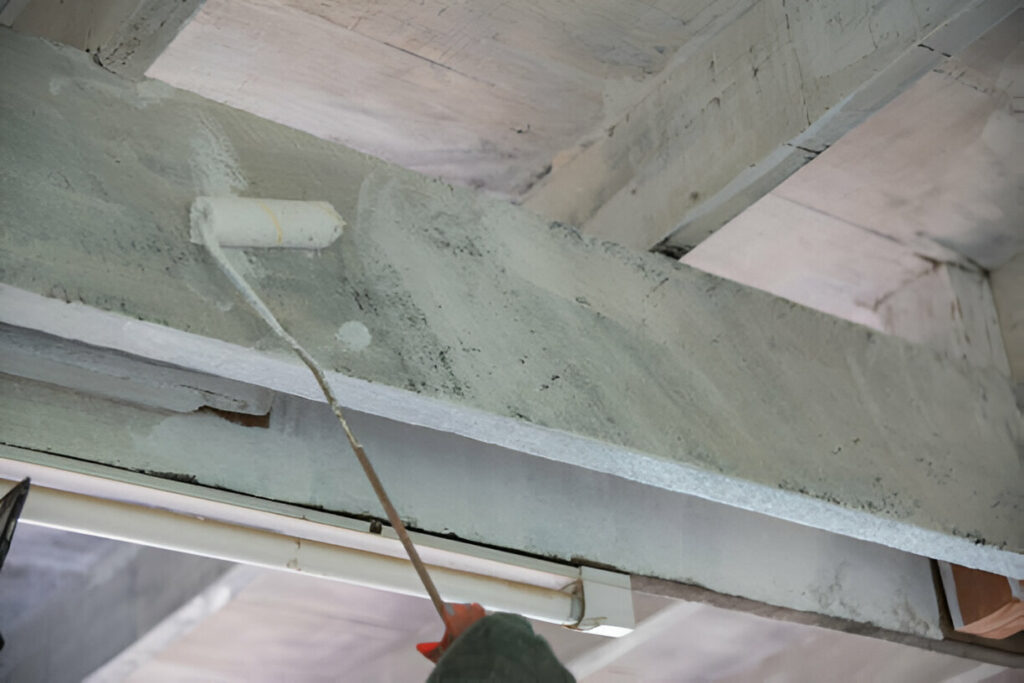
These membranes are applied like paint but dry to form a flexible, rubbery layer. Once dry, they create a waterproof surface that seals out water completely. Liquid waterproofing membranes are quick to apply and offer strong protection, making them a fast and effective option for stucco walls.
Drainage Mats
Drainage mats are placed underneath the stucco layer. They help water drain away from the wall, keeping the surface dry. This prevents moisture from building up and protects the structure behind the stucco.
Stucco Mesh
Stucco mesh adds strength and support to the stucco. It’s usually made from metal or fiberglass. The mesh helps the stucco stick to the wall and also allows water to drain better, reducing the risk of damage.
Stucco Wraps
Stucco wraps are special waterproof sheets placed under the stucco. They act as a protective barrier, stopping water from reaching the wall underneath. They are a simple and effective way to keep walls dry.
Two-Coat Stucco System
This system has two layers. The first is a thick base layer, and the second is a thinner top coat. Together, they provide strong water resistance and are easy to apply, making it a popular method for homes.
Three-Coat Stucco System
The three-coat system is very durable and offers the best protection. It starts with a scratch coat for grip, then a brown coat for strength, and finally a smooth finish coat. This method is long-lasting and reliable.
Synthetic Stucco
Synthetic stucco is made with plastic and foam materials. It’s lightweight, flexible, and fully waterproof. It also helps with insulation, making it a great choice for modern buildings that need energy efficiency.
Breathable Stucco
This type of stucco allows moisture vapor to escape from the wall, preventing mold and mildew. It’s ideal for humid or damp areas, as it helps keep the wall dry from the inside out.
Repairing Cracks
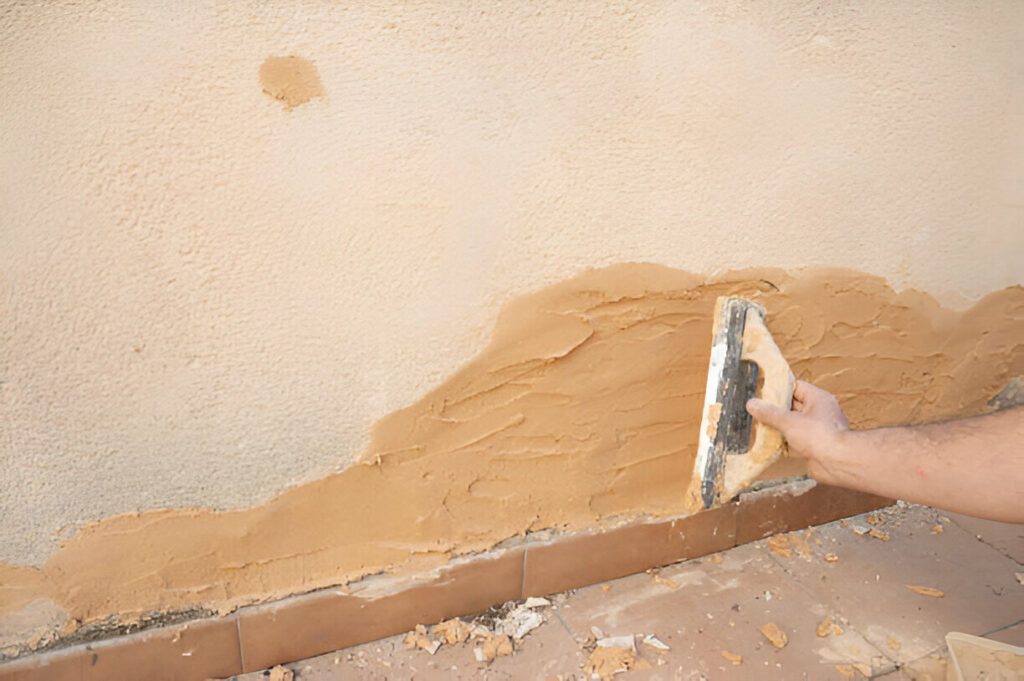
Cracks in stucco can let water in and cause damage. It’s important to repair them quickly. Use a stucco patch or filler to seal the cracks and keep the wall waterproof and protected.
Waterproofing Before Painting
Before you paint stucco walls, it’s a good idea to waterproof them first. This adds extra protection and helps the paint stick better and last longer, especially in rainy or humid areas.
Choosing the Right Method
Always choose the right waterproofing method based on your location and the condition of your walls. Some methods work better in cold or dry areas, while others are ideal for wet or coastal climates.
Maintenance is Key
Taking care of your stucco is important. Clean it regularly, check for cracks, and repair any damage right away. Reapply waterproofing when needed. Regular maintenance helps your stucco walls stay strong and last longer.
Why Waterproof Stucco?
Waterproofing stucco is important because it protects your home from water damage. When stucco is not sealed properly, rain and moisture can seep in, leading to cracks, stains, and even structural damage over time.
Waterproof stucco also helps prevent the growth of mold and mildew, which can be harmful to your health and difficult to remove once it starts spreading. By keeping moisture out, your walls stay dry, strong, and clean.
In the long run, waterproofing saves you money. It reduces the need for repairs and extends the life of your exterior walls. Though it may seem like an extra cost at first, waterproofing your stucco is a smart investment that helps protect your home for years to come.
Conclusion
Using the best stucco waterproofing methods is essential for protecting your home. Stucco may look strong, but without proper waterproofing, it can absorb water and lead to serious damage over time.
There are many effective waterproofing options available — from sealers and paints to drainage systems and special coatings. Each method offers different benefits, so it’s important to choose the one that fits your climate, wall type, and budget.
Regular maintenance and the right waterproofing method will keep your stucco strong, clean, and dry for years. By taking the time to protect your walls now, you can avoid costly repairs and enjoy a safer, longer-lasting home exterior.