
NYC DCA 2006980-DCA · Licensed & Insured
TPO Roofing Services in NYC
Installation, repair, replacement, and maintenance for TPO (thermoplastic polyolefin) membrane roofs across Manhattan, Brooklyn, Queens, the Bronx & Staten Island — a reflective, energy-efficient system built for commercial and industrial properties.
—Brooklyn's Trusted Roofing Contractor
TPO Roofing Built to Protect Your Property
Hi Tech Contracting & Restoration Corp is a team of experienced roofing professionals dedicated to top-quality TPO roofing solutions for commercial and industrial properties across NYC. TPO — thermoplastic polyolefin — is a reflective single-ply membrane valued for its flexibility, UV resistance, and long service life, making it one of the most cost-effective flat roofing systems available today.
Whether you need a small repair, routine maintenance, or a full installation, we handle the job with precise techniques and quality materials. We provide TPO roofing services in Brooklyn, Queens, Far Rockaway, Staten Island, Manhattan, Jackson Heights, Astoria, East New York, and surrounding areas.
718-510-6000
Call Us For Instant Inquiry
Request a Free Estimate
—Our TPO Roofing Specialties
TPO Roofing Services We Provide
Eight specialties covering the full lifecycle of a TPO roof, from first install to long-term restoration.
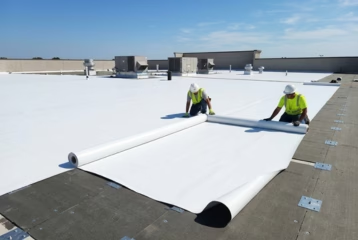
TPO Roof Installation
Surface prep, membrane application, and sealed seams for a watertight, durable finish.
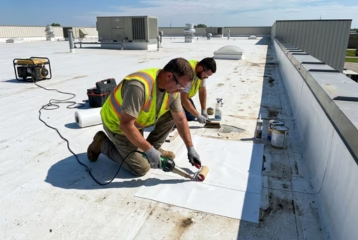
TPO Roof Repairs
Leaks, punctures, and tears repaired to keep the membrane watertight and prevent interior damage.
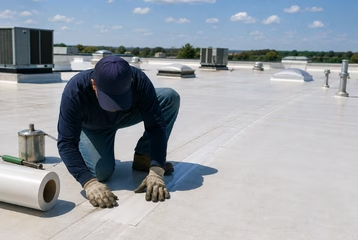
TPO Roof Maintenance
Periodic inspection, cleaning, and minor repairs that catch issues before they escalate.
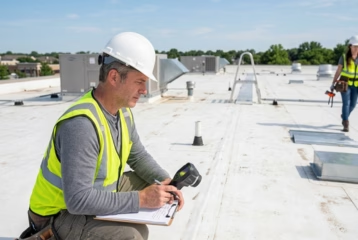
TPO Roof Inspections
Membrane, seams, flashing, and drainage checked to catch damage before it becomes a leak.
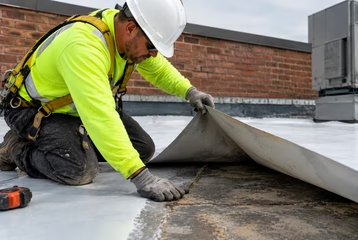
TPO Roof Replacements
Old membrane removed and replaced when repairs are no longer cost-effective.
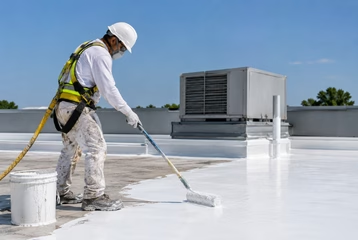
TPO Roof Waterproofing
Specialized coatings and seals applied for a durable, watertight barrier.
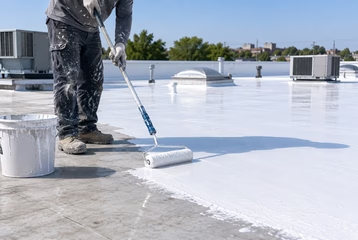
TPO Roof Coating
Protective coatings that improve UV and weather resistance while extending roof life.
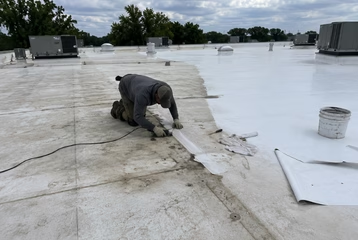
TPO Roof Restoration
Cleaning, repair, and recoating that rejuvenates an aging roof cost-effectively.
—A Closer Look
Install It Right, Maintain It Longer
Two of the most common TPO roofing needs, and how we approach each one.
—Installation
TPO Roof Installation
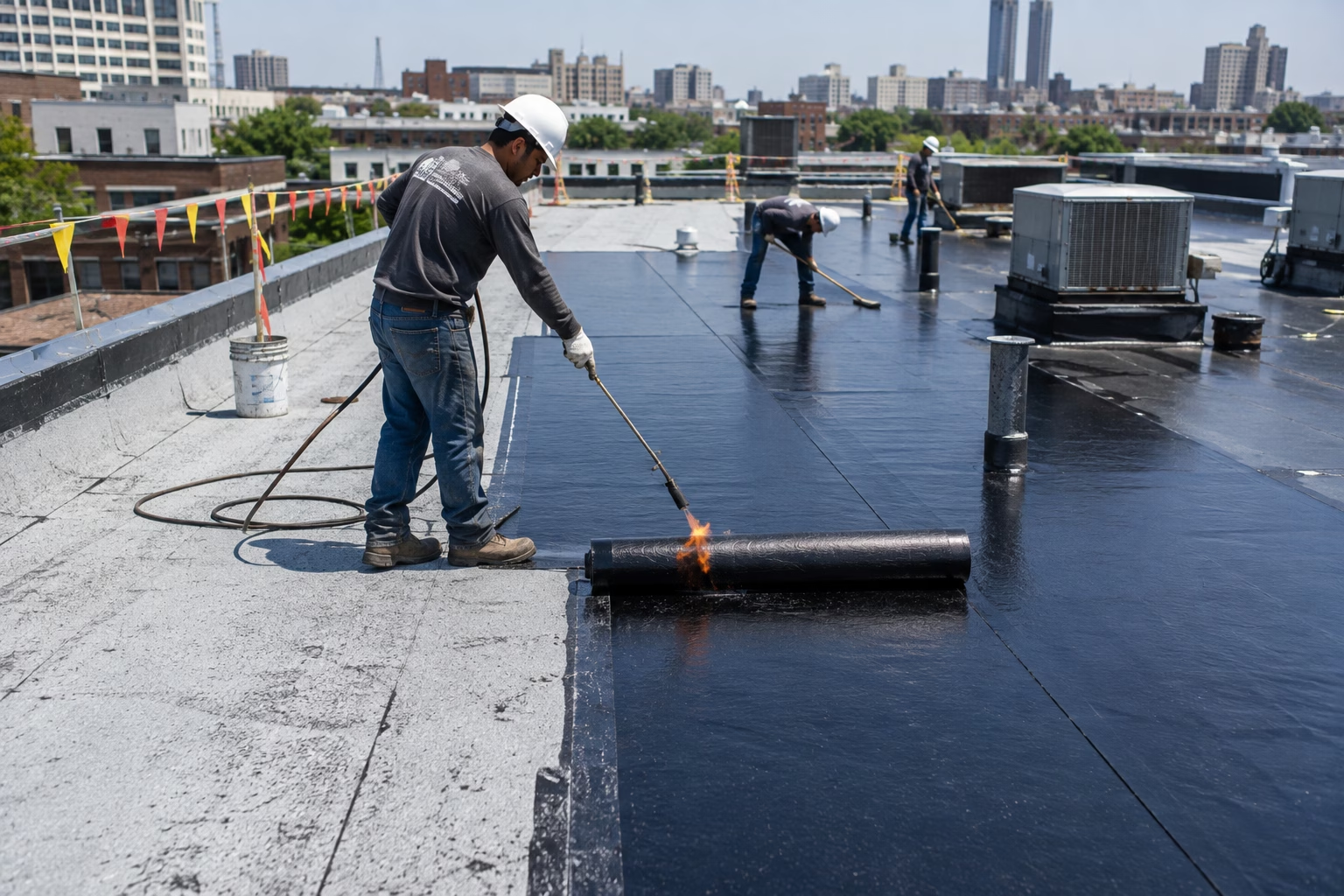
TPO installation involves expertly fitting a thermoplastic polyolefin membrane for durable, weather-resistant protection. This includes preparing the roof surface, applying the membrane, and sealing seams and edges to create a seamless, watertight barrier. TPO roofs are known for their flexibility, UV resistance, and long lifespan, making them an excellent choice for commercial and industrial buildings. We use precise installation techniques and high-quality materials to deliver a reliable roofing system that enhances both durability and appearance.
—Repair & Maintenance
TPO Roof Repairs & Maintenance
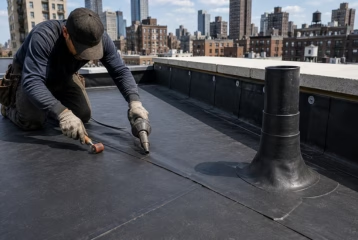
TPO repairs address leaks, punctures, tears, and general wear before they turn into costly water damage. We combine that with regular maintenance — periodic inspections, cleaning, and minor repairs — to keep the roof watertight and extend its lifespan. Regular upkeep is what separates a TPO roof that hits its full 20-to-30-year rated life from one that needs early replacement.
—Related Roofing
Comparing Membrane Systems?
TPO isn’t the only flat roofing option — see how it compares.
Flat Roofing NYC
An overview of all flat roofing systems, including EPDM, PVC, and modified bitumen.
EPDM Roofing
Durable rubber membrane roofing valued for flexibility and cost-effective installation.
— Why Choose Us
Why Choose HTCR for TPO Roofing
Seam quality is what determines whether a TPO roof lasts 25 years or fails in five.
Precise Seam Work
Heat-welded seams sealed correctly the first time — the most common point of TPO failure.
Full Lifecycle Support
Installation, repair, maintenance, and restoration handled by the same crew over the roof’s life.
Licensed & Insured
NYC DCA licensed and EPA certified, protecting your property on every job.
24/7 Emergency Response
Active leaks handled on a priority basis to stop water intrusion fast.
12+ Years Experience
A proven track record across Manhattan, Brooklyn, Queens, the Bronx & Staten Island.
Detailed Estimates
Free inspection with a written, itemized quote before any work begins.
— Our Process
From Inspection to Finished Roof
Five stages, always in this order — seam quality during install is what determines how the roof performs for decades.
Inspection
We assess the existing roof condition and scope the right service.
Written Estimate
An itemized, no-obligation quote — usually same week.
Surface Prep
Roof surface cleaned and prepared for membrane application or repair.
Application
TPO membrane applied and seams heat-welded for a watertight seal.
Walkthrough
Inspection and sign-off so you see the results before we call it done.
— Questions
Faqs — TPO Roofing NYC
TPO stands for thermoplastic polyolefin, a single-ply reflective membrane roofing material. It’s popular for flat and low-slope commercial roofs because it reflects UV rays to reduce cooling costs while resisting punctures, tears, and chemical exposure.
A properly installed and maintained TPO roof typically lasts 20 to 30 years. Lifespan depends on membrane thickness, installation quality, and how consistently the roof receives inspections and minor repairs over time.
TPO is a reflective, light-colored membrane that helps reduce cooling costs, while EPDM is a dark rubber membrane known for flexibility and cost-effectiveness. TPO generally offers better puncture and chemical resistance, while EPDM has a longer track record and often costs less upfront.
We recommend TPO roof inspections annually or semi-annually. Regular inspections catch seam separation, punctures, or flashing issues early, before they turn into leaks or costly interior water damage.
Isolated punctures, tears, or seam issues can usually be repaired without replacing the whole roof. Full replacement becomes the better option when the membrane has widespread damage, has reached the end of its rated lifespan, or has required repeated repairs that are no longer cost-effective.