What Is a Roofing Cop?
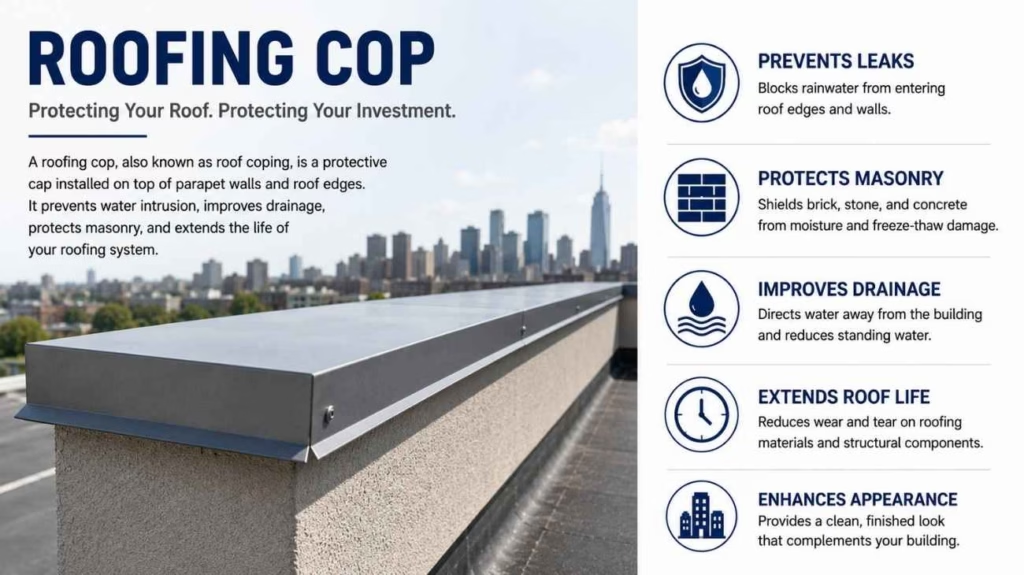
A roofing cop, also known as roof coping, is a protective cap installed on top of parapet walls and roof edges. Its primary purpose is to prevent water from entering vulnerable areas where the roof meets a wall. A properly installed roofing cop improves drainage, protects masonry, reduces weather damage, and extends the lifespan of a flat roofing system.
Roofing cop is commonly used on commercial buildings, apartment complexes, warehouses, schools, hospitals, and residential properties with parapet walls. Although it appears to be a simple finishing detail, it plays a vital role in protecting the entire building envelope from moisture intrusion.
Quick Answer: If your building has a flat roof with parapet walls, installing a high-quality roofing cop is one of the best ways to prevent roof leaks, preserve masonry, and improve the long-term performance of your roofing system.
Roofing Cop at a Glance
| Feature | Details |
|---|---|
| Primary Purpose | Protects parapet walls and roof edges from water intrusion |
| Common Materials | Aluminum, galvanized steel, stainless steel, copper, concrete, stone, PVC |
| Best For | Flat roofs and low-slope roofing systems |
| Average Lifespan | 20–60+ years depending on the material |
| Maintenance | Inspect twice a year and after major storms |
| Installation | Recommended by experienced roofing professionals |
Why Is Roofing Cop Important?
Roof edges are constantly exposed to harsh weather conditions. Rainwater, melting snow, sunlight, wind, and temperature changes gradually wear down unprotected roofing materials. Roofing cop provides an extra layer of defense that helps protect these vulnerable areas.
Prevents Water Intrusion
The primary purpose of roofing cop is to keep water out of the building. It covers the top of parapet walls where moisture is most likely to enter, creating a waterproof barrier that helps prevent roof leaks and interior water damage.
Protects Parapet Walls
Brick, concrete, and stone naturally absorb moisture. During freezing temperatures, trapped water expands, causing cracks and surface deterioration. Roof coping shields these materials from direct weather exposure and helps preserve their structural integrity.
Improves Roof Drainage
Most roofing cop systems are designed with a slight slope that directs water away from the building. Better drainage reduces standing water and minimizes the risk of leaks around roof edges.
Extends Roof Lifespan
By protecting roofing membranes, flashing, insulation, and masonry, roof coping helps reduce wear and tear on the entire roofing system. This can significantly extend the service life of your roof while lowering long-term maintenance costs.
Creates a Finished Appearance
In addition to its protective function, roofing cop gives buildings a clean, professional appearance. It creates a finished roofline that complements modern commercial buildings, apartment complexes, industrial facilities, and residential properties.
HTCR Corp Expert Insight: During our roof inspections, one of the most common causes of leaks isn’t damaged roofing membranes—it’s deteriorated coping joints. Replacing worn or damaged roof coping before leaks develop can help prevent expensive structural repairs and extend the life of your roofing system.
What Materials Are Used for Roofing Cop?
Choosing the right roofing cop material depends on your building type, budget, climate, and long-term maintenance goals. While every material offers protection, each has unique advantages.
The most commonly used roofing cop materials include:
- Aluminum
- Galvanized Steel
- Stainless Steel
- Copper
- Concrete
- Natural Stone
- PVC and Composite Materials
In the next section, we’ll compare these materials, explain their advantages, and help you determine which roofing cop solution is best for your property.
What Materials Are Used for Roofing Cop?
The material you choose for your roofing cop has a direct impact on its durability, maintenance requirements, appearance, and overall performance. The right option depends on your roof type, local climate, budget, and the expected lifespan of your roofing system.
Below are the most common roofing cop materials used on residential and commercial buildings.
Aluminum Roofing Cop
Aluminum is one of the most popular choices because it is lightweight, rust-resistant, and easy to install. It performs exceptionally well in humid environments and requires very little maintenance over its lifespan.
Advantages
- Lightweight and durable
- Naturally corrosion-resistant
- Low maintenance
- Available in multiple colors and finishes
- Long service life
Best For
- Commercial buildings
- Apartment complexes
- Office buildings
- Flat roofs
Galvanized Steel Roofing Cop
Galvanized steel is known for its strength and impact resistance. A protective zinc coating helps prevent corrosion, making it an excellent option for buildings exposed to demanding weather conditions.
Advantages
- High strength
- Excellent wind resistance
- Cost-effective
- Long-lasting performance
Best For
- Warehouses
- Industrial buildings
- Commercial roofing systems
Stainless Steel Roofing Cop
Stainless steel provides exceptional durability and superior corrosion resistance. Although it has a higher upfront cost, it offers excellent long-term value with minimal maintenance.
Advantages
- Extremely durable
- Rust resistant
- Premium appearance
- Low maintenance
Best For
- Healthcare facilities
- Coastal environments
- High-end commercial properties
Copper Roofing Cop
Copper is a premium roofing material valued for both its appearance and longevity. Over time, it develops a natural protective patina that enhances its resistance to weather and corrosion.
Advantages
- Exceptional lifespan
- Elegant architectural appearance
- Minimal maintenance
- Naturally corrosion resistant
Best For
- Historic buildings
- Churches
- Luxury homes
- Landmark restoration projects
Concrete and Stone Roofing Cop
Concrete and natural stone coping are commonly used on masonry structures because they complement brick and stone construction while providing outstanding durability.
Advantages
- Strong and weather resistant
- Traditional appearance
- Excellent protection for masonry
- Long lifespan
Best For
- Brownstones
- Apartment buildings
- Historic properties
- Masonry restoration projects
PVC and Composite Roofing Cop
PVC and composite coping systems are lightweight, affordable, and compatible with many modern flat roofing systems. They require very little maintenance and offer reliable weather protection.
Advantages
- Budget friendly
- Lightweight
- Moisture resistant
- Easy maintenance
Best For
- Budget-conscious projects
- Modern commercial roofs
- Low-slope roofing systems
Roofing Cop Material Comparison
Choosing the right material becomes easier when you compare durability, maintenance, and recommended applications.
| Material | Average Lifespan | Maintenance | Best For |
|---|---|---|---|
| Aluminum | 30–40 Years | Low | Commercial Buildings |
| Galvanized Steel | 25–40 Years | Medium | Industrial Facilities |
| Stainless Steel | 40–60 Years | Low | Premium Commercial Projects |
| Copper | 60+ Years | Very Low | Historic & Luxury Properties |
| Concrete | 40–60 Years | Medium | Masonry Buildings |
| Natural Stone | 50+ Years | Low | Brownstones & Historic Buildings |
| PVC/Composite | 20–30 Years | Low | Budget Flat Roofs |
HTCR Corp Recommendation: Aluminum is often the best choice for many commercial properties because it offers an excellent balance of durability, corrosion resistance, and affordability. However, every building is different. A professional roof inspection can help determine which material is best for your specific roofing system.
Benefits of Installing Roofing Cop
Installing a quality roofing cop is a long-term investment in your property. While it protects the roof, it also helps reduce maintenance costs and improves the overall performance of the building.
Prevents Costly Water Damage
Roof coping creates a protective barrier over exposed parapet walls, preventing rainwater from entering vulnerable areas of the roof. This reduces the risk of leaks, mold growth, damaged insulation, and structural deterioration.
Protects Masonry from Weather
Brick, concrete, and stone are constantly exposed to rain, snow, and sunlight. Over time, moisture can weaken these materials, especially during freeze-thaw cycles. Roof coping acts as a protective cap that helps preserve masonry and reduce weather-related damage.
Improves Roof Drainage
Properly installed roofing cop encourages rainwater to flow away from the building rather than collect on flat surfaces. Better drainage reduces standing water and helps protect the roofing membrane.
Extends the Life of Your Roofing System
Roofing cop helps protect critical roofing components, including flashing, insulation, roof membranes, and parapet walls. By reducing weather exposure, it helps maximize the lifespan of the entire roofing system.
Enhances Building Appearance
Roof coping provides a clean, finished roofline that complements both traditional and modern architecture. It improves curb appeal while adding functional protection.
Reduces Long-Term Maintenance Costs
Preventing moisture intrusion today can eliminate expensive repairs in the future. Investing in quality roof coping often costs far less than repairing water damage caused by deteriorated roof edges.
Roofing Cop vs Flashing vs Drip Edge
These roofing components all help manage water, but each serves a different purpose.
| Component | Primary Purpose | Installed On |
|---|---|---|
| Roofing Cop | Protects parapet walls from water intrusion | Top of parapet walls |
| Flashing | Seals roof joints and transitions | Around chimneys, walls, skylights, vents |
| Drip Edge | Directs water into gutters | Roof eaves and edges |
Roofing Cop
Roof coping covers the top of parapet walls and creates a waterproof barrier that protects roof edges from weather exposure.
Flashing
Flashing seals joints where different roofing materials meet, helping prevent water from entering around penetrations such as chimneys, skylights, and roof-to-wall intersections.
Drip Edge
Drip edge is installed along the edges of sloped roofs to guide rainwater into gutters and protect the roof deck from moisture.
Key Takeaway: These components work together to create a complete waterproof roofing system. Removing or neglecting any one of them increases the risk of leaks and premature roof damage.
How Do You Know If Your Roofing Cop Needs Replacement?
Like every roofing component, roof coping eventually wears out. Regular inspections help identify problems before they become major repairs.
Watch for these common warning signs:
- Rust or corrosion on metal coping
- Loose or displaced coping sections
- Cracked concrete or stone coping
- Missing fasteners
- Open joints or failed sealant
- Water stains near parapet walls
- Roof leaks after heavy rain
- Visible gaps between coping sections
- Deteriorating masonry
- Standing water along roof edges
If you notice any of these issues, schedule a professional roof inspection as soon as possible. Addressing small problems early is usually far less expensive than repairing widespread water damage later.
How Is Roofing Cop Installed?
Installing a roofing cop requires careful planning, accurate measurements, and professional workmanship. Even a small installation error can create gaps that allow water to enter the roofing system. That’s why most property owners choose an experienced roofing contractor for coping installation.
Although every building is different, the installation process generally follows these steps.
1. Roof Inspection
The first step is a thorough inspection of the existing roofing system. Contractors examine the parapet walls, flashing, roof membrane, and roof edges to identify any damage that should be repaired before the new coping is installed.
During the inspection, they look for:
- Cracked parapet walls
- Loose flashing
- Water damage
- Rusted coping
- Deteriorated sealants
- Drainage issues
A proper inspection ensures the new coping system is installed on a solid foundation.
2. Accurate Measurements
Every parapet wall is carefully measured to ensure the coping fits perfectly.
Measurements typically include:
- Wall width
- Roof perimeter
- Corner details
- Expansion joint locations
- Roof edge dimensions
Custom-fabricated coping provides a better fit and stronger weather protection than improperly sized materials.
3. Surface Preparation
Before installation begins, the roof edge is prepared by removing damaged materials and repairing any underlying issues.
This may include:
- Removing old coping
- Replacing damaged wood blocking
- Repairing masonry
- Installing new waterproof membrane
- Cleaning the work area
Skipping this step can reduce the lifespan of the new roofing cop.
4. Installing the Roofing Cop
Once the roof edge is prepared, the coping sections are positioned and secured using concealed clips or corrosion-resistant fasteners.
Professional installers ensure:
- Proper alignment
- Secure fastening
- Correct overlap
- Adequate expansion spacing
- Proper slope for drainage
These details help prevent future leaks and improve wind resistance.
5. Sealing and Final Inspection
After installation, all joints, corners, and transitions are sealed with high-performance roofing sealant.
The contractor then performs a final inspection to verify:
- Secure fasteners
- Waterproof joints
- Proper drainage
- Straight alignment
- Complete weather protection
A final quality check helps ensure the coping system performs as intended for many years.
HTCR Corp Expert Insight: Proper installation is just as important as choosing the right material. We’ve repaired many roof leaks caused by poorly installed coping systems. A professional installation helps protect your investment and minimizes future maintenance costs.
Why Professional Installation Matters
Roofing cop may look simple, but it is one of the most important waterproofing components on a flat roof. Incorrect installation can lead to leaks, damaged masonry, and premature roof failure.
Working with an experienced roofing contractor offers several advantages:
- Accurate measurements and custom fabrication
- Proper waterproofing techniques
- Correct material selection
- Improved wind resistance
- Better long-term performance
- Manufacturer-recommended installation methods
- Workmanship backed by professional experience
Professional installation also ensures the coping integrates correctly with the roof membrane and flashing to create a complete waterproof roofing system.
Why Choose HTCR Corp?
Choosing the right contractor is just as important as choosing the right roofing material. At HTCR Corp, we provide dependable roofing solutions designed to protect residential, commercial, and industrial properties throughout New York City.
Our experienced team understands the unique challenges that local buildings face, including heavy rainfall, freeze-thaw cycles, aging masonry, and strong winds. Every roofing project is completed using quality materials, proven installation techniques, and careful attention to detail.
Why Property Owners Trust HTCR Corp
- Experienced roofing professionals
- High-quality roofing materials
- Residential and commercial roofing expertise
- Professional roof inspections
- Roof repair and roof replacement services
- Waterproofing and parapet wall repair
- Transparent estimates with no hidden costs
- Reliable workmanship backed by years of experience
Whether you need new roofing cop installation, repairs, or a complete roof replacement, our team is committed to delivering long-lasting solutions that protect your property.
Frequently Asked Questions
What is the purpose of a roofing cop?
A roofing cop protects parapet walls and roof edges from water intrusion. It improves drainage, protects masonry, and helps extend the lifespan of flat roofing systems.
How long does roofing cop last?
Most roofing coping systems last between 20 and 60 years, depending on the material, installation quality, weather conditions, and routine maintenance.
Can roofing cop be repaired instead of replaced?
Yes. Minor problems such as loose fasteners, deteriorated sealant, or small gaps can often be repaired. However, severe corrosion, cracked coping, or widespread damage may require a complete replacement.
What is the best roofing cop material?
There isn’t a single best material for every project. Aluminum is a popular option because it is durable, lightweight, and corrosion-resistant. Copper offers exceptional longevity, while concrete and stone are commonly used on masonry buildings.
How often should roofing cop be inspected?
Roofing professionals recommend inspecting roof coping at least twice a year and after severe storms to identify potential problems before they become costly repairs.
Final Thoughts
A roofing cop is a small component with a significant impact on the performance of your roofing system. By protecting parapet walls, improving drainage, and preventing water intrusion, it helps extend the life of your roof while reducing maintenance costs.
Whether you’re installing a new flat roof or maintaining an existing one, choosing the right roofing cop and ensuring professional installation are essential steps toward protecting your property.
If you’ve noticed rust, loose coping sections, cracked masonry, or recurring roof leaks, don’t wait for the damage to get worse. A professional inspection can identify the problem early and help you avoid more extensive repairs.
At HTCR Corp, we provide expert roofing cop installation, repair, and replacement services for residential and commercial properties throughout New York City. Our experienced team is ready to help you protect your roof with durable, high-quality solutions built to last.
Schedule Your Roofing Inspection Today
Protect your investment with professional roofing services from HTCR Corp. Contact our team today to schedule a roof inspection, discuss your roofing cop project, or request a free estimate. We’ll help you choose the right solution to keep your roof strong, watertight, and built for long-term performance.
Contact US
Website: www.htcrcorp.com/
Phone: 718-510-6000
Serving: Manhattan, Brooklyn, Queens, The Bronx, Westchester County, and Long Island.
Address: 201 Bay 43rd St 2nd FL Brooklyn, NY 11214