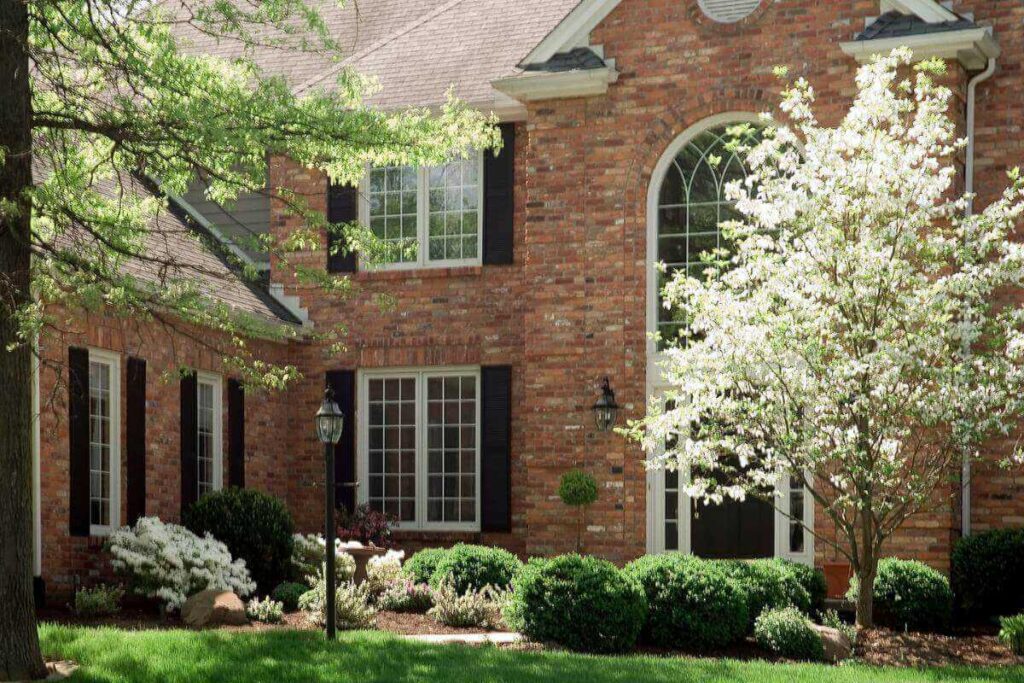
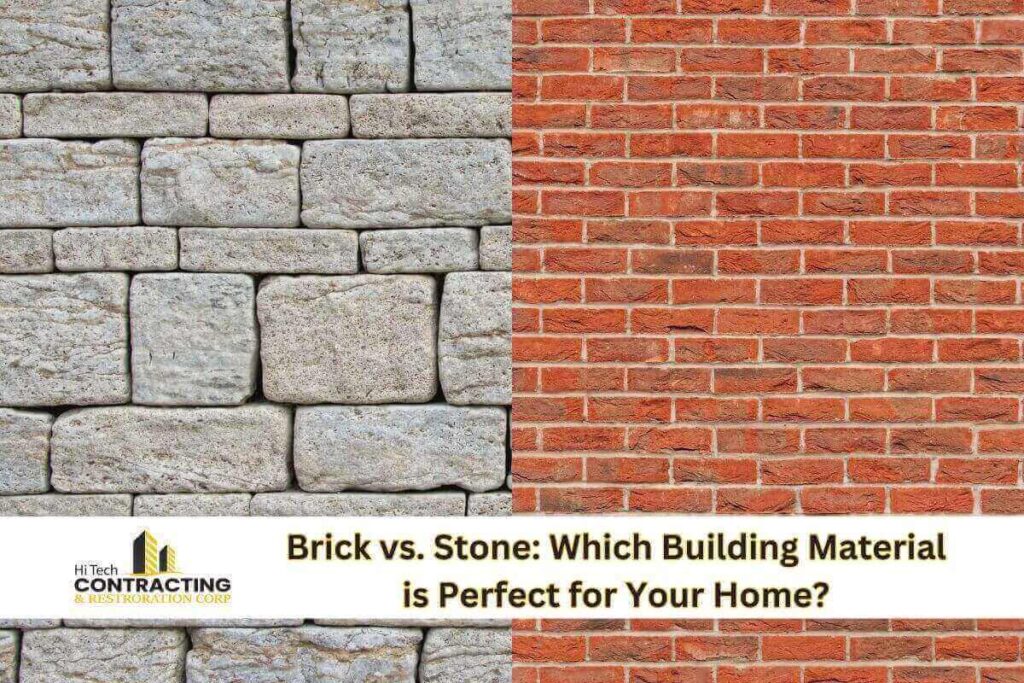
Brick veneer is a popular exterior wall system used in residential and commercial construction. Unlike solid brick construction, it is a non-structural masonry cladding installed over a wood, steel, or concrete backing wall, providing the classic look of brick with excellent durability, weather resistance, and curb appeal.
Many homeowners choose this exterior cladding because it delivers the appearance of traditional masonry without the higher structural costs. A properly designed system includes a moisture barrier, air gap, flashing, brick ties, and weep holes that work together to manage water intrusion and improve long-term performance.
Whether you’re building a new home or planning a renovation, understanding how brick veneer works can help you choose the right exterior finish. This guide explains its construction, benefits, types, common problems, repair options, and maintenance requirements.
What Is Brick Veneer?
A brick veneer is a single layer of brick installed on the exterior of a building rather than serving as its structural support. The building’s weight is carried by a wood or steel-framed wall, concrete masonry units (CMU), or reinforced concrete behind the exterior cladding. This construction method combines the classic appearance of brick with reliable weather protection and long-term durability.
Unlike solid brick construction, a brick veneer wall includes a drainage cavity between the masonry and the backing wall. This space allows moisture to drain safely while improving airflow, helping the wall dry efficiently after rain and reducing the risk of water damage.
A typical wall assembly includes:
- Structural backing wall
- Weather-resistant moisture barrier
- Air cavity for drainage
- Brick ties
- Exterior brick
- Flashing
- Weep holes
- Mortar joints
Together, these components create a durable, moisture-resistant system that protects the structure while enhancing the building’s appearance
How a Brick Veneer Wall Is Built
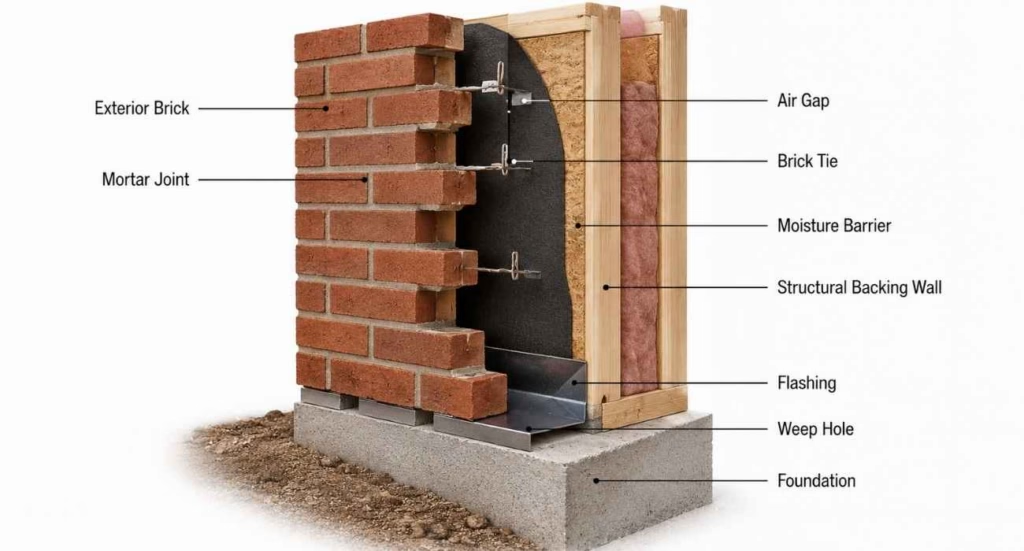
A properly constructed brick veneer wall is made up of several components that work together to provide structural stability, weather resistance, and effective moisture management. Each layer plays a specific role in protecting the building and extending the life of the masonry.
Foundation
The system begins with a reinforced foundation or brick ledge that supports the weight of the exterior masonry. A stable base helps prevent settlement, cracking, and alignment issues.
Structural Backing Wall
The structural wall carries the building’s load and is typically made of:
- Wood framing
- Steel framing
- Concrete masonry units (CMU)
- Reinforced concrete
The exterior brick serves as a protective and decorative cladding rather than a structural element.
Moisture Barrier
A weather-resistant barrier is installed over the backing wall to stop water from reaching the insulation and interior structure, helping prevent long-term moisture damage.
Brick Ties
Corrosion-resistant brick ties anchor the masonry to the structural wall while allowing for normal expansion and contraction caused by temperature changes.
Air Gap
A drainage cavity between the brick and backing wall allows moisture to drain and improves airflow, reducing the risk of mold, deteriorated mortar, and trapped water.
Flashing
Flashing is installed around openings and at the base of the wall to collect water and direct it safely toward the weep holes.
Weep Holes
Small openings near the bottom of the wall allow trapped moisture to escape, helping keep the drainage cavity dry and functioning properly.
Mortar Joints
Mortar bonds the bricks together and helps resist water penetration. Damaged joints should be repaired promptly to maintain the wall’s strength and weather resistance.
Benefits of Brick Veneer
A professionally installed brick veneer wall offers a combination of durability, beauty, and long-term performance, making it one of the most popular exterior cladding systems for residential and commercial properties. Beyond its classic appearance, this masonry finish provides reliable weather protection, low maintenance, and lasting value.
Timeless Appearance
Brick has been a preferred exterior material for generations because of its natural texture, rich color options, and lasting visual appeal. Whether used on traditional homes or contemporary buildings, it complements a wide range of architectural styles and enhances overall curb appeal.
Exceptional Durability
One of the greatest advantages of this exterior masonry system is its ability to withstand harsh weather conditions. It resists wind, UV exposure, moisture, and everyday wear far better than many other cladding materials. With proper installation and routine maintenance, a brick veneer house can maintain its appearance and structural performance for decades.
Effective Moisture Protection
A properly constructed wall assembly includes an air cavity, moisture barrier, flashing, and weep holes that work together to manage water efficiently. Instead of trapping moisture behind the masonry, these components direct it safely away from the structure, helping reduce the risk of water intrusion and long-term damage.
Improved Energy Efficiency
Although brick provides natural thermal mass, the complete wall system also contributes to better insulation. The air gap and insulated backing wall help reduce heat transfer, making indoor spaces more comfortable while improving overall energy efficiency throughout the year.
Low Maintenance Requirements
Compared to many exterior finishes, brick veneer siding requires very little ongoing maintenance. Periodic inspections, occasional cleaning, and timely mortar joint repairs are typically enough to keep the exterior in excellent condition for many years.
Increases Property Value
Homes with a professionally installed masonry exterior often attract greater buyer interest because of their durability, low maintenance, and timeless appearance. Investing in exterior brick veneer can improve curb appeal, increase resale value, and give homeowners greater confidence in the long-term protection of their property.
Types of Brick Veneer
Modern construction offers several brick veneer options to suit different budgets, architectural styles, and project requirements. Choosing the right system depends on the building design, installation method, and desired appearance.
Traditional Brick Veneer
Traditional brick veneer installation uses full-sized clay bricks attached to a structural backing wall. It offers the classic look of solid brick while providing excellent durability and weather resistance.
Thin Brick Veneer
Thin brick veneer uses lightweight real bricks, making it ideal for remodeling projects, fireplaces, accent walls, and existing homes where full-depth masonry isn’t practical.
Brick Veneer Panels
Brick veneer panels are preassembled sections that allow faster installation and a consistent appearance, making them a practical choice for large residential and commercial projects.
Brick Veneer vs. Solid Brick
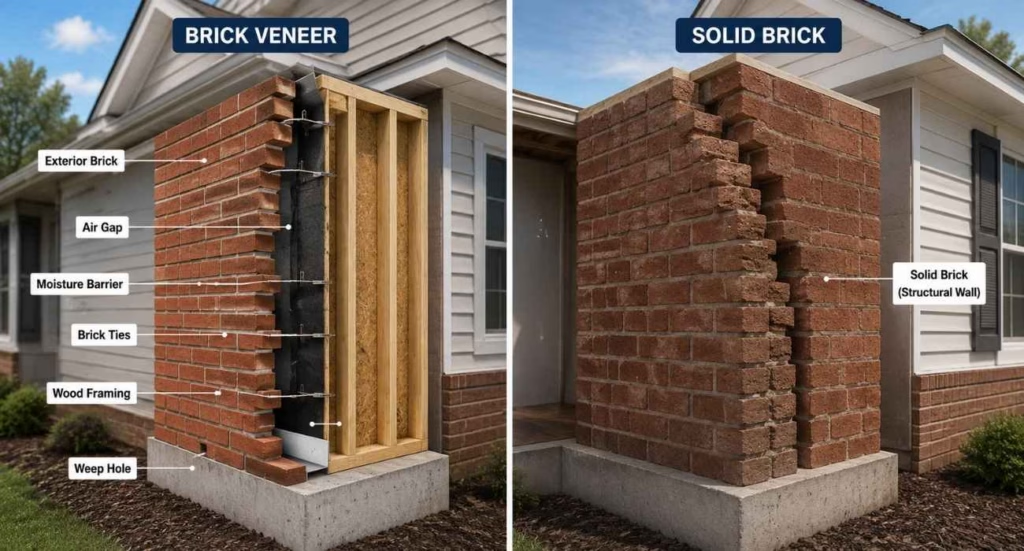
Although they may look similar from the outside, brick veneer and solid brick construction are built very differently. Understanding these differences helps homeowners choose the right option for new construction, remodeling projects, or exterior renovations.
| Feature | Brick Veneer | Solid Brick |
|---|---|---|
| Structural Support | Non-structural exterior cladding | Structural wall system |
| Weight | Lighter | Much heavier |
| Construction Cost | Generally lower | Higher |
| Installation | Faster | More labor-intensive |
| Moisture Control | Air gap and drainage system | Relies on wall thickness and mortar |
| Energy Efficiency | Depends on insulated backing wall | Thermal mass benefits |
| Common Use | Modern homes and commercial buildings | Older homes and historic buildings |
For most modern homes, brick veneer provides the appearance of traditional masonry while reducing construction costs and allowing better insulation within the wall system.
Common Brick Veneer Problems
Even a well-built masonry exterior can develop problems over time due to weather exposure, moisture, and natural structural movement. Identifying these issues early helps prevent more extensive repairs and protects the wall system.
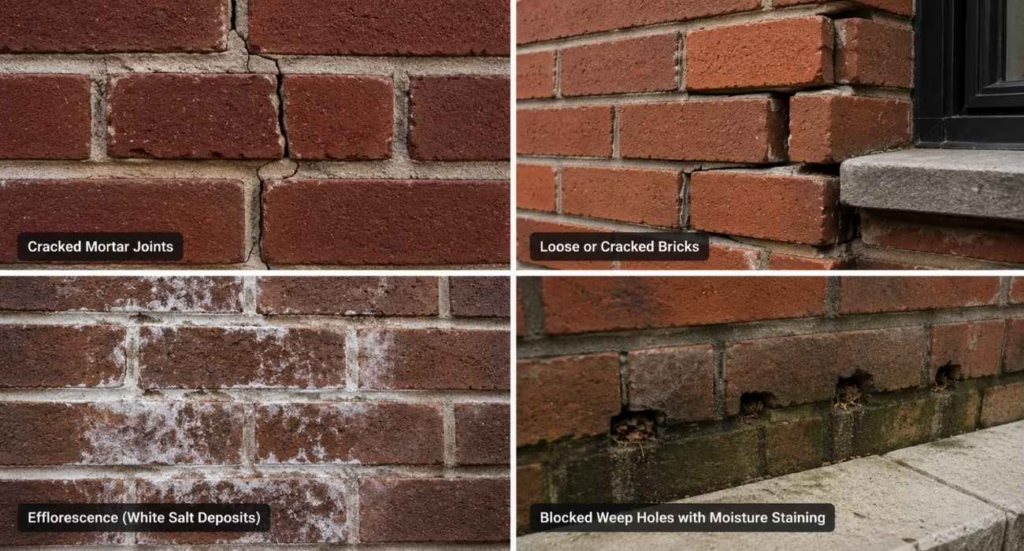
Cracked Mortar Joints
Changing temperatures can cause mortar joints to expand and contract, eventually leading to cracks. Prompt repointing helps prevent moisture intrusion and extends the life of the masonry.
Loose or Cracked Bricks
Loose or damaged bricks often result from deteriorated mortar, settlement, or repeated freeze-thaw cycles. Early repairs help maintain structural stability and prevent additional damage.
Bulging or Bowing Walls
A brick veneer wall should remain straight and securely anchored. Bulging sections may indicate failed brick ties, trapped moisture, or structural movement and should be inspected by a masonry professional.
Efflorescence
Efflorescence appears as a white powdery residue on brick surfaces when moisture carries mineral salts through the masonry. Persistent staining may indicate an underlying moisture problem.
Blocked Weep Holes
Weep holes allow water to drain from behind the exterior masonry. When blocked by debris or mortar, moisture can become trapped inside the wall cavity, increasing the risk of long-term deterioration.
How Brick Veneer Is Installed
Proper installation is essential for long-lasting performance. Every layer must work together to support the masonry while managing moisture effectively.
The installation process typically includes:
- Preparing the foundation or brick ledge.
- Installing the structural backing wall.
- Applying a weather-resistant moisture barrier.
- Installing flashing around openings and at the base of the wall.
- Securing brick ties to the structural wall.
- Laying bricks with properly spaced mortar joints.
- Maintaining a drainage cavity behind the masonry.
- Installing weep holes for moisture drainage.
- Cleaning the completed masonry surface.
- Performing a final inspection to verify alignment and workmanship.
Professional installation helps reduce the likelihood of moisture intrusion and premature masonry deterioration.
Brick Veneer Cost
The cost of installing brick veneer varies depending on the size of the project, brick type, labor requirements, and site accessibility.
Average Costs
| Project | Estimated Cost |
|---|---|
| Traditional Brick Veneer | $15–$30 per sq. ft. |
| Thin Brick Veneer | $8–$20 per sq. ft. |
| Brick Veneer Panels | $10–$25 per sq. ft. |
| Brick Veneer Repair | $500–$5,000+ |
| Mortar Repointing | $8–$20 per sq. ft. |
These estimates are general ranges. Actual pricing depends on project complexity, material selection, and local labor rates.
How to Maintain Brick Veneer
Routine maintenance helps preserve the appearance and durability of masonry while reducing the likelihood of expensive repairs.
Consider the following maintenance practices:
- Inspect exterior walls annually.
- Repair cracked mortar promptly.
- Keep weep holes open and unobstructed.
- Remove vegetation growing against masonry.
- Clean brick using masonry-safe cleaning products.
- Repair damaged flashing when necessary.
- Check for signs of water intrusion after heavy storms.
- Schedule professional masonry inspections every few years.
Small maintenance tasks performed regularly can significantly extend the lifespan of the wall.
Frequently Asked Questions
What is the difference between brick veneer and solid brick?
Brick veneer is a non-structural exterior cladding attached to a structural wall, while solid brick construction uses brick as the building’s structural support. Brick veneer offers a similar appearance with lower construction costs and modern moisture management.
How long does a brick veneer wall last?
A professionally installed brick veneer wall can last 50 to 100 years or longer when properly maintained. Regular inspections, mortar repairs, and moisture management help maximize its lifespan.
Is brick veneer a good choice for exterior walls?
Yes. Brick veneer provides excellent durability, weather resistance, curb appeal, and low maintenance, making it one of the most popular exterior cladding systems for residential and commercial buildings.
Can a brick veneer wall be repaired instead of replaced?
In many cases, yes. Damaged mortar joints, cracked bricks, loose sections, and minor moisture problems can often be repaired without replacing the entire wall. A professional inspection will determine the best solution.
Does brick veneer increase home value?
A well-maintained brick exterior can improve curb appeal and may increase resale value. Buyers often appreciate the durability, classic appearance, and relatively low maintenance of masonry exteriors.
What causes brick veneer to crack?
Common causes include foundation settlement, moisture intrusion, freeze-thaw cycles, deteriorated mortar joints, failed brick ties, and natural structural movement.
Does brick veneer require waterproofing?
Although brick is naturally durable, it is not completely waterproof. Proper flashing, weep holes, moisture barriers, and professional masonry waterproofing help protect the wall from water intrusion.
Is brick veneer more affordable than solid brick?
Generally, yes. Brick veneer uses fewer materials and requires less structural support, making it a more cost-effective option while still delivering the appearance of traditional masonry.
Can brick veneer be installed over existing walls?
Yes. In some remodeling projects, thin brick veneer can be installed over properly prepared surfaces, depending on the condition of the existing wall and the installation system being used.
How do I know if my brick veneer needs repair?
Signs include cracked mortar joints, loose bricks, bulging walls, water stains, efflorescence, missing weep holes, or visible gaps around windows and doors. Addressing these issues early helps prevent more extensive masonry damage.
Professional Brick Veneer Services by HTCR Corp
Whether you’re planning a new installation, repairing damaged masonry, or restoring the exterior of an existing property, professional workmanship is essential for long-term performance.
At HTCR Corp, we provide expert masonry solutions for residential and commercial properties throughout New York City. Our experienced team specializes in brick repair, brick replacement, mortar repointing, façade restoration, waterproofing, and exterior masonry repairs using proven techniques and quality materials.
Every project begins with a thorough inspection to identify the source of the problem and recommend the most effective solution. Our goal is to restore the strength, appearance, and durability of your masonry while protecting your property from future moisture damage.
Conclusion
Brick veneer remains one of the most practical and attractive exterior wall systems available today. It combines the timeless appearance of traditional brick with modern construction methods that improve moisture management, energy efficiency, and long-term durability.
Understanding how these wall systems are built, recognizing early signs of damage, and performing regular maintenance can help homeowners protect their investment for decades. If your property requires masonry repairs, restoration, or professional exterior improvements, working with an experienced contractor ensures the job is completed safely, correctly, and built to last.
Contact US
Website: www.htcrcorp.com/
Phone: 718-510-6000
Serving: Manhattan, Brooklyn, Queens, The Bronx, Westchester County, and Long Island.
Address: 201 Bay 43rd St 2nd FL Brooklyn, NY 11214