
NYC DCA 2006980-DCA · EPA NAT-F215455-1
Basement Waterproofing Services in NYC
Interior and exterior basement waterproofing, foundation crack repair, and crawl space encapsulation that keep homes dry and protected across Manhattan, Brooklyn, Queens, the Bronx & Staten Island.
—Brooklyn's Trusted Waterproofing Contractor
Basement Waterproofing Built to Keep Homes Dry
Hi Tech Contracting & Restoration Corp is your trusted basement waterproofing contractor in NYC. Our experienced team provides interior and exterior basement waterproofing, foundation crack repair, and crawl space encapsulation to protect your home from leaks and water damage.
We proudly serve Manhattan, Brooklyn, Queens, the Bronx, Staten Island, New Jersey, and Long Island. If you’re looking to safeguard your property and extend its life, contact us today for reliable waterproofing services you can count on.
718-510-6000
Call Us For Instant Inquiry
Request a Free Estimate
—Our Basement Waterproofing Services
Basement Waterproofing Services We Provide
Four solutions covering water intrusion from every angle — inside, outside, at the cracks, and below the floor.
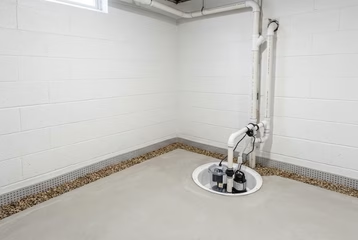
Interior Basement Waterproofing
Sump pumps, drainage systems, and sealants that manage water intrusion from inside, preventing flooding, mold, and structural damage.
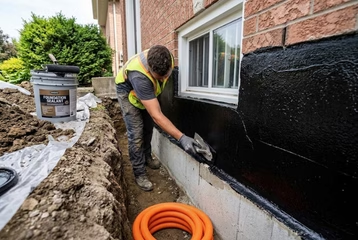
Exterior Basement Waterproofing
High-quality membranes, proper drainage, and soil grading applied outside the foundation to stop leaks and erosion before they start.
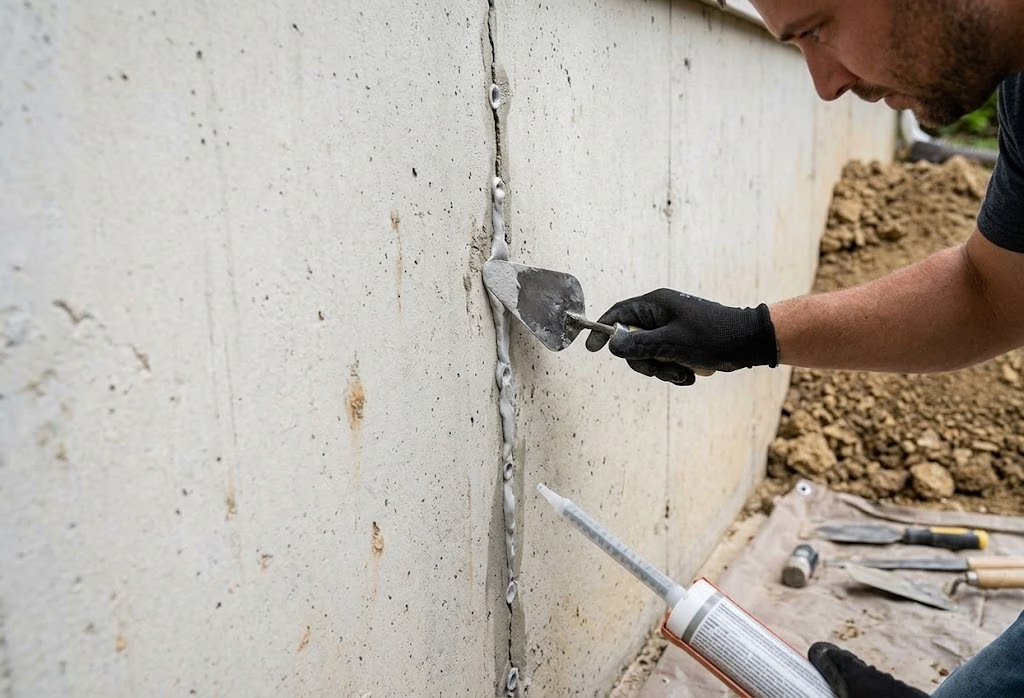
Foundation Crack Repair
Durable sealants and reinforcement methods tailored to your foundation type, restoring strength and preventing leaks.

Crawl Space Waterproofing
Vapor barriers, ventilation, and moisture control that eliminate standing water and prevent mold beneath the home.
— A Closer Look
Dry From the Inside Out
Two ways we stop basement water intrusion, and how each one works.
—Interior System
Interior Basement Waterproofing
Interior basement waterproofing keeps a basement dry and safe by managing water that’s already found its way in. We install sump pumps, interior drainage channels, and sealants that direct water away from living space, preventing flooding, mold growth, and structural damage — so the basement stays clean, usable, and protected year-round.
—Exterior System
Exterior Basement Waterproofing
Exterior basement waterproofing stops water before it ever reaches the home. We apply high-quality membranes, install proper drainage, and grade the soil around the foundation to prevent leaks and erosion at the source — protecting structural integrity, cutting long-term maintenance costs, and keeping basements dry even in heavy rainfall.
—Related Services
Need Waterproofing Somewhere Else?
Basement waterproofing covers below-grade spaces — see our other waterproofing services.
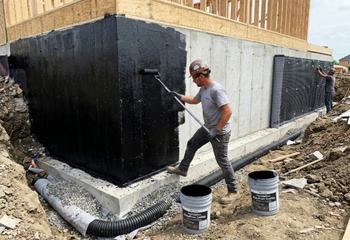
Foundation Waterproofing
A focused look at protecting foundation walls above and below grade.
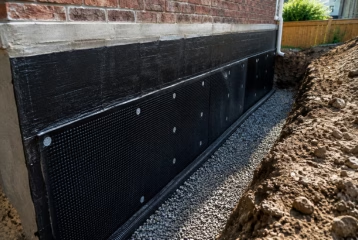
Exterior Waterproofing
Membranes and coatings for foundations, brick walls, balconies, and windows.
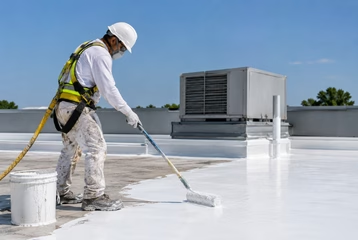
Roof Waterproofing
Membranes and coatings that stop leaks at the roof deck before they reach the interior.
— Why Choose Us
Why Choose HTCR for Basement Waterproofing
A dry basement comes down to matching the right system — interior, exterior, or both — to the actual source of the water.
Interior & Exterior Expertise
We diagnose the water source and recommend the right system, not a one-size-fits-all fix.
Full Lifecycle Support
Inspection, waterproofing, crack repair, and maintenance handled by the same crew over time.
Licensed & Insured
NYC DCA licensed and EPA certified, protecting your property on every job.
24/7 Emergency Response
Active flooding and leaks handled on a priority basis to limit damage fast.
12+ Years Experience
A proven track record across Manhattan, Brooklyn, Queens, the Bronx & Staten Island.
Detailed Estimates
Free inspection with a written, itemized quote before any work begins.
— Our Process
From Inspection to Dry Basement
Five stages, always in this order — diagnosing the actual water source is what determines whether the fix lasts.
Free Inspection
We assess the basement, foundation, and crawl space to find the water source.
Written Estimate
An itemized, no-obligation written project quote — usually same week.
Prep & Excavation
Interior surfaces or exterior soil prepared for the chosen waterproofing system.
Install & Seal
Sump pumps, drainage, membranes, or crack repair installed for a dry result.
Final Walkthrough
Inspection and sign-off so you see the results before we call it done.
— Questions
FAQs — Basement Waterproofing NYC
Basement waterproofing is a set of interior and exterior methods — sump pumps, drainage systems, membranes, and sealants — used to keep water out of a basement or below-grade space. Interior systems manage water that gets in; exterior systems stop it from reaching the foundation wall in the first place.
Exterior waterproofing addresses the source of the problem and is best when a foundation is being excavated anyway, while interior waterproofing (sump pumps, drainage channels, sealants) is faster and less invasive for an already-finished property. Many basements benefit from a combination of both, depending on the severity of water intrusion.
Hairline cracks under 1/8 inch that aren’t leaking are usually cosmetic, but cracks that are widening, leaking, or running horizontally are structural warning signs that need professional repair. We inspect the crack pattern and foundation type before recommending a sealant or reinforcement method.
A damp crawl space usually means groundwater or humidity is getting in through exposed soil or gaps in the foundation, with no vapor barrier to stop it. Left untreated, it harms indoor air quality and can weaken the structure above, which is why vapor barriers and moisture control are standard parts of crawl space waterproofing.
Basement waterproofing cost varies widely based on whether the work is interior or exterior, the size of the basement, and the extent of existing damage — interior sealant and drainage work is generally more affordable than full exterior excavation and membrane installation. We provide a free inspection and written estimate so you know the exact cost before work begins.