When people hear the term brick and mortar meaning, they often think of traditional buildings made with bricks, cement, and strong physical materials. In the construction industry, this term is very important because it represents real, permanent structures like homes, offices, stores, and commercial buildings.
Unlike online businesses or temporary setups, brick and mortar construction focuses on physical buildings that people can use for living, working, shopping, and business operations.
In this guide, we will explain the brick and mortar meaning, why it matters in construction, its benefits, common uses, and why many property owners still prefer this type of building today.
What Is the Brick and Mortar Meaning?
The brick and mortar meaning refers to a physical building or business location made using traditional construction materials such as bricks, concrete, cement, stone, steel, and wood.
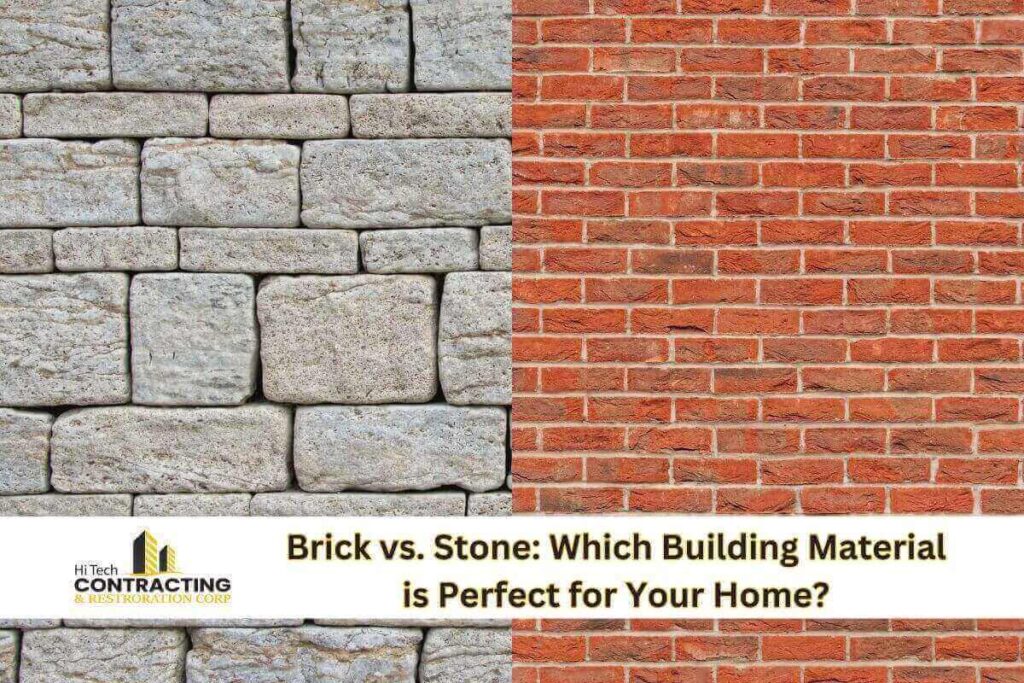
The term originally came from actual brick walls joined together with mortar. Mortar is the material used to hold bricks in place.
Today, the phrase is also used to describe businesses that operate from a real physical location instead of only online.
For example:
- A retail shop in a building is a brick and mortar business
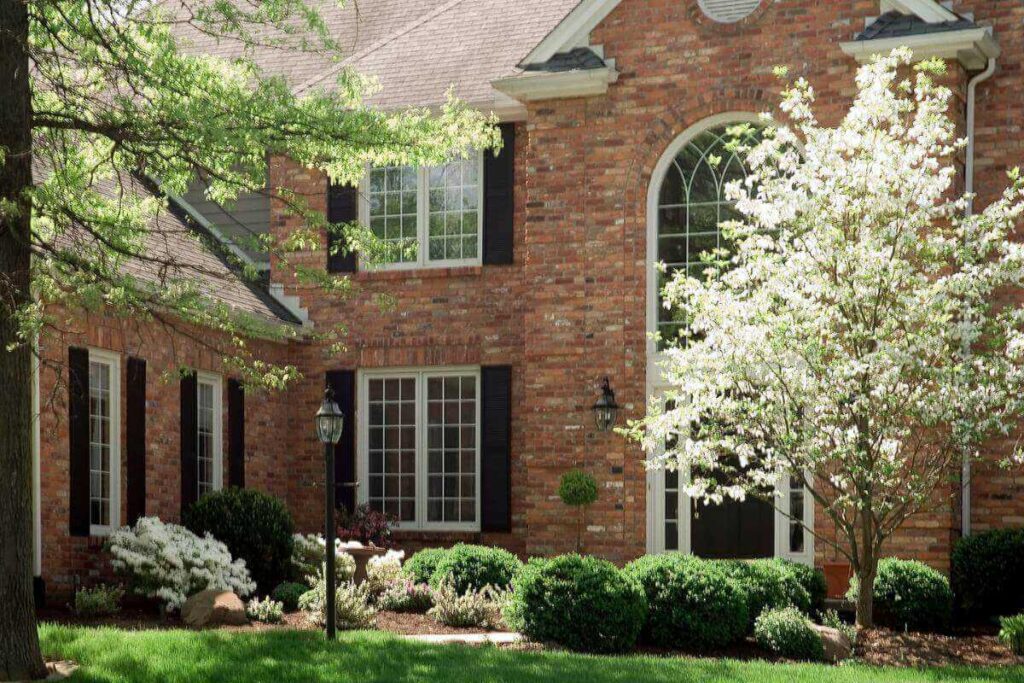
- A family house is a brick and mortar property
- A shopping plaza is a brick and mortar commercial structure
In construction, it mainly refers to strong, permanent buildings.

Why Brick and Mortar Construction Is Important
Brick and mortar buildings provide safety, long-term value, and durability. These structures are built to last for many years.
People trust physical buildings because they offer:
- Better security
- Strong weather resistance
- Higher property value
- Long-term investment benefits
- Professional business presence
This is why many homeowners and business owners choose traditional construction over temporary alternatives.
Common Materials Used in Brick and Mortar Construction
Even though the name says brick and mortar, modern construction uses many strong materials.
1. Bricks
Bricks are one of the oldest and most trusted construction materials. They are strong, fire-resistant, and long-lasting.
They are commonly used for:
- House walls
- Boundary walls
- Commercial buildings
- Walkways and pavements
2. Mortar
Mortar is the mixture that binds bricks together. It usually contains:
- Cement
- Sand
- Water
- Lime (sometimes)
Good mortar improves the strength and life of the building.
3. Concrete
Concrete is widely used for foundations, floors, roofs, and support structures.
It provides excellent durability and can handle heavy loads.
4. Steel
Steel is often used for structural support in large buildings.
It improves strength and helps buildings handle pressure and movement.
5. Stone
Stone is often used for luxury projects, foundations, and decorative finishes.
It gives buildings a strong and premium appearance.
Types of Brick and Mortar Buildings
The brick and mortar meaning applies to many types of properties.
Residential Buildings
These include:
- Houses
- Villas
- Apartments
- Townhouses
These structures are built for living purposes and require long-term strength and safety.
Commercial Buildings
Examples include:
- Offices
- Retail stores
- Restaurants
- Shopping centers
- Warehouses
Businesses often prefer brick and mortar locations because they create trust and customer confidence.
Industrial Buildings
Factories, production units, and storage facilities also use brick and mortar construction for safety and durability.
Institutional Buildings
Schools, hospitals, universities, and government offices are usually built using strong traditional construction methods.
Brick and Mortar vs. Online Businesses
Understanding the brick and mortar meaning also involves comparing it with online or e-commerce businesses:
| Feature | Brick and Mortar | Online Business |
| Customer Interaction | Face-to-face | Digital communication only |
| Location Requirement | Physical store necessary | No physical location needed |
| Operating Hours | Limited by store hours | 24/7 accessibility |
| Product Experience | Tangible, customers can touch/try | Virtual, relies on images/videos |
| Startup Costs | High (rent, staff, utilities) | Lower (website, digital marketing) |
| Local Presence | Strong community connection | Global reach |
This comparison helps businesses decide whether to operate brick and mortar, online, or a combination (omnichannel) strategy.
Modern Relevance of Brick and Mortar
Even with the rise of e-commerce giants like Amazon, brick and mortar businesses are still relevant. Many companies use a hybrid approach to combine the benefits of both worlds.
- Click-and-Collect – Customers order online and pick up in-store, blending convenience with physical presence.
- Showrooming – Stores act as showrooms where customers experience products before buying online.
- Brand Experience Centers – Physical locations offer immersive brand experiences that online stores cannot replicate.
This shows that understanding brick and mortar meaning is essential even in the digital age.
How Construction Companies Help
Professional construction companies make brick and mortar projects safer and more successful.
They help with:
- Project planning
- Material selection
- Structural design
- Masonry work
- Roofing
- Waterproofing
- Exterior finishes
- Safety compliance
Experienced contractors reduce costly mistakes and improve project quality.
This is why choosing the right construction company is very important.
Importance in Business Strategy
Brick and mortar businesses remain a key part of business strategy for several reasons:
- Trust and Credibility : Customers often trust businesses with a physical location more than online-only platforms.
- Customer Loyalty: Face-to-face service and personal interactions enhance loyalty and repeat business.
- Marketing Opportunities: Physical stores can use signage, window displays, and local events to attract customers.
- Local SEO Advantages: Having a physical address improves local search rankings for Google Maps and search results.
Challenges of Brick and Mortar Construction
Although brick and mortar buildings have many benefits, there are also some challenges.
Higher Initial Cost
Construction requires:
- Materials
- Labor
- Equipment
- Permits
- Land costs
This makes the starting investment higher.
Longer Construction Time
Building a physical structure takes time compared to setting up an online business or temporary structure.
Planning and approvals also add time.
Maintenance Costs
Buildings need regular maintenance such as:
- Roof repairs
- Waterproofing
- Masonry repairs
- Painting
- Structural inspections
Proper maintenance protects long-term value.
Is Brick and Mortar Still Worth It?
Yes, absolutely.
Even in a digital world, physical buildings remain essential.
People still need:
- Homes
- Offices
- Schools
- Hospitals
- Stores
- Restaurants
- Warehouses
Strong physical structures will always be valuable.
For both personal and business investments, brick and mortar properties offer long-term security and reliability.
Conclusion
Understanding the brick and mortar meaning helps property owners make better construction decisions.
It refers to strong, physical buildings made using traditional materials like bricks, mortar, concrete, and steel. These structures offer durability, safety, and long-term value.
Whether you are building a home, opening a business, or investing in commercial property, brick and mortar construction remains one of the best choices.
Working with a professional construction company ensures your project is built correctly, safely, and for lasting success.
A strong foundation always starts with the right building method—and brick and mortar continues to be the trusted standard.
Contact US
Website: www.htcrcorp.com/
Phone: 718-510-6000
Serving: Manhattan, Brooklyn, Queens, The Bronx, Westchester County, and Long Island.
Address: 201 Bay 43rd St 2nd FL Brooklyn, NY 11214