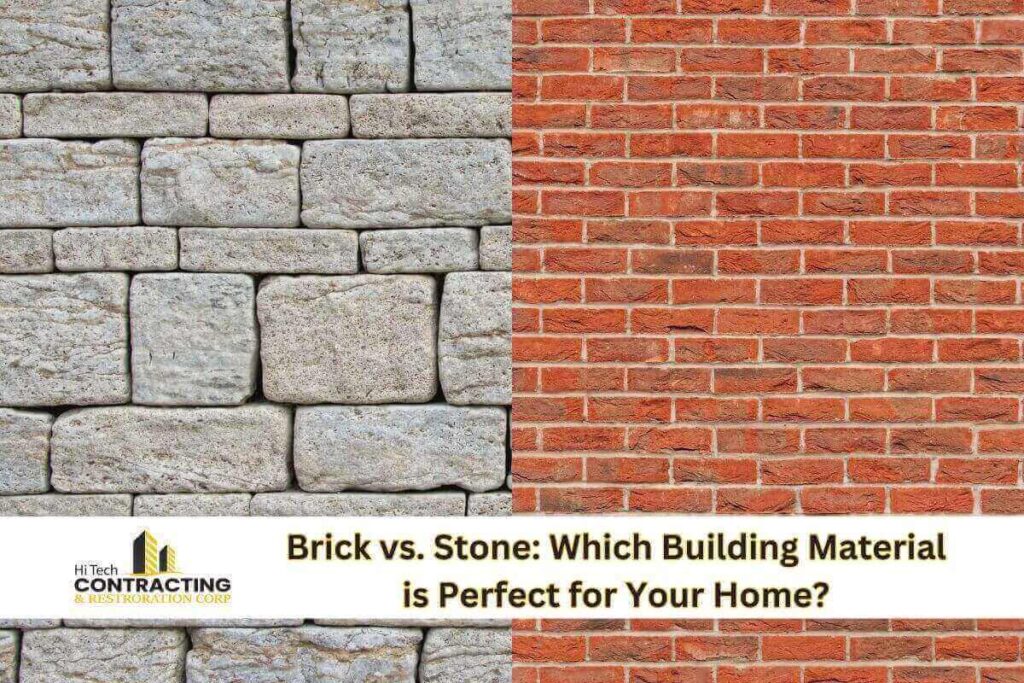
The brick color you choose has a lasting impact on your home’s overall appearance. Unlike paint, which can be changed every few years, bricks are designed to last for decades. That’s why selecting the right brick colors is one of the most important decisions when building a new home, renovating an exterior, or restoring an older property. The right brick color can complement your architectural style, improve curb appeal, and even increase your property’s market value. Whether you prefer a timeless red brick, a sleek grey finish, or a modern white exterior, understanding how different colors affect the look and feel of your home will help you make a confident decision.
This guide explores popular brick colors, factors to consider before making your choice, and practical design ideas that can transform the appearance of any residential or commercial property.
Why Brick Colors Matter More Than You Think
When people admire a beautiful home, one of the first things they notice is its exterior. Brick color plays a significant role in creating that first impression. It influences how large or welcoming a property appears and helps define its architectural character.
A carefully selected brick color can help you:
- Enhance curb appeal
- Complement your roof and windows
- Create a timeless exterior
- Increase resale appeal
- Reflect your personal design style
Since brick is a permanent exterior material, spending time choosing the right color is an investment that pays off for many years.
Understanding the Most Popular Brick Colors
Today’s homeowners have far more options than the traditional red brick. Modern manufacturing techniques have introduced a wide range of colours that suit different architectural styles and personal preferences. Below are some of the most popular brick colors used in residential and commercial construction.
Red Brick
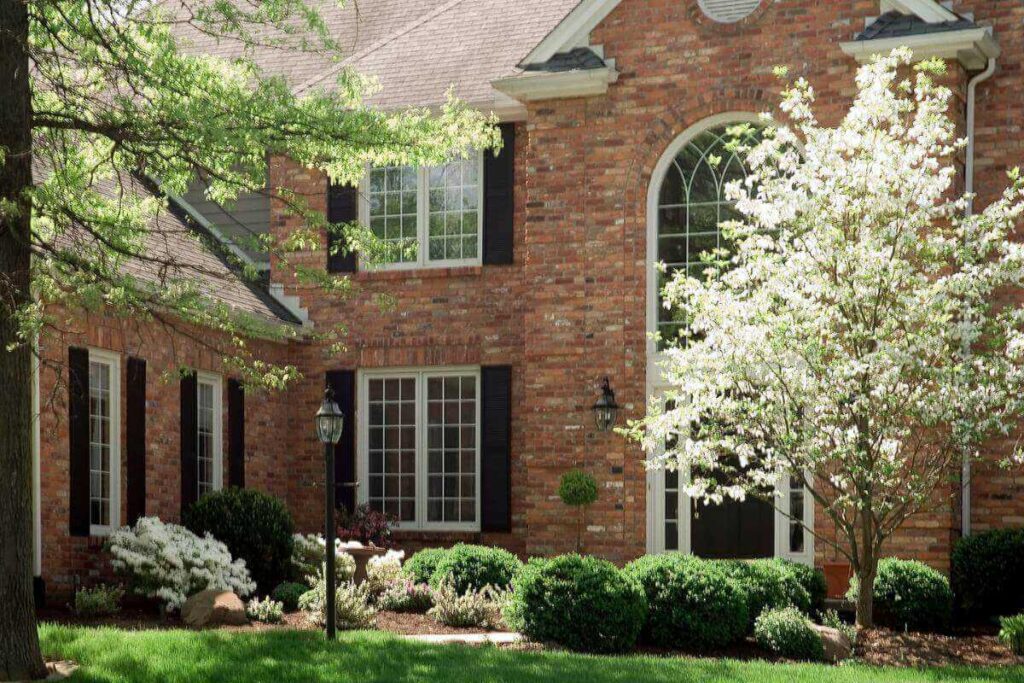
Red brick has remained one of the most popular choices for generations. Its classic appearance works well with a wide variety of home designs, from colonial houses to traditional suburban homes. Because of its warm tones, red brick pairs beautifully with white trim, black shutters, and neutral roofing materials. It also ages gracefully, making it a dependable long-term choice.
Red brick is ideal for homeowners who want:
- A timeless appearance
- Traditional architecture
- Strong resale appeal
- Low-maintenance exterior design
Brown Brick
Brown brick offers a natural and earthy appearance that blends well with outdoor surroundings. It creates a warm, welcoming feel and works particularly well on homes surrounded by mature trees or landscaped gardens. Lighter brown shades provide a soft, rustic look, while darker browns create a richer and more luxurious exterior.
Brown brick complements:
- Stone accents
- Wooden entry doors
- Bronze fixtures
- Natural landscaping
White Brick
White brick has become increasingly popular in modern home design. It creates a bright, clean appearance that suits farmhouse, coastal, and contemporary architecture. One of the biggest advantages of white brick is its ability to reflect sunlight, helping the exterior appear fresh and spacious.
White brick works especially well when combined with:
- Black-framed windows
- Dark roofing materials
- Natural wood accents
- Minimalist landscaping
Although white brick creates an elegant appearance, it may require more frequent cleaning to maintain its crisp finish.
Grey Brick
Grey brick has become a favourite choice for modern homes because of its sophisticated and versatile appearance. It provides a neutral backdrop that allows other design features, such as large windows or decorative lighting, to stand out. Light grey creates a soft contemporary look, while darker charcoal tones offer a bold and dramatic finish.
Grey brick pairs well with:
- Black trim
- White render
- Metal roofing
- Glass features
Its versatility makes it suitable for both residential and commercial buildings.
Black Brick
For homeowners looking to make a strong architectural statement, black brick delivers a sleek and luxurious appearance.
Black brick is commonly used on:
- Contemporary homes
- Luxury properties
- Modern townhouses
- Commercial developments
Because darker colours absorb more sunlight, they may appear warmer during hot weather. However, when balanced with lighter exterior features, black brick creates a striking and elegant design.
Buff and Cream Brick
Buff and cream brick colors provide a softer alternative to darker shades. These neutral tones create a bright and inviting appearance while maintaining a traditional character. Homes built with buff brick often feel larger and more open because lighter colours reflect natural light.
These shades pair beautifully with:
- Brown roofs
- Green landscaping
- Cream trim
- Natural stone details
They are particularly popular in suburban neighbourhoods where homeowners prefer subtle, timeless designs.
Factors to Consider Before Choosing Brick Colors
Selecting the perfect brick colour involves much more than choosing a shade you like. Every element of your home’s exterior should work together to create a balanced appearance.
Here are the most important factors to evaluate before making your final decision.
Roof Colour
Your roof and brick should complement one another rather than compete for attention. For example, a charcoal or black roof pairs beautifully with white, grey, or buff brick, while brown roofing materials often look best with red or earth-toned bricks.
Viewing brick and roofing samples together can help you visualise the finished result before construction begins.
Window Frames and Doors
Window frames, garage doors, and entry doors should coordinate with your chosen brick colour. Dark window frames create a modern contrast against lighter bricks, while timber finishes often enhance warmer brick tones.
Keeping these elements consistent creates a more polished exterior.
Landscaping
Your garden and surrounding landscape also influence how brick colours appear. Homes surrounded by greenery often look more inviting with warm earth tones, while modern landscapes featuring concrete pathways and minimalist planting complement cooler shades such as grey or charcoal.
Considering your outdoor environment helps create a cohesive overall design.
Architectural Style
Different architectural styles naturally suit different brick colours.
For example:
- Traditional homes often feature red or brown brick.
- Farmhouse designs frequently use white or cream brick.
- Contemporary homes commonly incorporate grey, black, or mixed-tone bricks.
- Mediterranean-style properties often look best with buff or sandy-coloured brick.
Matching the brick colour to your home’s architectural design helps create a timeless appearance rather than one that feels driven by short-term trends.
Local Climate
Climate can influence both the appearance and maintenance of brick. Lighter brick colors reflect more sunlight and may stay cooler in warmer regions, while darker bricks absorb more heat and can provide a bold visual contrast in cooler climates.
Additionally, homes in areas with frequent rain or dust should consider colours that naturally conceal dirt and weathering between routine cleanings.
Best Brick Colors for Different Home Styles
Every home has its own architectural character, and the right brick colors can enhance that style while creating a balanced and attractive exterior. Instead of following trends, it’s better to choose a brick colour that complements the design of your home and blends with other exterior elements.
Below are some of the best brick colour choices for different architectural styles.
Modern Homes
Modern homes often feature clean lines, large windows, and simple exterior finishes. Neutral brick colours work exceptionally well because they create a sleek and sophisticated appearance without overwhelming the design.
Popular choices include:
- Light grey
- Charcoal
- White
- Mixed grey blends
- Soft black
These colours pair beautifully with black window frames, metal roofing, and minimalist landscaping.
Traditional Homes
Traditional homes have remained popular for decades because of their timeless appearance. Red and brown brick continue to be the preferred choices for these properties, offering warmth and character that never go out of style.
Traditional brick homes often look best with:
- White trim
- Dark shutters
- Brick chimneys
- Neutral roofing colours
This classic combination creates an inviting exterior that appeals to homeowners and buyers alike.
Farmhouse Designs
Farmhouse architecture combines rustic charm with modern simplicity. White and cream brick have become signature choices for this style because they create a bright, welcoming exterior.
Natural wood accents such as timber columns, wooden front doors, and exposed beams complement these lighter brick tones beautifully. Black metal fixtures and dark roofing also provide an attractive contrast that enhances the farmhouse aesthetic.
Craftsman Homes
Craftsman homes are known for their detailed woodwork, covered porches, and natural materials. Earth-toned brick colours complement these design features and help create a warm, handcrafted appearance.
Common choices include:
- Brown brick
- Buff brick
- Sandstone shades
- Mixed earth-tone blends
These colours blend naturally with stone columns and wooden trim.
Contemporary Homes
Contemporary architecture often embraces bold contrasts and innovative design. Grey, charcoal, and black brick are increasingly used to create striking exterior finishes that emphasise clean geometry and modern materials.
Glass panels, steel railings, and flat roofs pair particularly well with darker brick colours, creating a sophisticated and luxurious appearance.
Brick Color Combinations That Never Go Out of Style
Choosing the right brick is only part of the design process. Your roof, trim, windows, and front door should all work together to create a cohesive exterior.
Here are some timeless combinations that continue to perform well across a wide range of home styles.
| Brick Color | Roof Color | Trim Color | Front Door |
| Red Brick | Charcoal Grey | White | Black |
| White Brick | Black | Black | Natural Wood |
| Grey Brick | Dark Grey | White | Black |
| Brown Brick | Brown | Cream | Walnut |
| Buff Brick | Dark Brown | White | Bronze |
| Charcoal Brick | Black | Light Grey | Wood Finish |
| Mixed Brick Blend | Grey | White | Dark Blue |
| Cream Brick | Brown | Dark Bronze | Mahogany |
These combinations create a balanced appearance while allowing each exterior element to complement the others rather than compete for attention.
How Natural Light Changes Brick Colors
One important factor many homeowners overlook is how lighting affects the appearance of brick. A colour sample viewed indoors can look completely different once installed on the exterior of a home.
Natural sunlight changes throughout the day, causing bricks to appear lighter, darker, warmer, or cooler depending on the conditions.
Morning Light
Morning sunlight is generally softer and cooler, making brick colours appear slightly lighter. Grey and white bricks often look brighter during this time, while red bricks develop a softer tone.
Midday Sun
Under direct midday sunlight, brick colours appear closest to their true shade. This is usually the best time to evaluate brick samples before making a final decision.
Evening Light
As the sun begins to set, warmer tones become more noticeable. Red, brown, and buff bricks often appear richer and more vibrant, while darker bricks create stronger visual contrast.
Rainy Weather
Rain temporarily darkens brick surfaces, making colours appear deeper and more saturated. Once the bricks dry, they gradually return to their original appearance.
Because lighting changes throughout the day, it’s always recommended to view brick samples under different weather conditions before making your final selection.
Brick Colors That Can Increase Property Value
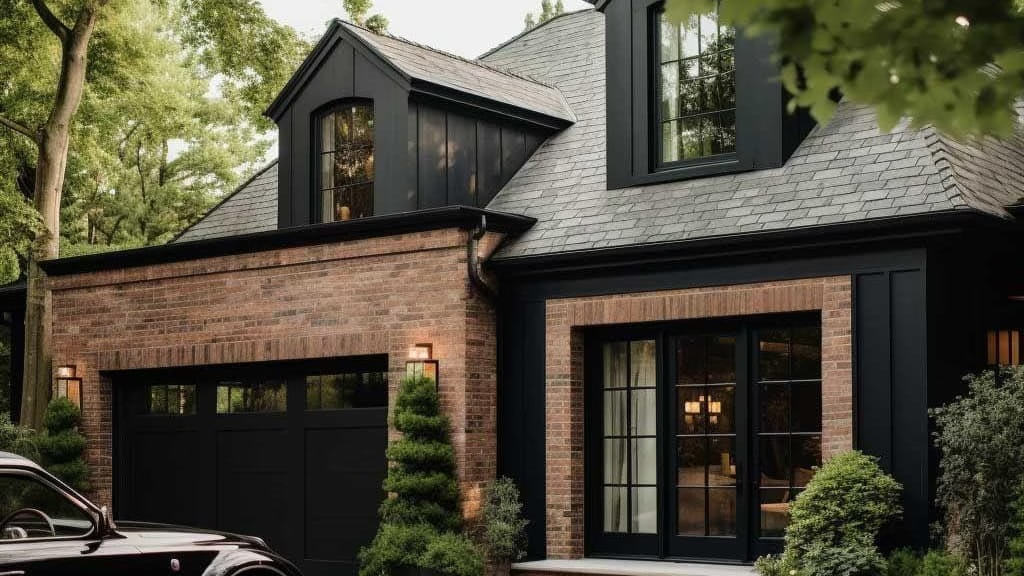
The exterior of your home plays a significant role in attracting potential buyers. While personal preference is important, certain brick colors tend to have broader market appeal because they suit a wide variety of architectural styles.
Neutral and timeless colours often provide the best long-term value. They remain attractive even as design trends evolve and are easier to coordinate with roofing, landscaping, and exterior finishes.
Some of the most desirable brick colours include:
- Soft red brick
- Light grey brick
- Cream brick
- Warm brown brick
- White brick
- Mixed neutral brick blends
These colours create a balanced appearance that appeals to many homeowners and can make a property more attractive when it comes time to sell.
Common Mistakes to Avoid When Choosing Brick Colors
One of the biggest mistakes is choosing a brick colour simply because it is currently fashionable. Design trends change quickly, but brick is intended to last for decades. A timeless colour often provides better long-term satisfaction than following short-lived trends.
Another common mistake is failing to consider other exterior materials. Brick should complement your roof, windows, garage door, gutters, and landscaping rather than compete with them. Looking at these elements together helps create a cohesive design.
Homeowners should also avoid making a decision based on a single small sample. Viewing larger samples outdoors in different lighting conditions provides a much more accurate representation of how the finished home will lookFinally, many people underestimate future maintenance. While every brick requires occasional cleaning, lighter colours may show dirt more quickly, whereas darker bricks can highlight dust, pollen, or mineral deposits depending on the local environment.
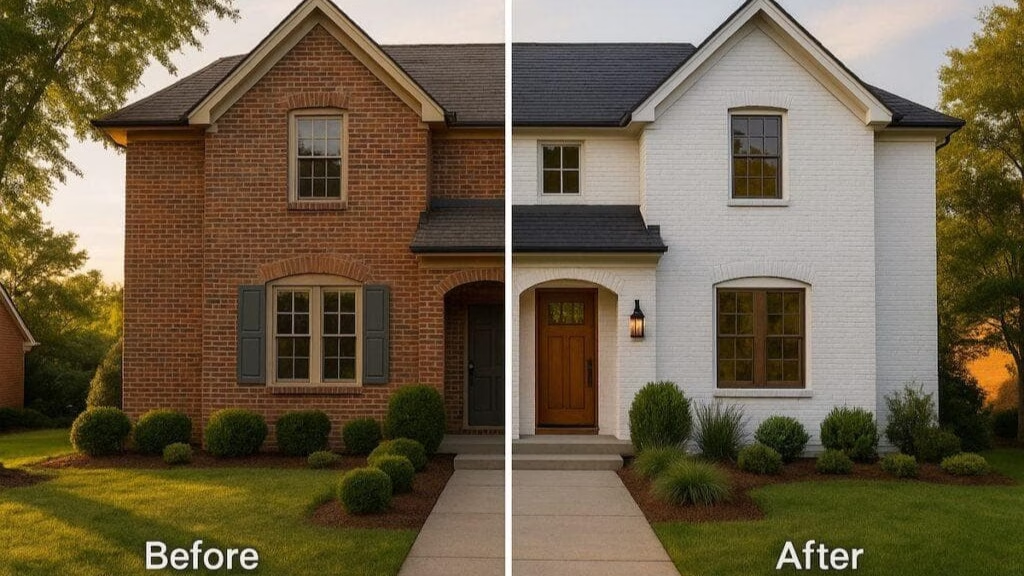
Natural Brick vs. Painted Brick: Which Is Better?
The right choice depends on your design preferences, the condition of your existing brickwork, and how much maintenance you’re willing to undertake.
| Feature | Natural Brick | Painted Brick |
| Appearance | Classic and authentic | Modern and customised |
| Maintenance | Low | Moderate |
| Longevity | Excellent | Requires repainting over time |
| Colour Options | Factory-produced colours | Almost unlimited paint colours |
| Resale Appeal | Timeless | Depends on buyer preference |
If your existing brick is structurally sound and already complements your home’s design, leaving it natural is often the better long-term investment. However, painted brick can be an excellent solution for updating an older exterior without replacing the masonry.
How to Keep Brick Colors Looking Their Best
No matter which brick colors you choose, proper maintenance helps preserve their appearance for many years. Brick is one of the most durable exterior materials available, but regular care prevents dirt, stains, and moisture from affecting its finish.
Simple maintenance performed throughout the year can make a noticeable difference in how your home’s exterior looks.
Clean Brick Surfaces Regularly
Over time, dust, pollen, pollution, and organic debris can accumulate on brick surfaces.
Periodic cleaning helps restore the brick’s natural appearance while preventing stubborn stains from developing. Gentle washing with appropriate cleaning products is usually sufficient for routine maintenance.
Avoid using harsh chemicals or excessive pressure, as these may damage mortar joints or affect the brick’s finish
Inspect Mortar Joints
While bricks themselves are extremely durable, mortar joints gradually wear over time due to weather exposure.
Regular inspections help identify:
- Small cracks
- Missing mortar
- Water penetration
- Loose joints
Repairing damaged mortar promptly helps protect both the appearance and structural integrity of the brickwork.
Watch for Efflorescence
Efflorescence appears as a white, powdery residue on brick surfaces. It occurs when moisture carries natural salts to the surface as it evaporates.
Although it usually isn’t a structural concern, persistent efflorescence may indicate underlying moisture issues that should be investigated.
Removing the deposits early helps maintain the clean appearance of your brick exterior.
Keep Gutters and Downspouts Clear
Overflowing gutters can direct excessive water onto brick walls, leading to staining and increased moisture exposure.
Regular gutter maintenance helps:
- Improve drainage
- Reduce water staining
- Protect mortar joints
- Minimise long-term moisture damage
Good water management plays an important role in preserving your home’s exterior.
Questions to Ask Before Choosing Brick Colors
Selecting brick is a decision that will influence your home’s appearance for decades. Before making a final choice, it’s helpful to ask yourself a few practical questions.
Instead of focusing only on today’s design trends, consider how the colour will perform over the long term.
Ask yourself:
- Will this brick complement my roof colour?
- Does it suit my home’s architectural style?
- Will it match future landscaping plans?
- Is the colour likely to remain attractive in ten or twenty years?
- Does it fit the character of my neighbourhood?
- Will it be easy to maintain?
- Does it work well with my windows, trim, and entry door?
Answering these questions helps ensure your investment remains visually appealing well into the future.
Brick Color Trends for 2026
Home design continues to evolve, but many of today’s most popular brick trends focus on natural, timeless colours rather than bold or temporary fashion statements.
Neutral shades remain highly desirable because they blend easily with a wide variety of architectural styles and exterior finishes.
Some of the most popular brick colors for 2026 include:
- Warm grey
- Soft cream
- Charcoal
- Mixed earth-tone blends
- Sandstone beige
- Whitewashed brick
- Light taupe
- Red and brown blended brick
Many new homes are also combining two complementary brick tones to create added depth and visual interest without making the exterior appear overly busy.
Rather than choosing a colour simply because it’s trending, homeowners are increasingly selecting brick colours that balance modern design with long-term appeal.
Why Homeowners Trust HTCR Corp
Choosing the right brick colour is only one part of creating an attractive exterior. Proper installation, restoration, and maintenance are equally important for ensuring your investment lasts for decades.
At HTCR Corp, we provide professional exterior renovation and masonry services designed to improve both the appearance and durability of residential and commercial properties. Whether you’re restoring existing brickwork or planning a new exterior project, our experienced team delivers quality workmanship tailored to your property’s style and needs.
Our masonry and exterior services include:
- Brick installation
- Brick repair and restoration
- Masonry services
- Tuckpointing
- Exterior waterproofing
- Foundation repair
- Facade restoration
- Exterior renovation projects
We work closely with property owners to create durable, attractive exteriors that enhance curb appeal and stand the test of time.
Final Thoughts
Choosing the right brick colors is about much more than appearance. The colour you select influences your home’s architectural character, maintenance requirements, and long-term value. Because brick is a permanent building material, taking the time to evaluate different colours, lighting conditions, and exterior combinations is well worth the effort.
Whether you prefer the timeless beauty of traditional red brick, the elegance of grey tones, or the clean look of white brick, selecting a colour that complements your home’s overall design will help create an exterior you’ll enjoy for years to come.
Transform Your Home’s Exterior with HTCR Corp
If you’re planning a new build, renovating an existing property, or restoring ageing brickwork, HTCR Corp is here to help.
Our experienced team provides professional masonry and exterior renovation services, helping homeowners choose materials and finishes that combine lasting durability with exceptional curb appeal.
Contact HTCR Corp today to discuss your project and discover how the right brick colour and expert craftsmanship can enhance the beauty and value of your property.
Contact US
Website: www.htcrcorp.com/
Phone: 718-510-6000
Serving: Manhattan, Brooklyn, Queens, The Bronx, Westchester County, and Long Island.
Address: 201 Bay 43rd St 2nd FL Brooklyn, NY 11214