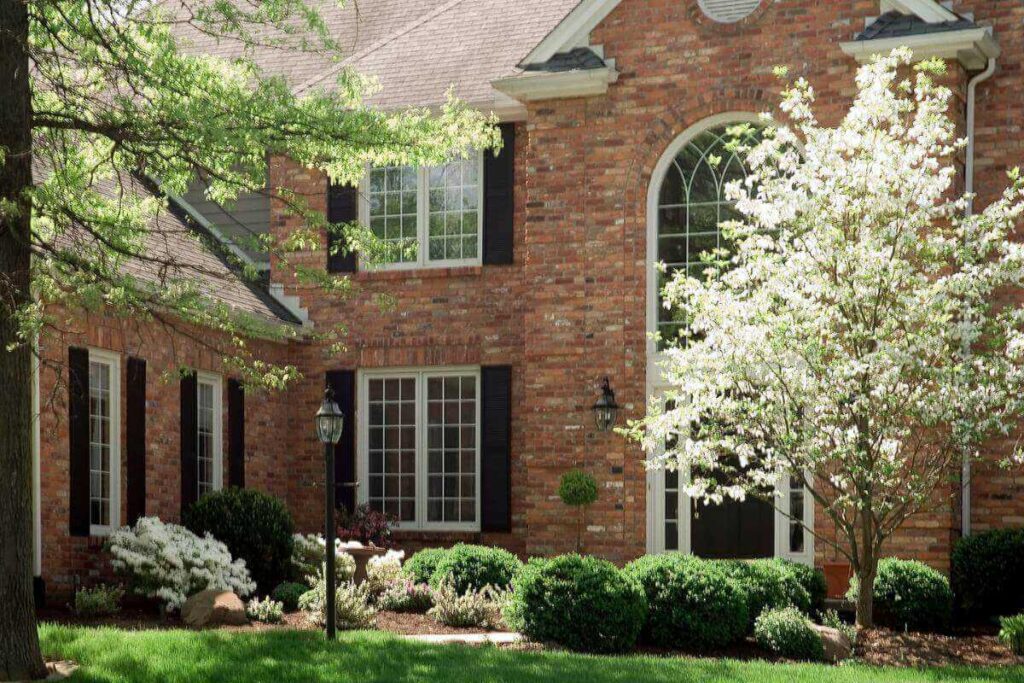
The exterior of your home plays an important role in protecting your property while creating the first impression for visitors. Choosing the right siding material can improve curb appeal, energy efficiency, and long-term durability.
Cedar siding has remained one of the most popular choices for homeowners who want a natural, attractive, and durable exterior finish. Its warm wood appearance gives homes a timeless look while providing reliable protection against different weather conditions.
Whether you are building a new home or replacing old siding, cedar siding offers a combination of beauty and performance that many modern materials try to replicate.
In this guide, we’ll explore everything you need to know about cedar siding, including:
- What cedar siding is
- Different types of cedar siding
- Benefits and drawbacks
- Installation considerations
- Maintenance requirements
- Cost factors
- How cedar compares with other siding materials
What Is Cedar Siding?
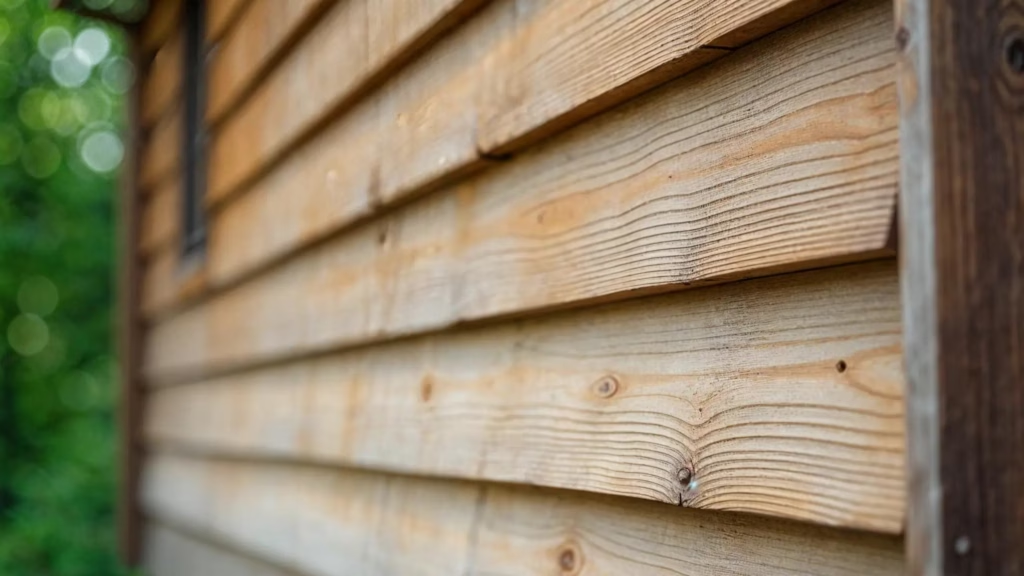
Cedar siding is a type of exterior wall covering made from natural cedar wood. It is installed on homes and buildings to protect the structure from moisture, wind, and temperature changes while adding a natural appearance.
Cedar is naturally resistant to decay and insects, which makes it a popular wood choice for exterior applications.
Unlike synthetic siding materials, cedar develops a unique character over time. With proper care, it can maintain its beauty and performance for decades.
Why Choose Cedar Siding?
Many homeowners choose cedar siding because it offers a balance between appearance, durability, and environmental benefits.
Main Advantages:
- Natural wood appearance
- Excellent insulation properties
- Resistant to moisture and insects
- Long-lasting when maintained properly
- Increases curb appeal
- Available in many styles and finishes
Cedar siding works well with many architectural designs, including traditional homes, modern houses, cottages, and luxury properties.
Types of Cedar Siding
Cedar siding is available in several styles. Each option provides a different appearance and level of protection.
1. Cedar Shingle Siding
Cedar shingles are small pieces of wood installed individually to create a textured exterior.
Features:
- Classic appearance
- Excellent weather protection
- Creates a unique architectural style
- Common on coastal and traditional homes
Cedar shingles are often chosen for homeowners who want a handcrafted, premium look.
2. Cedar Shake Siding
Cedar shakes are thicker and more rustic compared to shingles. They provide a natural, textured appearance.
Benefits:
- Adds character to the home
- Creates a high-end exterior look
- Durable against weather conditions
- Works well with cottage-style homes
Shake siding is often used as an accent feature along with other siding materials.
3. Cedar Clapboard Siding
Clapboard siding consists of long horizontal boards installed in overlapping rows.
Advantages:
- Traditional appearance
- Good water protection
- Easy to repair
- Suitable for many home styles
This is one of the most common cedar siding styles in residential construction.
4. Cedar Board and Batten Siding
This style uses wide boards with narrow wooden strips covering the gaps between them.
Best For:
- Modern farmhouse homes
- Rustic designs
- Contemporary properties
Board and batten cedar siding creates strong vertical lines and a distinctive exterior appearance.
Benefits of Cedar Siding
1. Natural Beauty and Curb Appeal
One of the biggest reasons homeowners choose cedar siding is its appearance.
Cedar provides:
- Warm natural tones
- Unique wood grain patterns
- A premium exterior finish
- Timeless architectural appeal
Unlike manufactured materials, every cedar board has its own natural characteristics, making each home look unique.
2. Excellent Durability
Cedar is naturally strong and can handle outdoor conditions when properly maintained.
It offers resistance against:
- Moisture
- Rot
- Insects
- Temperature changes
- Weather exposure
With proper installation and regular maintenance, cedar siding can last 30 years or more.
3. Natural Insulation Properties
Wood naturally helps regulate indoor temperatures.
Cedar siding can improve:
- Energy efficiency
- Indoor comfort
- Temperature control
- Exterior wall protection
While siding alone does not replace insulation, cedar works together with your home’s insulation system to improve overall performance.
4. Environmentally Friendly Option
Cedar is a renewable building material when sourced responsibly.
Environmental benefits include:
- Natural material
- Renewable resource
- Lower manufacturing impact than some synthetic options
- Biodegradable at the end of its life
For homeowners looking for sustainable exterior options, cedar siding is an attractive choice.
5. Easy Customization
Cedar siding can be customized with different finishes and colors.
Homeowners can choose:
- Natural cedar stain
- Transparent finishes
- Painted finishes
- Weathered gray appearance
- Dark modern colors
This flexibility allows cedar to match almost any home design.
Cedar Siding for Brooklyn and NYC Homes
Cedar siding can be a great option for homes throughout Brooklyn and the surrounding New York City area.
It works well because it provides:
- Protection against seasonal weather changes
- A distinctive exterior appearance
- Improved insulation performance
- A premium look for residential properties
However, NYC homes require proper installation because moisture, humidity, and temperature changes can affect exterior materials.
Working with an experienced contractor ensures correct flashing, ventilation, and installation techniques.
Why Professional Cedar Siding Installation Matters
Although cedar siding is durable, installation quality plays a major role in its performance.
A professional installer ensures:
- Proper moisture protection
- Correct board spacing
- Secure fastening
- Proper ventilation
- Long-lasting results
Poor installation can lead to issues such as:
- Warping
- Water damage
- Premature deterioration
- Mold growth
HTCR Corp Cedar Siding Services
At Hi Tech Contracting & Restoration Corp (HTCR Corp), we help homeowners improve their property’s exterior with professional siding and restoration services throughout Brooklyn and NYC.
Our team focuses on:
- Cedar siding installation
- Siding repair
- Exterior restoration
- Home improvement projects
- Weather protection solutions
We combine quality materials with experienced workmanship to help homeowners achieve a durable and attractive exterior.
Cedar Siding Pros and Cons: Is It the Right Choice for Your Home?
Choosing the right siding material is an important decision because it affects your home’s appearance, protection, and maintenance needs.
While cedar siding offers natural beauty and excellent durability, it also requires more care compared to some modern siding materials.
Understanding the advantages and disadvantages can help you decide if cedar siding is the right option for your property.
Advantages of Cedar Siding
1. Beautiful Natural Appearance
Cedar siding is popular because of its unique wood appearance.
Unlike synthetic siding, cedar provides:
- Natural grain patterns
- Warm colors
- A premium exterior look
- A timeless design
It works well with many architectural styles, including:
- Traditional homes
- Modern homes
- Farmhouses
- Coastal properties
- Luxury residences
A well-maintained cedar exterior can significantly improve a home’s curb appeal.
2. Long-Lasting Performance
Cedar is naturally durable and performs well when properly installed and maintained.
A quality cedar siding system can last:
- 30–40 years with regular maintenance
- 50+ years with excellent care
Its natural properties help protect against:
- Moisture damage
- Insects
- Decay
- Outdoor exposure
Professional installation also plays a major role in maximizing cedar’s lifespan.
3. Strong Resistance to Weather
Homes face constant exposure to:
- Rain
- Snow
- Sunlight
- Wind
- Temperature changes
Cedar siding handles these conditions well because of its natural oils and structure.
Weather Benefits:
- Helps resist moisture
- Reduces cracking
- Performs well in changing temperatures
- Provides exterior protection
4. Improves Home Insulation
Wood siding provides natural insulating properties.
Cedar siding can help:
- Reduce heat transfer
- Improve indoor comfort
- Support energy efficiency
- Add another protective layer to exterior walls
For the best results, cedar siding should be combined with proper wall insulation.
5. Can Increase Home Value
Exterior appearance strongly influences a home’s market value.
Cedar siding can increase appeal by providing:
- A high-end appearance
- Natural character
- Better curb appeal
- A premium exterior finish
Many buyers appreciate the quality and appearance of real wood siding.
Disadvantages of Cedar Siding
Although cedar siding has many benefits, homeowners should also consider its challenges.
1. Higher Initial Cost
Cedar siding usually costs more than options like vinyl siding.
The price is higher because of:
- Natural wood material
- Skilled installation requirements
- Quality finishing products
- Maintenance needs
However, many homeowners consider it a long-term investment because of its appearance and durability.
2. Requires Regular Maintenance
Unlike vinyl or fiber cement siding, cedar requires ongoing care.
Maintenance tasks include:
- Cleaning dirt and debris
- Applying protective stains
- Checking for moisture damage
- Replacing damaged boards
- Inspecting for insect activity
Regular maintenance helps prevent expensive repairs.
3. Vulnerable to Moisture Problems
Cedar is naturally resistant to moisture, but it is still wood.
Without proper maintenance, problems can include:
- Rot
- Mold growth
- Warping
- Cracking
- Water absorption
Proper sealing and professional installation are essential.
4. Color Changes Over Time
Natural cedar changes appearance as it ages.
Without protective coating, cedar can develop a:
- Silver-gray appearance
- Weathered finish
Some homeowners love this natural aging process, while others prefer maintaining the original wood color.
Cedar Siding Cost Guide
The cost of cedar siding depends on several factors, including:
- Home size
- Cedar type
- Installation complexity
- Labor costs
- Finish selection
- Existing siding removal
Average Cedar Siding Cost:
| Type | Estimated Cost |
| Cedar Shingles | Higher cost due to detailed installation |
| Cedar Shakes | Premium pricing |
| Cedar Clapboard | Moderate to high cost |
| Board and Batten Cedar | Moderate to high cost |
Compared with other siding materials, cedar is usually considered a premium siding option.
Factors That Affect Cedar Siding Installation Cost
1. Home Size
Larger homes require:
- More materials
- More labor hours
- Longer installation time
2. Siding Style
Different cedar styles require different levels of craftsmanship.
For example:
- Cedar shingles require detailed placement
- Cedar shakes require careful installation
- Clapboard siding is usually faster to install
3. Existing Exterior Condition
Costs may increase if contractors need to:
- Remove old siding
- Repair wall damage
- Replace damaged sheathing
- Improve moisture protection
4. Finishing Options
Homeowners can choose different finishes, such as:
- Clear protective coating
- Semi-transparent stain
- Solid-color stain
- Paint
Each option affects the final cost and maintenance schedule.
Cedar Siding vs Other Popular Siding Materials
Choosing between siding materials depends on your budget, design goals, and maintenance preferences.
Cedar Siding vs Vinyl Siding
| Feature | Cedar Siding | Vinyl Siding |
| Appearance | Natural wood look | Synthetic appearance |
| Maintenance | Higher | Lower |
| Cost | Higher | Lower |
| Durability | Excellent with care | Good |
| Customization | Excellent | Limited |
Winner for appearance: Cedar
Winner for low maintenance: Vinyl
Cedar Siding vs Fiber Cement Siding
| Feature | Cedar Siding | Fiber Cement |
| Appearance | Real wood | Wood-like appearance |
| Maintenance | Requires upkeep | Lower maintenance |
| Lifespan | 30–50+ years | 40–50+ years |
| Natural Material | Yes | No |
Winner for natural beauty: Cedar
Winner for durability with less maintenance: Fiber cement
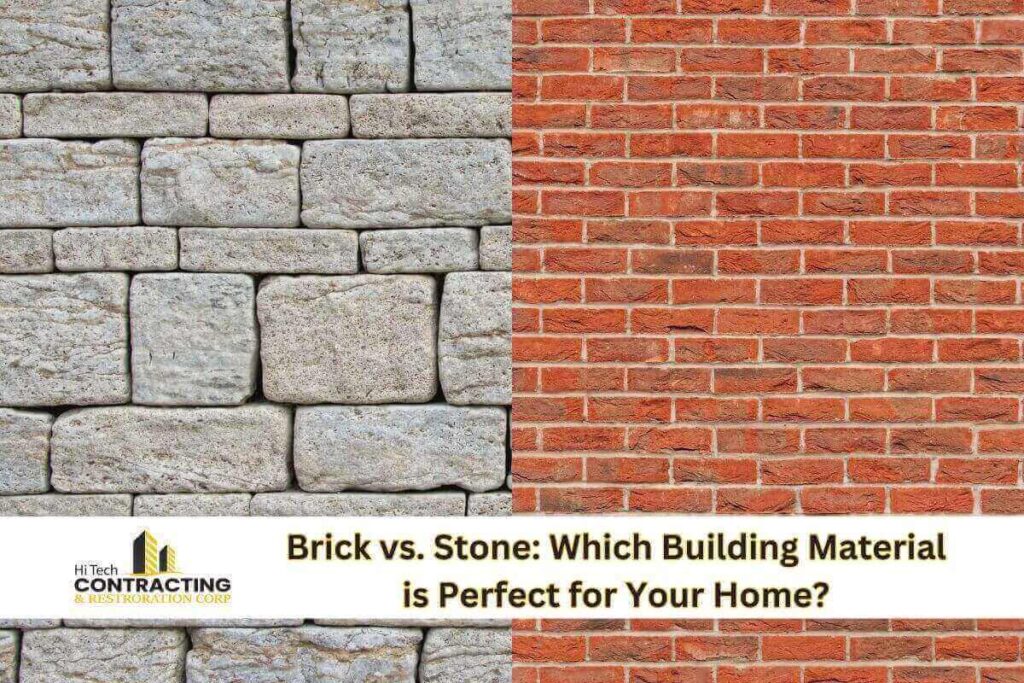
Cedar Siding vs Brick Exterior
| Feature | Cedar Siding | Brick |
| Installation Cost | Moderate to high | High |
| Maintenance | Regular | Low |
| Appearance | Warm and natural | Classic and permanent |
| Repairs | Easier | More complex |
Both options provide excellent curb appeal, but cedar offers more design flexibility.
How to Maintain Cedar Siding
Proper maintenance is the key to keeping cedar siding beautiful and durable.
Regular Cleaning
Clean cedar siding:
- Once or twice a year
- After severe weather
- When dirt buildup appears
Use:
- Mild soap
- Soft brushes
- Low-pressure washing methods
Avoid aggressive cleaning that can damage the wood surface.
Apply Protective Finish
A protective stain helps:
- Maintain color
- Reduce moisture absorption
- Prevent UV damage
- Extend siding life
Most cedar siding requires refinishing every few years depending on weather exposure.
Inspect for Damage
Regular inspections help identify problems early.
Look for:
- Cracks
- Loose boards
- Peeling finish
- Mold spots
- Signs of insects
Early repairs prevent larger siding issues.
Common Cedar Siding Problems and Solutions
Problem: Fading Color
Cause:
- Sun exposure
- Lack of protective coating
Solution:
- Apply UV-resistant stain or finish
Problem: Warping Boards
Cause:
- Moisture exposure
- Poor installation
Solution:
- Replace damaged boards
- Improve moisture protection
Problem: Mold or Mildew
Cause:
- Excess moisture
- Poor ventilation
Solution:
- Clean affected areas
- Improve drainage
- Maintain protective coating
Problem: Insect Damage
Cause:
- Lack of maintenance
- Moisture problems
Solution:
- Inspect regularly
- Apply protective treatments
- Replace damaged sections
Is Cedar Siding Worth the Investment?
When choosing an exterior siding material, homeowners want something that looks good, lasts long, and protects their property. Cedar siding remains a popular choice because it offers a combination of natural beauty, durability, and timeless appeal.
Although cedar siding has a higher upfront cost than some alternatives, many homeowners consider it a worthwhile investment because of its long lifespan and ability to improve a home’s appearance.
Cedar Siding Is Worth Considering If You Want:
- A natural wood appearance
- Premium curb appeal
- A durable exterior material
- Better insulation performance
- A customizable finish
- A classic design that does not go out of style
However, cedar siding may not be the best choice for homeowners who want a completely maintenance-free option.
Cedar Siding Maintenance Schedule
Proper maintenance helps cedar siding maintain its beauty and performance for many years.
Every Few Months
Check for:
- Dirt buildup
- Leaves and debris
- Water stains
- Damaged areas
Once a Year
Perform:
- Exterior inspection
- Cleaning
- Checking for cracks
- Looking for moisture problems
- Inspecting paint or stain condition
Every 3–5 Years
Depending on weather exposure, homeowners may need to:
- Reapply protective stain
- Refresh exterior coating
- Repair faded areas
Regular maintenance prevents small issues from becoming expensive siding repairs.
Best Cedar Siding Colors and Finishes
One of the biggest advantages of cedar siding is the ability to customize its appearance.
Natural Cedar Finish
A clear finish allows the natural wood grain to remain visible.
Benefits:
- Highlights cedar’s beauty
- Creates a warm appearance
- Maintains natural character
Stained Cedar Siding
Stains allow homeowners to change the color while keeping the wood texture visible.
Popular choices include:
- Honey brown
- Dark walnut
- Gray cedar
- Red cedar tones
- Natural beige
Painted Cedar Siding
Paint provides more color options and a different design style.
Popular colors:
- White
- Black
- Navy blue
- Green
- Light gray
Painted cedar can create both traditional and modern exterior designs.
Cedar Siding and NYC Weather Performance
Homes in Brooklyn and the greater New York City area experience different weather conditions throughout the year.
Cedar siding can perform well in NYC when properly installed and maintained.
Benefits for NYC Homes:
- Handles seasonal temperature changes
- Provides additional exterior protection
- Offers natural insulation
- Creates a premium appearance
Important Installation Considerations in NYC
Because of humidity, rain, snow, and temperature changes, cedar siding installation should include:
- Proper moisture barriers
- Correct flashing installation
- Adequate ventilation
- Quality fasteners
- Professional sealing
Proper installation helps prevent common issues like moisture damage and wood movement.
How Long Does Cedar Siding Last?
The lifespan of cedar siding depends on:
- Quality of materials
- Installation methods
- Climate conditions
- Maintenance schedule
- Protective finishes
Average Lifespan:
- Without regular maintenance: 15–25 years
- With proper care: 30–40+ years
- Premium cedar with excellent maintenance: 50+ years
Professional installation and regular inspections can significantly extend cedar siding performance.
Signs Your Cedar Siding Needs Repair or Replacement
Homeowners should inspect their siding regularly for warning signs.
Common Signs Include:
Cracked or Split Boards
Possible causes:
- Weather exposure
- Aging wood
- Moisture changes
Peeling Paint or Stain
Usually indicates:
- Loss of protective coating
- UV damage
- Need for refinishing
Soft or Rotten Areas
Often caused by:
- Water exposure
- Poor drainage
- Damaged finishes
Warped Boards
Can happen due to:
- Moisture absorption
- Incorrect installation
- Lack of ventilation
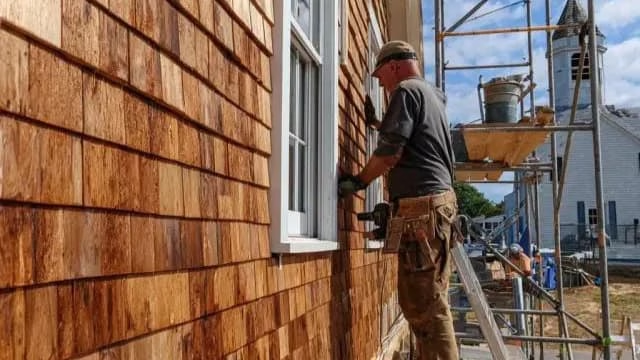
Cedar Siding Installation Process
Professional installation ensures your cedar siding performs properly.
Step 1: Inspection and Preparation
The contractor checks:
- Existing exterior condition
- Moisture issues
- Wall structure
- Required repairs
Step 2: Removing Old Siding (If Needed)
Old materials may be removed to:
- Inspect the wall surface
- Repair damage
- Improve moisture protection
Step 3: Installing Moisture Protection
A proper weather barrier is installed to protect the home from water intrusion.
Step 4: Installing Cedar Boards
Professionals ensure:
- Correct spacing
- Proper fastening
- Accurate alignment
- Secure installation
Step 5: Finishing and Sealing
The siding is finished with:
- Stain
- Paint
- Protective coating
This helps protect cedar from weather exposure.
Why Choose HTCR Corp for Cedar Siding?
Choosing the right contractor is just as important as choosing the right siding material.
At Hi Tech Contracting & Restoration Corp (HTCR Corp), we provide professional exterior improvement services designed to protect and enhance your property.
Our siding services include:
- Cedar siding installation
- Cedar siding repair
- Exterior restoration
- Siding replacement
- Home exterior improvements
- Weather protection solutions
Why Homeowners Choose HTCR Corp
Experienced Workmanship
Our team understands the importance of proper siding installation techniques.
Quality Materials
We use reliable materials designed for long-term exterior performance.
Complete Exterior Solutions
From siding repairs to larger restoration projects, we help homeowners maintain beautiful and durable properties.
Local Knowledge
Serving Brooklyn and the NYC area means understanding local weather conditions and construction needs.
Frequently Asked Questions About Cedar Siding
Is cedar siding better than vinyl siding?
Cedar siding offers a more natural and premium appearance, while vinyl siding requires less maintenance and usually costs less.
The better option depends on your priorities:
- Choose cedar for beauty and natural character.
- Choose vinyl for affordability and low maintenance.
How often does cedar siding need maintenance?
Most cedar siding requires maintenance every few years.
This includes:
- Cleaning
- Inspection
- Staining or sealing
The exact schedule depends on climate and exposure.
Does cedar siding increase home value?
Yes. Cedar siding can improve curb appeal and attract buyers who appreciate natural materials and premium exterior finishes.
Can cedar siding handle rain and snow?
Yes. Cedar performs well in different weather conditions when it is properly installed, sealed, and maintained.
Is cedar siding environmentally friendly?
Yes. Cedar is a renewable natural material and can be an environmentally responsible siding choice when sourced responsibly.
Final Thoughts: Is Cedar Siding Right for Your Home?
Cedar siding continues to be one of the most attractive and durable exterior siding options available today.
Its biggest advantages include:
- Natural beauty
- Long lifespan
- Excellent curb appeal
- Customizable finishes
- Strong weather performance
However, homeowners should remember that cedar requires regular maintenance to maintain its appearance and durability.
For homeowners who want a premium, natural exterior finish, cedar siding is an excellent investment.
Upgrade Your Home Exterior With HTCR Corp
If you are considering cedar siding installation, repair, or replacement in Brooklyn, NY, the experts at Hi Tech Contracting & Restoration Corp are ready to help.
Our team provides professional siding and exterior restoration services designed to improve your home’s protection, appearance, and long-term value.
Contact HTCR Corp Today For:
- Cedar siding consultation
- Professional installation
- Exterior inspections
- Repair services
- Restoration solutions
Choose quality craftsmanship and dependable exterior solutions with HTCR Corp. Contact our team today for a professional estimate and transform your home’s exterior with beautiful, durable cedar siding.
Contact US
Website: www.htcrcorp.com/
Phone: 718-510-6000
Serving: Manhattan, Brooklyn, Queens, Bronx, Staten Island, New Jersey, and Long Island
Address: 201 Bay 43rd St 2nd FL Brooklyn, NY 11214