If you are planning to upgrade your driveway, patio, or walkway, pavers are one of the most durable and visually appealing options available. But before starting the project, it is natural to ask the most important question: how much does it cost to put in pavers?
The average cost to put in pavers ranges from $8 to $30 per square foot. For a standard 600-square-foot driveway, you might spend between $6,000 and $18,000. A smaller patio of about 300 square feet could cost between $2,400 and $6,000. These numbers vary based on materials, labor, project complexity, and location.
This detailed guide covers everything you need to know about paver installation costs, including average prices for different project types, the impact of material choices, comparisons with concrete and asphalt, DIY versus professional installation, tips to save money, and long-term maintenance considerations. By the end, you will have a clear idea of what to expect and how to budget effectively.
Average Cost to Put in Pavers
The cost of installing pavers depends heavily on the type of project. A driveway, patio, or walkway will each have different requirements for base preparation, thickness, and labor.
Cost by Project Type
| Project Type | Average Cost per Sq. Ft. | Typical Total Cost |
|---|---|---|
| Driveway | $10 – $30 | $6,000 – $18,000 |
| Patio | $8 – $20 | $2,400 – $6,000 |
| Walkway | $10 – $25 | $1,500 – $3,750 |
Driveways usually cost the most per square foot because they require a thicker base and more preparation to handle vehicle weight. Patios and walkways are slightly less expensive because they bear lighter loads.
Cost by Paver Material
The type of paver material you choose plays a major role in the final cost.
| Material | Cost per Sq. Ft. (Installed) | Pros | Cons |
|---|---|---|---|
| Concrete Pavers | $8 – $15 | Affordable, durable, many design options | Can fade without sealing |
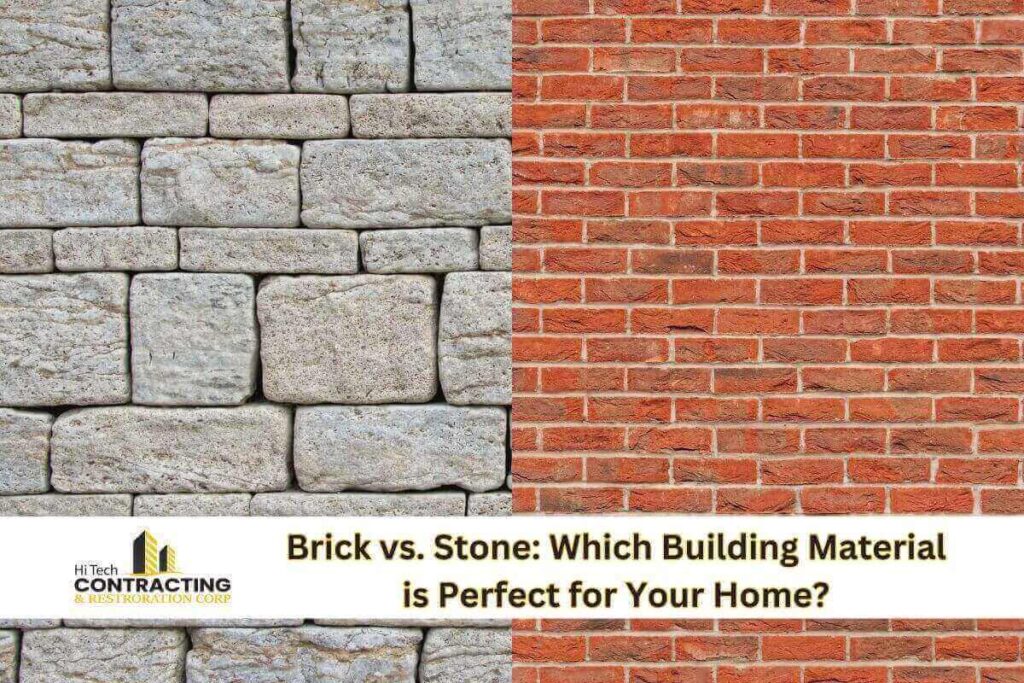
| Brick Pavers | $12 – $20 | Classic, timeless appearance, slip-resistant | More expensive, may chip |
| Natural Stone | $20 – $30+ | Premium, elegant, long-lasting | Highest cost, heavier labor |
Concrete pavers are the most budget-friendly and versatile option, making them a popular choice. Brick offers a warm, traditional look, while natural stone creates a luxury appearance but at a premium price point.
Key Factors That Impact Paver Installation Cost
Several factors affect the cost to put in pavers. Material is just the starting point.
- Material Choice: Concrete is generally the most affordable, brick is mid-range, and natural stone is premium.
- Labor and Installation: Paver installation is labor-intensive, including excavation, base preparation, cutting pavers, and compacting. Labor often makes up 50 to 70 percent of the total cost.
- Base Preparation: If the area needs extensive excavation, grading, or drainage installation, expect higher costs. Proper base prep is critical to avoid sinking or shifting pavers later.
- Design Complexity: Straight patterns cost less, while intricate designs like herringbone, basketweave, or circular layouts require more cutting and time.
- Borders and Edging: Adding decorative borders or edging can make the project look polished but adds extra expense.
- Project Size: Larger projects typically have a lower cost per square foot since contractors can spread fixed costs across more area.
Pavers vs Concrete Slab vs Asphalt
If you are deciding between pavers, concrete, and asphalt, it is important to compare cost, durability, and appearance.
| Option | Average Cost per Sq. Ft. | Lifespan | Maintenance | Appearance |
|---|---|---|---|---|
| Concrete Slab | $6 – $12 | 20-30 years | Can crack, requires sealing | Basic |
| Asphalt | $5 – $10 | 15-20 years | Requires regular sealing | Plain, dark |
| Pavers | $8 – $30 | 30+ years | Replace individual pieces | Stylish, customizable |
While pavers cost more upfront, they last longer, are easier to repair, and greatly improve curb appeal.
DIY vs Hiring a Professional
Some homeowners consider installing pavers themselves to save money. This can work for small projects but comes with trade-offs.
DIY installation typically costs $4 to $10 per square foot, including materials and tool rentals. The benefit is saving on labor, but it requires significant physical effort and precision to avoid uneven results. Professional installation costs $8 to $30 per square foot but includes expert base preparation, leveling, and often a warranty. For large driveways or complex patterns, hiring a professional is highly recommended.
Tips to Save Money on Paver Installation
Even with professional installation, there are ways to manage costs without sacrificing quality.
- Choose concrete pavers for an affordable yet attractive solution.
- Stick with simple patterns to reduce labor time.
- Clear the site yourself by removing old concrete or vegetation before the crew arrives.
- Get at least three quotes from reputable contractors and compare what is included.
- Schedule work during off-season months when contractors may offer discounts.
Maintenance Costs After Installation
Pavers require minimal long-term maintenance compared to other surfaces.
- Sealing every 3 to 5 years costs about $1 to $3 per square foot and helps protect color and resist stains.
- Refilling joint sand keeps pavers locked in place and deters weeds.
- If a paver cracks, you can simply replace the individual piece rather than repairing an entire slab.
This ease of maintenance is one of the main reasons pavers are considered a smart investment for homeowners.
Real-World Example: Driveway Cost
Consider a 600-square-foot driveway with concrete pavers. Material costs would range from $3,600 to $6,000. Labor and preparation might add another $2,400 to $7,200. The total comes to $6,000 to $13,200. This breakdown shows why understanding labor costs is crucial when budgeting.
Frequently Asked Questions
What is the average cost to put in pavers per square foot?
The average cost to put in pavers ranges from $10 to $25 per square foot, including both materials and labor. Prices vary based on the type of paver you choose, the design complexity, and the condition of the installation site.
Are pavers more expensive than concrete or asphalt?
Yes, pavers usually have a higher upfront cost compared to concrete or asphalt. However, they often last longer, are easier to repair, and add more curb appeal — which can increase your property value and save money over time.
What is cheaper: concrete, asphalt, or pavers?
Asphalt is typically the cheapest option, followed by concrete, with pavers being the most expensive. While pavers cost more initially, they offer better aesthetics, durability, and flexibility in design.
How long do pavers last compared to concrete or asphalt?
Pavers can last over 50 years if they are installed and maintained properly. Concrete usually lasts 25–30 years, while asphalt may only last 15–20 years before major repairs or resurfacing are required.
How do maintenance costs compare for pavers, concrete, and asphalt?
Pavers are generally the easiest to maintain because individual stones can be replaced without tearing up the whole surface. Concrete needs occasional sealing and crack repairs, while asphalt must be resealed every 2–3 years to maintain its appearance and durability.
Conclusion
The cost to put in pavers depends on several factors including project size, material choice, and labor rates. Most homeowners spend between $8 and $30 per square foot. While pavers cost more than asphalt or concrete slabs, they last longer, look better, and are easier to maintain. They also add value to your property.
If you are ready to improve your driveway, patio, or walkway, start by getting several quotes from local contractors. Compare not just the price but also what is included, such as base preparation, edging, and sealing. A well-installed paver surface is more than just a project — it is a long-term investment in the look and functionality of your home.
Contact US
Website: www.htcrcorp.com/
Phone: 718-510-6000
Serving: Manhattan, Brooklyn, Queens, The Bronx, Westchester County, and Long Island.
Address:201 Bay 43rd St 2nd FL Brooklyn, NY 11214