
Flat roofs and slate roofs differ greatly in both design and functionality. A flat roof is built with a nearly level surface that has only a slight pitch to allow drainage. This type of roof is often chosen in urban areas or on commercial buildings because it creates additional usable space, such as a rooftop garden, seating area, or storage. However, flat roofs generally require more frequent maintenance since water and debris can accumulate more easily if not properly drained. Their design makes them practical but also demands regular care to ensure longevity and performance.
On the other hand, a slate roof offers durability, natural beauty, and excellent water runoff due to its sloped design. Slate tiles are known for their strength and can last for decades, often outlasting other roofing materials. The angled structure of a slate roof helps prevent water pooling and reduces the chances of leaks, making it a reliable choice in areas with heavy rainfall or snow. Beyond functionality, slate roofs also enhance curb appeal, adding an elegant and timeless look to any home or building. Choosing between the two depends on your property’s needs, maintenance preferences, and desired appearance.
What Is a Flat Roof?
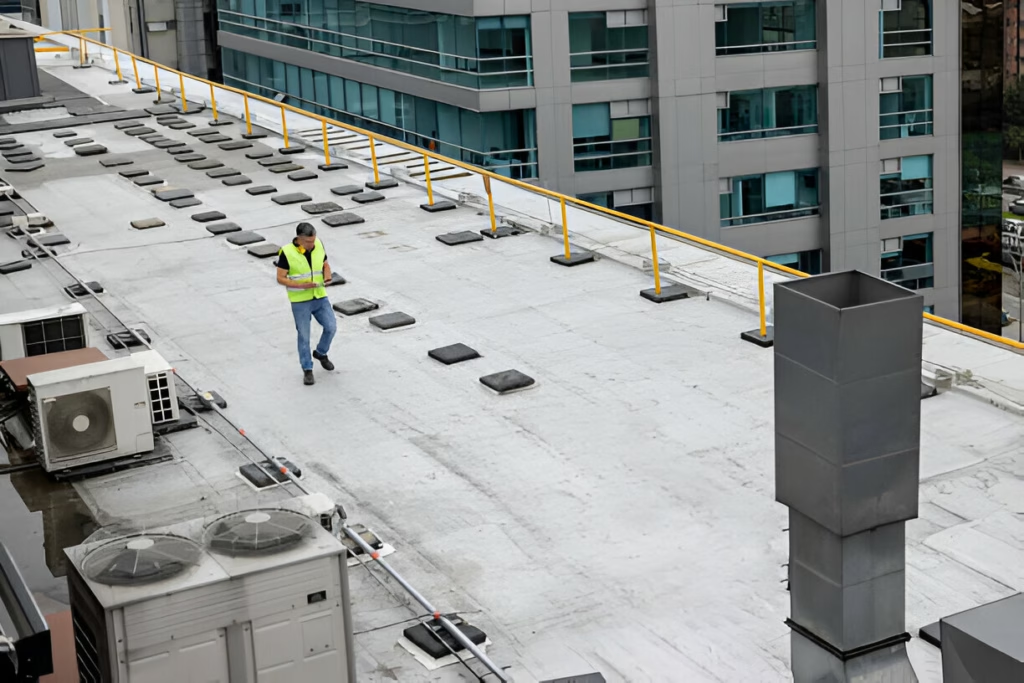
A flat roof is a roofing style that appears level to the eye but is not completely flat. In reality, it is designed with a very slight slope, usually just a few degrees, to allow rainwater to flow toward drains or gutters. Without this small slope, water would pool on the surface and eventually cause leaks or structural damage. Flat roofs are common in modern architecture and are especially popular in cities because they maximize usable space.
While the design looks simple, flat roofs are carefully engineered to balance practicality and durability. Their nearly level surface makes them ideal for creating rooftop gardens, terraces, or even outdoor living spaces. However, they also require regular inspection and maintenance to keep drainage systems clear and working properly. This combination of function and design makes flat roofs both versatile and efficient when installed and maintained correctly.
Key Features of Flat Roofs:
- Easy to walk on
- Looks simple
- Often seen on big buildings
- Can be used for gardens or solar panels
We sometimes see flat roofs on schools, shops, and even homes in cities.
What Is a Slat Roof?
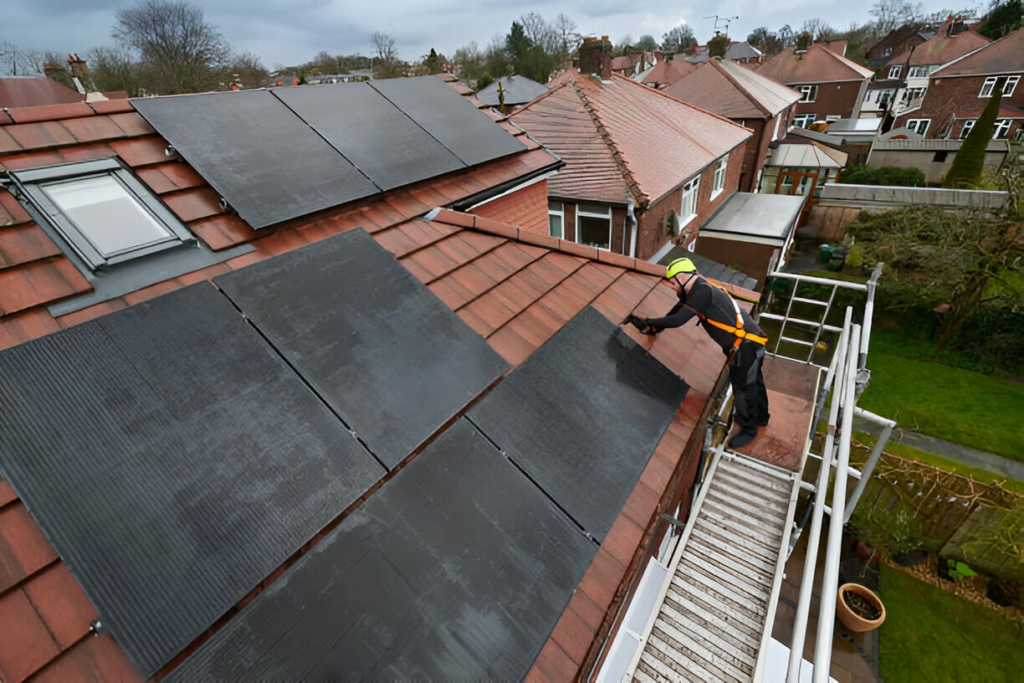
A slate roof, often referred to as a sloped or pitched roof, is designed with a noticeable angle that allows water, snow, and debris to run off easily. Instead of being flat, the roof surface is covered with overlapping slate tiles or shingles arranged in rows. This structure not only improves water drainage but also adds strength and protection, making slate roofs highly durable and long-lasting.
Beyond functionality, slate roofs are valued for their timeless beauty and classic appeal. The natural stone tiles come in various shades of gray, green, black, or even red, giving homes a distinctive, elegant appearance. Because of their durability, slate roofs can last for many decades when properly maintained, often outlasting other roofing materials. This combination of style and reliability makes them a popular choice for homeowners who want both performance and curb appeal.
Key Features of Slat Roofs:
- Water runs off quickly
- Looks nice and classic
- Good in rain and snow
- Mostly seen on houses
You may have seen slat roofs in villages or older homes. They are strong and last long.
A Story from Our Customer – Mary’s Roof Trouble
Let’s hear a small story.
Mary lives in a small house in New York. One rainy day, her ceiling started dripping.
She called us for help.
We came and checked her flat roof. It had water standing on it. She didn’t know the drain was blocked.
We cleaned it. Then we asked her,
“Do you want a roof that works better in heavy rain?”
She smiled and asked,
“Which one is better?”
We showed her the difference between flat and slat roofs.
Guess what? Mary picked the slat roof.
Now, her roof looks great, and there’s no more water problem!
Flat Roof vs Slat Roof – Easy Table to Understand
Here is a table to help you see the difference quickly.
| Feature | Flat Roof | Slat Roof |
|---|---|---|
| Shape | Flat or nearly flat | Sloped or angled |
| Look | Modern and simple | Classic and traditional |
| Water Drainage | Slower, may collect water | Fast drainage, no standing water |
| Best For | City buildings, terraces | Homes in rainy or snowy areas |
| Walking Space | You can walk on it | Harder to walk on |
| Cost | Often cheaper | A bit more costly |
| Easy to Build | Yes | Needs more work |
| Solar Panel Setup | Very easy | Needs adjustment |
| Snow and Rain | Can be tricky | Very good |
| Life Span | 10-15 years | 20+ years |
Which Roof Is Best?
Deciding which roof is best — flat or slate — really depends on your home’s needs, location, and lifestyle. A flat roof is a practical choice if you want to maximize usable space, such as creating a rooftop garden, terrace, or storage area. It also works well for modern-style homes and commercial buildings. However, it does require more frequent maintenance to ensure proper drainage and prevent water pooling.
On the other hand, a slate roof is ideal if you’re looking for long-term durability, better water runoff, and an elegant appearance. Its sloped design naturally directs rain and snow away, reducing the risk of leaks and damage. Slate roofs also add classic beauty to a home and can last for decades with proper care. Ultimately, the best roof depends on whether you value extra usable space and modern design (flat roof) or durability and timeless appeal (slate roof).
Best for Cities?
Flat roofs are often considered the better choice for city homes and buildings because of their practicality and efficient use of space. Unlike sloped designs, a flat roof provides a level surface that can be used for multiple purposes. Homeowners and businesses can walk on it comfortably, making it more accessible for inspections, maintenance, or even relaxation.
In addition to accessibility, flat roofs allow for creative uses such as building a rooftop garden, setting up outdoor seating, or installing solar panels. This makes them especially valuable in urban areas where outdoor space is limited. With the right waterproofing and regular upkeep, a flat roof can transform into a functional and sustainable feature that adds value to any property.
Best for Rain or Snow?
Slate roofs are often the better choice in regions with heavy rain or snow because of their sloped design. The angled structure allows water, snow, and ice to slide off easily, reducing the risk of leaks or pooling that can damage the roof over time. This natural drainage system makes slate roofs more reliable in climates where harsh weather is common.
Beyond their weather resistance, slate roofs are extremely durable and can last for decades when properly maintained. Their strength and ability to withstand moisture make them an excellent investment for long-term protection. Homeowners in rainy or snowy areas also benefit from the added safety, since the design prevents excess weight from snow buildup and helps maintain the roof’s integrity.
Best for Long Life?
A slate roof is well known for its longevity, often lasting many decades, sometimes even over a century when properly maintained. This durability comes from the natural stone material, which is exceptionally strong and resistant to common roofing problems such as rot, mold, and insect damage. Unlike other materials that may wear out or need replacement within a few decades, slate is built to stand the test of time.
Its strength also makes it highly dependable in different weather conditions. Whether facing heavy rain, snow, or strong winds, a slate roof holds up with minimal damage. This resilience makes it a smart long-term investment, providing homeowners with peace of mind and reducing the need for frequent repairs or replacements. For those seeking a roof that combines beauty with unmatched durability, slate is one of the best options available.
Why Does the Roof Type Matter?
The type of roof you choose matters because it plays a vital role in protecting your home. A roof is your first defense against rain, snow, wind, and sunlight. If your roof is not strong or well-suited for your environment, it can lead to leaks, water damage, or higher indoor temperatures. Over time, these issues can harm not only your comfort but also the structure and safety of your entire home.
Beyond protection, the roof type also affects energy efficiency, maintenance needs, and even the appearance of your property. For example, the right roof can help keep your home cooler in the summer and warmer in the winter, lowering energy bills. It also contributes to curb appeal, adding beauty and value to your property. Choosing the right roof type ensures long-lasting safety, comfort, and efficiency for your home.
We Help You Choose the Right One
We always ask:
- Where do you live?
- How much rain or snow do you get?
- Do you want to use your roof?
Then, we help you pick the best one.
Flat Roof – Good Things and Problems
Good Things:
One of the biggest advantages of a flat roof is that it can be used almost like an extra floor. Because of its level surface, you can walk on it easily, place furniture, or even create a rooftop garden or lounge area. This makes it especially valuable in crowded cities where outdoor space is limited. A flat roof gives homeowners the chance to turn their roof into a functional, usable part of the home.
Flat roofs are also easier to build and repair compared to sloped roofs. Their simple design requires fewer materials, which often makes them more affordable to install. When maintenance is needed, repairs are typically quicker and less expensive since workers can move around safely on the flat surface. For homeowners who want a cost-effective and practical roofing option, a flat roof provides both function and savings.
Problems:
While flat roofs offer many advantages, they also come with a few challenges. Because the surface is nearly level, water can sometimes collect on top instead of running off quickly. If drainage systems are not working properly, this standing water can put stress on the roof and cause damage over time. That’s why flat roofs require regular inspection to make sure everything is in good condition.
Another concern with flat roofs is the possibility of leaks if they are not properly maintained. Even small cracks or weak spots in the roofing material can allow water to seep in, leading to costly repairs. Regular cleaning, timely maintenance, and professional care are essential to keeping a flat roof in good shape. With proper attention, these problems can be managed, but homeowners should always stay on top of upkeep to prevent damage.
Slat Roof – Good Things and Problems
Good Things:
One of the greatest strengths of a slate roof is its natural ability to shed rain and snow. Thanks to its sloped design, water and snow slide down quickly, preventing buildup and reducing the chance of leaks. This makes slate roofs especially reliable in areas with heavy rainfall or snowy winters, keeping homes safe and dry throughout the seasons.
In addition to performance, slate roofs are admired for their beauty and style. The natural stone tiles give a timeless, elegant appearance that can greatly improve a home’s curb appeal. On top of that, slate is one of the longest-lasting roofing materials available, often lasting many decades or even over a century when well maintained. With its combination of durability and classic design, a slate roof offers both protection and long-term value.
Problems:
While slate roofs offer strength and beauty, they also come with certain drawbacks. One of the main challenges is cost — slate is more expensive to purchase and install compared to many other roofing materials. Since it requires skilled craftsmanship and high-quality stone, the upfront investment is significantly higher. This can make it less affordable for homeowners on a budget.
Another drawback is that slate roofs are not as easy to walk on as flat roofs. The sloped surface makes it difficult and sometimes unsafe for people to climb up for inspections or repairs. Building a slate roof also takes more time because each tile must be carefully placed and secured. Although the finished result is long-lasting and elegant, the process requires patience, expertise, and higher labor costs.
What Material Is Used?
Both roofs use different materials.
Flat Roof Materials:
Flat roofs can be built using a variety of materials, each offering unique benefits. Common choices include bitumen, which is affordable and widely used for its waterproofing qualities, and rubber (EPDM), known for being lightweight, flexible, and resistant to weather damage. These materials are especially popular for smaller buildings and homes because they are cost-effective and easy to install.
Other options include concrete, which provides a strong and durable surface that can handle heavy use, and PVC, a modern roofing material valued for its energy efficiency and resistance to chemicals and fire. The choice of material often depends on budget, climate, and the desired lifespan of the roof. With the right selection and proper installation, flat roofs can remain reliable and functional for many years.
Slat Roof Materials:
Slate or sloped roofs can be built using a range of materials, each offering different looks and levels of durability. Wood is a traditional choice that gives homes a natural and rustic style, though it requires regular care to prevent rot or insect damage. Shingles, often made from asphalt, are one of the most common roofing materials because they are affordable, versatile, and relatively easy to install, making them a popular option for homeowners.
Other strong options include tiles, which can be made of clay or concrete. They provide a classic and elegant appearance while lasting for many decades with proper maintenance. Metal roofing is another excellent material for sloped roofs, offering strength, resistance to weather, and a modern look. The variety of materials available for sloped roofs allows homeowners to choose based on their budget, climate, and design preferences, making it a flexible and long-lasting roofing solution.
What’s Easy to Maintain?
When it comes to maintenance, flat roofs are generally easier to access. Their level surface makes it simple for homeowners or contractors to walk on the roof, clean it, or carry out minor repairs. However, flat roofs require more frequent inspections because water and debris can collect on the surface. Without regular checks, small problems like pooling water or cracks can quickly turn into bigger issues.
Sloped roofs, on the other hand, are harder to reach and more dangerous to walk on. Cleaning or repairing them often requires professional help. The advantage, however, is that sloped roofs usually need less maintenance overall. Their design allows rain, snow, and debris to slide off naturally, reducing the chances of water buildup or damage. The real question is: would you rather perform regular checks yourself, or prefer a roof that takes care of itself with less attention?
Energy Saving – Which Roof Wins?
Flat roofs are an excellent choice if you’re planning to install solar panels. Their wide, level surface makes it easy to place panels in the best position for capturing sunlight. This setup not only helps you generate clean energy but also reduces electricity bills over time. With proper installation, flat roofs can maximize the efficiency of solar panels while keeping installation costs lower.
Sloped roofs can also support solar panels, but the process is a bit more complex. The angle of the roof may not always face the right direction for maximum sunlight, so additional tilting or mounting systems might be needed. This can make the installation more expensive compared to flat roofs. Still, once installed correctly, solar panels on a sloped roof can perform just as well and add long-term value to the home.
Best Roof for Kids?
A flat roof can sometimes serve as extra space for families. If designed properly, it can even be a safe area for children to play. Since the surface is level, it is easier to walk on and much safer compared to a sloped roof. Many homeowners even turn their flat roofs into rooftop gardens, seating areas, or multipurpose spaces where the family can relax together.
However, safety should always be the top priority. Even though a flat roof feels safer, it’s important to add fencing, railing, or protective barriers around the edges to prevent accidents. Regular maintenance is also key, as it ensures the surface remains stable and free from hazards. With the right safety measures in place, a flat roof can be transformed into a useful and enjoyable part of the home.
Mary’s Advice
Mary says,
“I liked my flat roof. But after the leak, I saw the slat roof was better for rain. Now, I sleep without worry!”
She now even added solar panels on the side of her new slat roof.
Cost Comparison
Flat roofs are usually cheaper to install. But they may cost more in the long run for repairs.
Slat roofs cost more at the start. But they last longer and have fewer issues.
We tell our customers:
“Think long term. Pay once, save later!”
Our Roof Services for You
We help people like you pick the best roof.
We check:
- Your budget
- Your city’s weather
- Your house’s shape
Then we give you:
- The best plan
- A fair cost
- Friendly service
Final Thoughts
Both flat and slat roofs are good. But they are good in different ways.
You must choose what fits your needs best.
Let’s Remember:
- Flat roofs = easy to use, good for cities
- Slat roofs = better in rain and snow, long life
- Mary chose well. You can too!
Flat Roof and Slat Roof – FAQS
Contact US:
Need help picking the right roof?
You’ll get:
- Expert advice
- Simple steps
- A roof that lasts
Let’s build a safe roof together!