Building a strong and durable home requires more than just good materials it needs expertise, skill, and precision. Masonry work has been a cornerstone of construction for centuries, providing strength, beauty, and longevity to structures around the world. At HTCR Corp, we specialize in delivering high-quality masonry solutions for homes and commercial projects, ensuring your investment stands the test of time.
In this blog, we will explore everything you need to know about masonry work, from materials and techniques to maintenance and professional guidance.
What Is Masonry Work?
Masonry work is the craft of building structures using materials like stone, brick, concrete blocks, and other durable materials. Unlike simple construction methods, masonry relies on precise stacking, alignment, and the use of binding agents such as mortar to create strong, long-lasting structures.
The goal of masonry work is to combine materials and design techniques in a way that ensures structural integrity, aesthetic appeal, and durability. Whether it’s a brick wall, a stone walkway, or a concrete patio, masonry provides solutions that are both functional and visually appealing.

Essential Materials in Masonry Work
Every masonry project starts with selecting the right materials. Each material has unique properties and benefits:
Stone
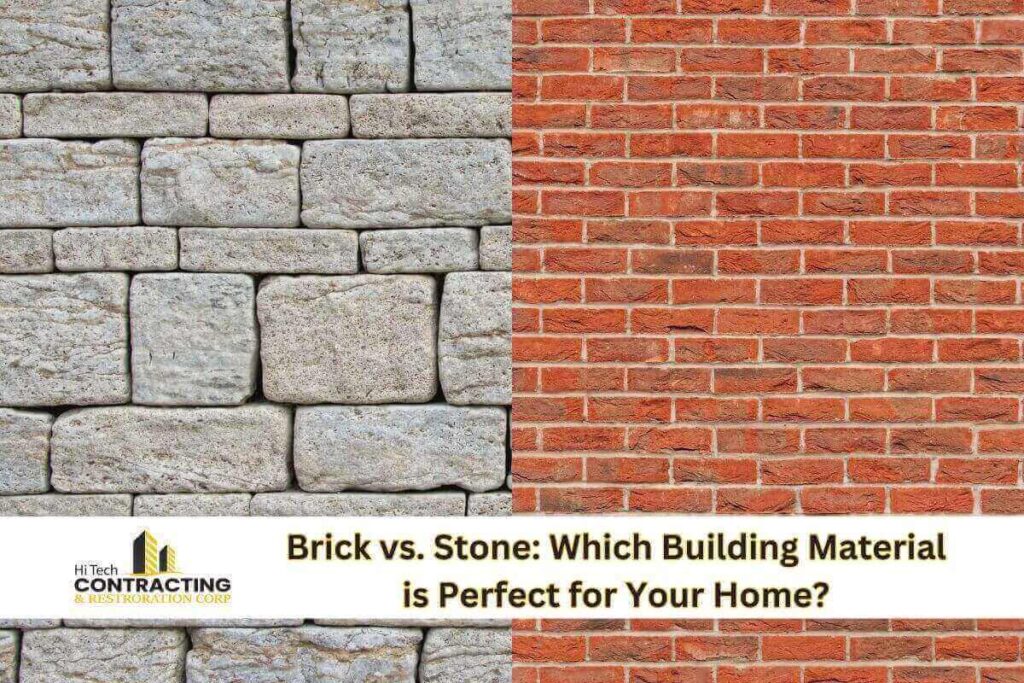
Stone is one of the oldest masonry materials, known for its natural beauty and incredible durability. Common types of stone used in masonry include granite, limestone, and sandstone. Stone can be used for walls, walkways, and decorative features. Stone masonry offers a timeless look and requires minimal maintenance, making it a favorite for many homeowners.
Brick
Bricks are made from clay and sand and are shaped into uniform, stackable forms. They are easier to work with than irregular stone and come in a variety of colors, textures, and finishes. Brick masonry is ideal for creating structured walls, fireplaces, and patios. Bricks not only provide structural stability but also add warmth and character to any design.
Mortar
Mortar is the binding agent that holds bricks, stones, and blocks together. It is usually made from a combination of cement, lime, sand, and water. Mortar ensures even load distribution across structures and contributes to their long-term stability. Different mortar types are available for various applications, including bricklaying, stone walls, and concrete block construction.
Concrete
Concrete is a versatile masonry material made from gravel, sand, cement, and water. It can be molded into various shapes, making it ideal for foundations, slabs, and decorative features. With proper curing, concrete provides excellent strength and durability, which is essential for supporting heavy loads.
Key Principles of Masonry Construction
High-quality masonry work is based on several fundamental principles:
- Proper Bonding – Ensuring materials are bonded correctly is essential for stability. Brick, stone, and block patterns must align perfectly.
- Level Courses – Each layer of masonry must be level to distribute weight evenly.
- Load Distribution – The structure should handle vertical and lateral loads efficiently.
- Moisture Management – Protecting masonry from water infiltration prevents damage and prolongs durability.
At HTCR Corp, we apply these principles to every project, ensuring your home or building is both beautiful and structurally sound.
Supporting a Masonry Structure
A masonry structure is only as strong as its foundation. Without proper support, walls can crack or collapse. Here are the key considerations:
Stable Ground and Footings
Masonry should be built on undisturbed soil or compacted fill. Footings distribute the weight of the structure, preventing uneven settling. Concrete footings are common, but gravel or crushed stone may also be used depending on the project.
Frost Depth Considerations
In cold climates, footings should extend below the frost line. This prevents damage caused by water freezing and expanding in the soil, which can shift or crack masonry structures.
Types of Masonry Structures
Masonry work is versatile and can be applied to a wide range of construction projects:
Walls
Load-bearing walls provide structural support, while non-load-bearing walls are mainly decorative. Masonry walls also offer sound insulation, fire resistance, and energy efficiency.
Walkways
Stone and brick walkways are practical and visually appealing. Proper base preparation ensures stability and prevents movement due to weather changes.
Patios and Driveways
Masonry patios and driveways enhance outdoor spaces. They require stable foundations and often incorporate concrete slabs. Bricks or pavers can be arranged in custom patterns to create unique designs.
Tools for Masonry Work
Successful masonry work requires specialized tools:
Hand Tools
- Trowels: For spreading mortar.
- Levels: To ensure straight, plumb work.
- Chisels & Hammers: For cutting and shaping materials.
- Jointers: To finish mortar joints.
Power Tools
- Mixers: For consistent mortar and concrete preparation.
- Wet Saws: To cut bricks and stones accurately.
- Power Hammers: For demolition or material shaping.
Using the right tools ensures precision, safety, and efficiency in every masonry project.
DIY Masonry Projects
While professional expertise is essential for large-scale construction, homeowners can also attempt smaller projects:
- Walkway Installation: Prepare a base, lay bricks or stones, and create functional paths.
- Fire Pit Construction: Use concrete blocks to build outdoor fire pits.
- Basic Repairs: Reapply mortar, patch cracks, and maintain masonry surfaces.
Regular maintenance, such as cleaning and inspecting structures, extends the life of masonry work.
Common Masonry Issues and Solutions
Even well-built masonry can face challenges. Knowing potential issues helps homeowners prevent long-term damage:
Cracking
Cracks may occur due to settling, thermal expansion, or poor foundations. Minor cracks can be repaired with caulk, while major issues require professional attention.
Efflorescence
This white powdery substance appears when salts migrate to the surface. It can be cleaned with a brush and mild vinegar. Persistent efflorescence may indicate moisture problems that need correction.
Moisture Damage
Water infiltration can deteriorate masonry over time. Proper drainage, waterproofing, and sealing protect your investment from moisture damage.
Why Hire Professionals for Masonry Work?
Professional masonry work is crucial for complex projects. Experts bring:
- Experience with structural integrity and building codes.
- Skill in material handling and proper techniques.
- Knowledge of environmental factors like temperature and moisture effects.
Hiring a professional ensures your masonry structure remains durable, safe, and visually appealing for years to come. At HTCR Corp, our team of skilled masons delivers exceptional results for residential and commercial projects.
Maintaining Your Masonry Structures
To preserve your masonry work:
- Conduct regular inspections for cracks, loose units, and water damage.
- Clean gently with soft brushes or low-pressure washing.
- Apply sealants to prevent moisture penetration.
Routine maintenance enhances the appearance and longevity of your masonry, keeping your home strong and beautiful.
Conclusion
Masonry work is both an art and a science. It combines durable materials, precise techniques, and professional expertise to create strong, long-lasting structures. Whether you are considering a DIY project or hiring experts, understanding masonry principles is essential for achieving excellent results.
For professional masonry solutions that prioritize strength, durability, and design, trust the experts at HTCR Corp. Our team delivers top-quality craftsmanship, ensuring your home or commercial project is built to last.
Contact US
Website: www.htcrcorp.com/
Phone: 718-510-6000
Serving: Manhattan, Brooklyn, Queens, The Bronx, Westchester County, and Long Island.
Address: 201 Bay 43rd St 2nd FL Brooklyn, NY 11214