Cracks, loose bricks, or water leaks along the top edge of a building are often signs that a parapet wall needs attention. While these issues may seem minor at first, they can allow moisture to enter the masonry, damage the roofing system, and lead to costly structural repairs if left unaddressed.
A parapet wall is a protective extension built above the edge of a roof, balcony, terrace, or building. It improves safety, helps protect roofing systems, manages water exposure, and enhances the appearance of both residential and commercial properties.
In New York City, parapet walls are commonly found on flat-roof buildings, apartment complexes, commercial properties, and older masonry structures. Because they remain exposed to rain, snow, wind, and seasonal temperature changes throughout the year, regular inspection and maintenance are essential for long-term durability.
In this guide, you’ll learn what a parapet wall is, the different types available, common signs of damage, repair costs, waterproofing methods, and how timely maintenance can help protect your property from expensive structural problems.
What Is a Parapet Wall?
A parapet wall is a vertical extension that rises above a roofline or building edge. While historic designs were originally created for protection, modern structures provide both practical and architectural benefits.
Today, these rooftop barriers help with:
- Roof edge safety
- Weather protection
- Fire separation
- Water management
- Exterior appearance
- Concealing rooftop equipment
They are especially common in NYC because many residential and commercial buildings use flat roofing systems.
Common Parapet Wall Problems Found in NYC Buildings
Parapet walls are exposed to New York City’s changing weather throughout the year, including heavy rain, snow, strong winds, and freeze-thaw cycles. Over time, these conditions can weaken masonry materials and affect the wall’s ability to protect the building.
Regular inspections help identify minor issues before they develop into more extensive repairs. Below are some of the most common parapet wall problems found on residential and commercial properties.
Open Mortar Joints
Mortar joints naturally wear down as buildings age. Weather exposure and normal structural movement can cause the mortar between bricks to crack, crumble, or separate, leaving small openings in the wall.
These gaps allow moisture to penetrate the masonry, which may lead to interior leaks, weakened brickwork, and further deterioration if repairs are delayed.
Damaged Coping Stones
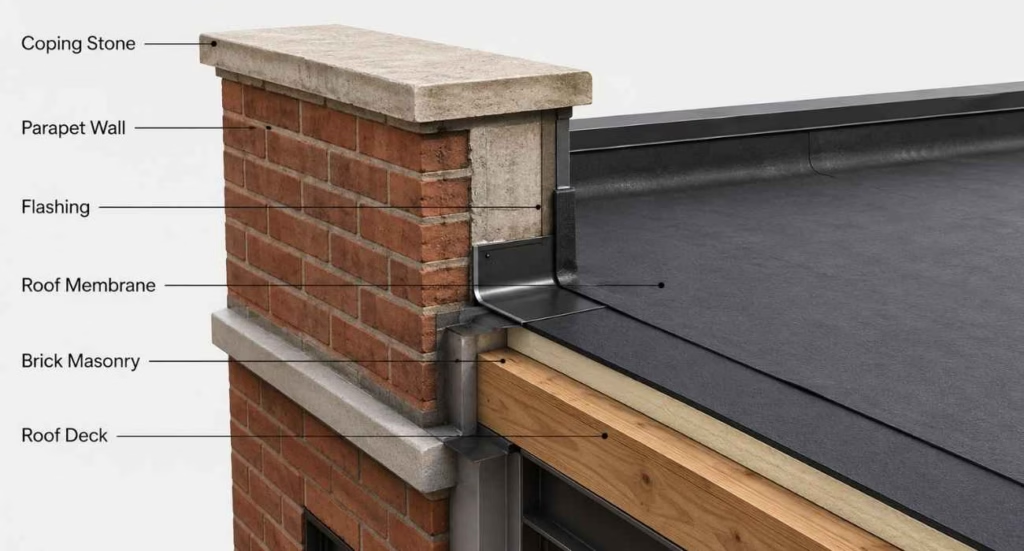
Coping stones sit along the top of a parapet wall and act as the first line of defense against rainwater. When they become cracked, loose, or improperly sealed, water can bypass this protective layer and reach the masonry below.
Keeping coping stones in good condition helps extend the lifespan of the parapet wall and reduces the risk of unnecessary water damage.
Flashing Problems
Flashing forms a watertight seal where the roof meets the parapet wall. If the flashing becomes damaged, corroded, or begins to separate, water can enter the roof system and create leaks inside the building.
Prompt repairs help maintain a secure roof-to-wall connection and prevent moisture from spreading into surrounding building materials.
Loose Bricks and Masonry
Years of weather exposure, natural settling, and aging construction materials can cause bricks or sections of masonry to loosen. While this may begin as a cosmetic issue, it can eventually affect the stability and safety of the parapet wall.
Repairing loose masonry early helps preserve the structural integrity of the wall and prevents more extensive restoration work in the future.
Different Types of Parapet Wall Designs
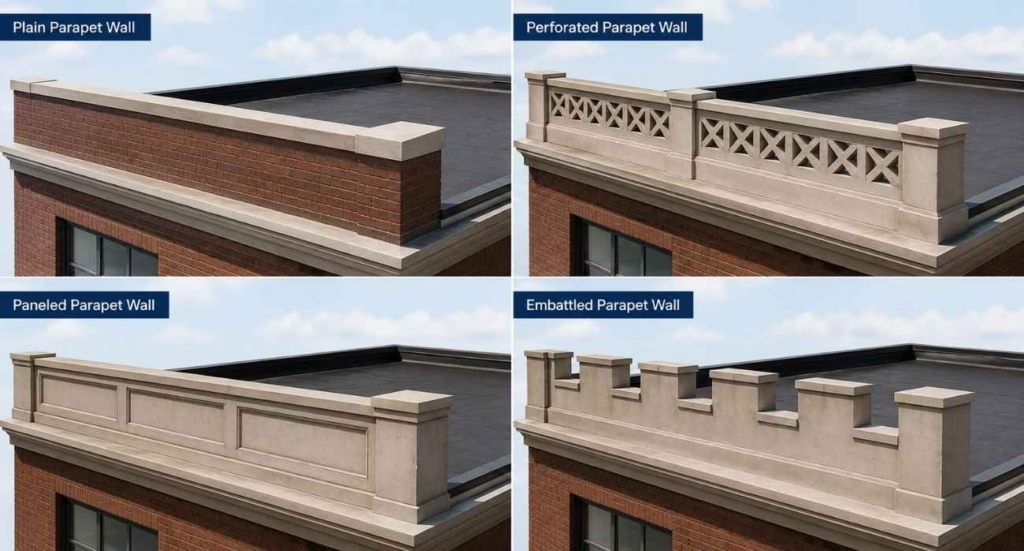
Parapet walls are available in several designs, each offering a different combination of functionality, safety, and architectural style. The right design depends on the building’s purpose, local building requirements, and the desired exterior appearance.
Plain Parapet Wall
A plain parapet wall is the most common and straightforward design. It extends vertically above the roofline without decorative features, providing a clean and modern appearance while helping improve roof-edge safety.
This type is widely used on residential homes, commercial buildings, and flat-roof structures because it is both practical and cost-effective.
Perforated Parapet Wall
A perforated parapet wall features decorative openings or patterns built into the masonry. These openings create a distinctive architectural look while allowing light and air to pass through.
This design is often found on decorative facades, balconies, and buildings where appearance is an important design element.
Paneled Parapet Wall
A paneled parapet wall includes raised or recessed sections that add visual depth to the building’s exterior. It combines decorative detailing with the protective function of a standard parapet wall.
Paneled designs are commonly used on residential and commercial properties that want a more refined architectural appearance.
Embattled Parapet Wall
An embattled parapet wall features alternating raised and lowered sections along the top edge of the wall. Originally inspired by historic fortifications, this design is now mainly used for architectural character rather than defense.
It is commonly seen on historic buildings, churches, castles, and restoration projects where preserving the original style is important.
Why Are These Structures Important?
A properly maintained parapet wall provides several important benefits.
Improves Safety
It creates a protective barrier around roof edges and elevated areas.
Protects Against Weather
The structure helps shield roofing materials and exterior surfaces from harsh weather.
Enhances Building Appearance
It provides a finished look and can hide rooftop equipment.
Supports Fire Protection
Certain designs help slow fire movement between connected structures.
Warning Signs That Repairs Are Needed
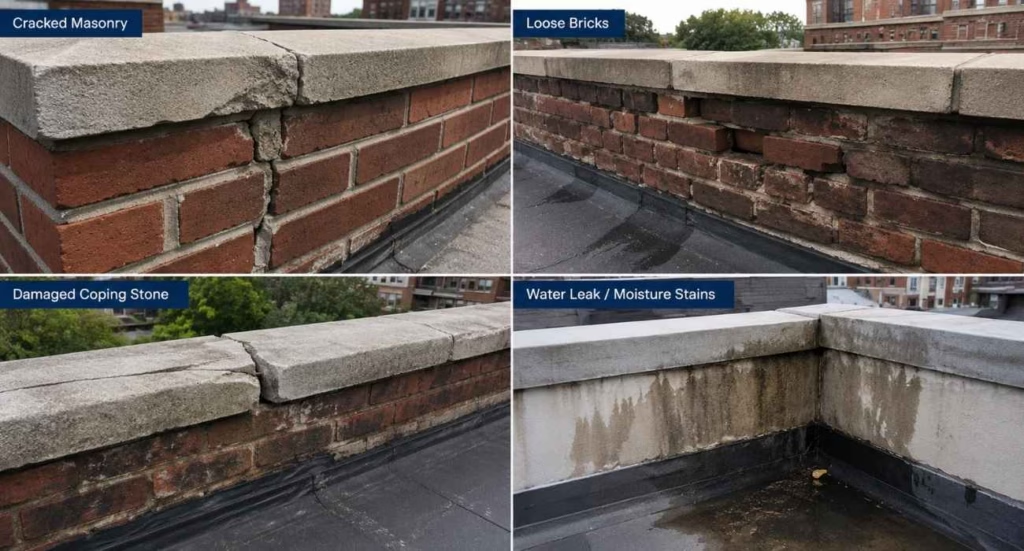
Small exterior problems rarely fix themselves. Identifying damage early can help prevent water intrusion, masonry deterioration, and more expensive structural repairs. If you notice any of the following warning signs, it’s a good idea to schedule a professional inspection.
Leaning or Bulging Sections – Any visible movement or outward bulging should be inspected immediately, as it may signal more serious structural concerns.
Cracked Masonry – Hairline or widening cracks may develop due to weather exposure, building movement, or aging materials. If left untreated, they can allow moisture to penetrate the structure.
Loose Bricks – Bricks that move, separate, or feel unstable can become a safety hazard and often indicate weakened mortar or underlying structural issues.
Deteriorating Mortar Joints – Cracked or crumbling mortar reduces the strength of the masonry and allows water to enter, increasing the risk of further deterioration.
Water Leaks or Moisture Stains – Damp walls, ceiling stains, or recurring leaks near the roofline may indicate failed flashing, damaged waterproofing, or deteriorating masonry.
Parapet Wall Repair Cost in NYC
Parapet wall repair costs depend on size, materials, damage severity, and the type of restoration required.
Average repair costs:
| Service | Estimated Cost |
|---|---|
| Minor crack repairs | $500 – $1,500 |
| Brick repointing | $1,000 – $5,000 |
| Waterproofing repairs | $1,500 – $7,000 |
| Partial rebuilding | $3,000 – $15,000 |
| Complete reconstruction | $10,000 – $30,000+ |
A professional inspection provides the most accurate estimate because hidden moisture or structural problems may affect pricing.
Example NYC Restoration Project
A typical exterior restoration project often starts when property owners notice cracks, loose masonry, or leaks around the roofline.
Example:
Property Type: Multi-story residential building
Observed Issues:
- Cracked masonry joints
- Moisture around roof edges
- Aging exterior materials
- Damaged protective areas
Repair Approach:
The restoration process included removing weakened materials, repairing masonry joints, improving waterproof protection, and restoring damaged sections.
Goal:
Improve safety, prevent moisture problems, and extend the lifespan of the exterior structure.
Every building has different conditions, so inspection is important before selecting a repair method.
Repair vs Replacement: Which Option Is Better?
The best option depends on the condition of the structure.
Repair may work when:
- Damage is minor
- Materials remain stable
- Issues are found early
Replacement may be needed when:
- Structural movement exists
- Large areas are damaged
- Safety is affected
Professional evaluation helps determine the most cost-effective solution.
Waterproofing Methods for Long-Term Protection
Waterproofing is one of the most effective ways to extend the life of a parapet wall.
Common methods include:
- Crack sealing
- Protective coatings
- Flashing repairs
- Coping protection
- Masonry sealing
Preventing water intrusion reduces the risk of expensive repairs.
Step-by-Step Repair Process
Professional restoration follows a detailed process.
1. Inspection
Specialists check cracks, leaks, loose materials, and structural conditions.
2. Finding the Problem Source
The cause of damage is identified before repairs begin.
Problems often come from moisture, aging materials, or drainage issues.
3. Removing Damaged Areas
Weak bricks, mortar, or coatings are carefully removed.
4. Restoration Work
Depending on the damage, work may include:
- Brick replacement
- Repointing
- Waterproofing
- Masonry repair
5. Final Protection
The restored area is finished and protected against future weather exposure.
Residential Building Services
Residential restoration helps protect:
- Roofing systems
- Exterior walls
- Building safety
- Property value
Early maintenance prevents larger repair expenses.
Commercial Building Solutions
Commercial properties require durable exterior maintenance because of larger structures and higher exposure.
Professional restoration protects:
- Apartment buildings
- Offices
- Retail properties
- Industrial facilities
Professional Parapet Wall Services by HTCR Corp
HTCR Corp provides professional parapet wall repair and restoration services throughout New York City.
Our team specializes in:
- Masonry restoration
- Brick replacement
- Waterproofing solutions
- Structural repairs
- Exterior building improvements
We deliver reliable solutions designed to protect NYC residential and commercial properties.
Frequently Asked Questions
What is the purpose of a parapet wall?
A parapet wall extends above the edge of a roof to improve safety, protect the roofing system from weather, help manage water runoff, and enhance a building’s exterior appearance. It is commonly found on flat-roof residential and commercial buildings throughout New York City.
What causes a parapet wall to crack?
Cracks can develop due to moisture infiltration, freeze-thaw cycles, normal building movement, aging masonry, or deteriorating mortar joints. Identifying the underlying cause is important before repairs begin.
Can a damaged parapet wall cause roof leaks?
Yes. Cracked coping stones, damaged flashing, and open mortar joints can allow water to enter the roof system, leading to leaks, moisture damage, and deterioration of surrounding materials.
How often should a parapet wall be inspected?
A professional inspection is recommended at least once a year and after severe storms or harsh winter weather. Regular inspections help identify small issues before they become costly repairs.
Does every parapet wall need waterproofing?
While not every structure requires immediate waterproofing, applying protective waterproofing systems can help reduce moisture penetration, extend the life of the masonry, and minimize future maintenance.
Can a parapet wall be repaired, or does it need to be replaced?
Minor issues such as cracked mortar, loose bricks, or damaged flashing can often be repaired. Replacement is generally recommended only when the structure has extensive deterioration or significant structural movement.
How much does parapet wall repair cost in NYC?
Repair costs vary depending on the extent of the damage, accessibility, building height, and materials involved. Minor repairs may cost a few hundred dollars, while extensive restoration or rebuilding projects can cost significantly more.
What are the first signs of parapet wall damage?
Common early warning signs include cracked masonry, loose bricks, deteriorating mortar joints, damaged coping stones, water stains, and visible movement along the roof edge.
How long does a parapet wall last?
A well-built parapet wall can last for several decades when properly maintained. Regular inspections, timely repairs, and waterproofing help extend its lifespan and reduce the likelihood of major structural issues.
Why is timely repair important?
Delaying repairs allows minor problems to worsen over time. Addressing damage early helps protect the building from water intrusion, preserves the masonry, improves safety, and often reduces overall repair costs.
Final Thoughts
A well-maintained parapet wall plays an important role in protecting your building from water damage, improving roof-edge safety, and extending the life of the exterior structure. Regular inspections, timely repairs, and proper waterproofing can help prevent minor issues from turning into costly restoration projects.
If you’ve noticed cracks, loose bricks, water leaks, or other signs of deterioration, having the structure professionally inspected is the best way to determine the right repair solution. HTCR Corp provides reliable parapet wall repair, masonry restoration, and waterproofing services throughout New York City, helping residential and commercial property owners protect their buildings with long-lasting solutions.
Contact US
Website: www.htcrcorp.com/
Phone: 718-510-6000
Serving: Manhattan, Brooklyn, Queens, The Bronx, Westchester County, and Long Island.
Address: 201 Bay 43rd St 2nd FL Brooklyn, NY 11214