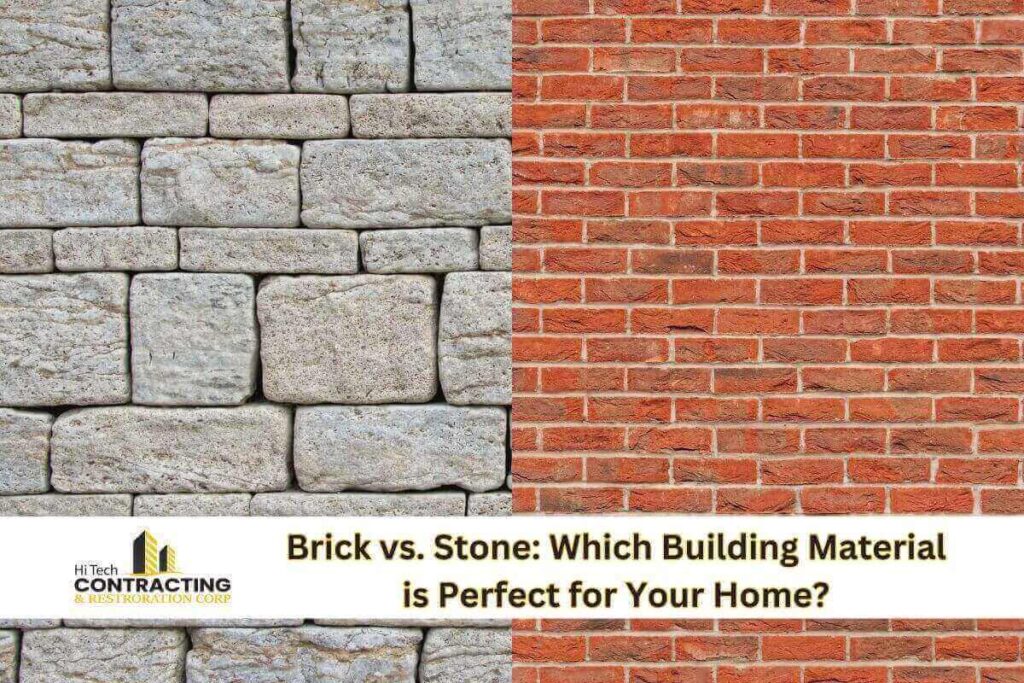
New York City is built on brick, stone, and concrete. From historic brownstones in Brooklyn to high-rise developments in Manhattan, the city’s skyline and streets depend heavily on the expertise of a worker with bricks and mortar. These skilled professionals play a critical role in maintaining NYC’s structural safety, architectural identity, and long-term durability.
This article explores what brick-and-mortar workers do in New York City, the skills and tools they rely on, local construction demands, and why their work remains essential in one of the world’s most demanding construction environments.
Table of Contents
Who Is a Worker With Bricks and Mortar in New York City?
A worker with bricks and mortar in NYC is a construction professional trained to build, repair, and restore structures using bricks, blocks, stone, and mortar. In New York, these workers are commonly referred to as bricklayers or masons and are found across residential, commercial, and municipal projects.
Unlike many other cities, New York has a large number of aging buildings—some over 100 years old—which creates constant demand for skilled brick-and-mortar labor. These workers are responsible not only for new construction but also for maintaining compliance with NYC building codes and preservation standards.
They frequently work on:
- Brownstones and row houses
- Apartment buildings and co-ops
- Commercial storefronts
- Public infrastructure and schools
- Landmark and historic buildings
Responsibilities of a Worker With Bricks and Mortar in NYC
Brick-and-mortar work in New York City requires a high level of precision due to strict regulations, dense urban environments, and older building stock.
Brick and Mortar Preparation
Workers mix and apply mortar appropriate for NYC’s climate, ensuring durability through hot summers, freezing winters, and heavy moisture exposure.
Structural Bricklaying
Bricks and blocks must be laid accurately to support load-bearing walls, foundations, and facades, especially in multi-story buildings.
Facade and Masonry Repairs
NYC’s Facade Inspection and Safety Program (FISP) requires regular building inspections, leading to ongoing repair and restoration work.
Blueprint and Code Compliance
Workers follow architectural plans while adhering to NYC Department of Buildings (DOB) codes and safety regulations.
Job Site Safety
Urban construction sites are tightly controlled, requiring strict adherence to safety procedures to protect workers and the public.
Tools and Materials Used on NYC Construction Sites
A worker with bricks and mortar in New York relies on both traditional tools and modern equipment to meet efficiency and safety standards.
Common Materials
- Clay and concrete bricks
- CMU (concrete masonry units)
- Lime-based and cement mortar
- Stone for restoration projects
Essential Tools
- Mason’s trowel
- Spirit level and laser level
- Mason line and pins
- Jointing tools
- Brick saws and cutters
- Mortar mixers
Safety equipment is mandatory on NYC job sites and includes hard hats, steel-toe boots, gloves, and eye protection.
Skills Required for Brick and Mortar Work in New York City
Working in NYC demands more than basic masonry knowledge. The environment itself requires advanced skill and adaptability.
Precision and Accuracy
Tight spaces and vertical construction leave little margin for error.
Physical Endurance
NYC construction is fast-paced, with long hours and physically demanding tasks.
Knowledge of Building Codes
Understanding local DOB requirements and facade regulations is essential.
Restoration Expertise
Many projects involve matching historic brickwork and mortar colors to preserve architectural integrity.
Team Coordination
Brick-and-mortar workers collaborate with engineers, inspectors, scaffold teams, and contractors daily.
Why Brick and Mortar Work Is Essential in NYC Construction
New York City’s infrastructure depends heavily on brick-and-mortar construction for both safety and longevity.
Structural Safety
Brick walls provide strong load-bearing support in dense urban settings.
Long-Term Durability
Buildings constructed by a skilled worker with bricks and mortar can withstand decades of heavy use and harsh weather.
Fire Resistance
Brick construction offers superior fire protection, a critical factor in NYC building design.
Energy Efficiency
Brick helps regulate indoor temperatures, improving efficiency in older and newer buildings alike.
Preservation of NYC Architecture
From Harlem townhouses to SoHo lofts, brickwork defines the city’s visual identity.
Training and Career Path in New York City
New York offers strong career opportunities for brick-and-mortar professionals due to constant construction and restoration demand.
Apprenticeships
Many workers enter the trade through union or contractor-led apprenticeship programs.
On-the-Job Experience
Hands-on learning is essential for mastering NYC-specific construction challenges.
Certifications and Advancement
Experienced workers may advance to foreman, site supervisor, or specialized restoration roles.
Brick-and-mortar work provides long-term job stability in New York’s construction economy.
Challenges Faced by Brick and Mortar Workers in NYC
Weather Extremes
Cold winters and hot summers affect mortar curing and work schedules.
Limited Space
Crowded sites require careful material handling and planning.
Strict Inspections
Projects must pass frequent inspections, increasing pressure for precision.
Physical Strain
Repeated lifting and extended standing require proper technique and conditioning.
Despite these challenges, experienced workers adapt through skill, planning, and teamwork.
Brick and Mortar Construction in Modern NYC
While steel and glass dominate new skyscrapers, brick-and-mortar construction remains deeply embedded in NYC development.
- Restoration of aging buildings continues year-round
- Sustainable brick materials are increasingly used
- Modern tools improve speed and accuracy
The role of the worker with bricks and mortar continues to evolve but remains essential to the city’s growth and preservation.
Conclusion
In New York City, the worker with bricks and mortar is more than a construction professional—they are a guardian of the city’s safety, durability, and architectural legacy. From restoring historic facades to building modern residential structures, their expertise remains indispensable.
As NYC continues to grow and preserve its iconic skyline, skilled brick-and-mortar workers will remain at the foundation of the city’s future.
Contact US
Website: www.htcrcorp.com/
Phone: 718-510-6000
Serving: Manhattan, Brooklyn, Queens, The Bronx, Westchester County, and Long Island.
Address: 201 Bay 43rd St 2nd FL Brooklyn, NY 11214