Retaining wall blocks are essential for creating stable, attractive, and functional landscapes. They prevent soil erosion, support sloped yards, and add style to gardens, patios, and driveways. Choosing the right type of retaining wall block, understanding installation methods, and knowing costs are crucial for homeowners, landscapers, and contractors. This guide covers everything you need to know about retaining wall blocks, their types, benefits, and maintenance.
What Are Retaining Wall Blocks?
Retaining wall blocks are specially designed bricks or stones used to build walls that hold back soil. Unlike regular bricks, they are engineered for strength, stability, and durability. Retaining walls can be small, decorative barriers or large structural walls for steep slopes. Blocks can be made from concrete, stone, or modular composite materials, each with unique advantages.
Benefits of Using Retaining Wall Blocks
Using retaining wall blocks has multiple advantages:
- Soil Stabilization: Prevents erosion and landslides on slopes.
- Durability: Blocks resist weather, pressure, and water damage.
- Aesthetic Appeal: Available in various colors, shapes, and textures.
- Easy Installation: Modular blocks are simple to stack without mortar.
- Low Maintenance: Once installed, they require minimal upkeep.
Types of Retaining Wall Blocks
Retaining wall blocks come in several types depending on the project requirements.
1. Concrete Retaining Wall Blocks
Concrete blocks are strong and long-lasting. They can withstand heavy soil pressure and are suitable for large landscaping projects. Available in standard, modular, or interlocking designs, concrete blocks are often used for driveways, garden walls, and commercial landscaping.
2. Natural Stone Blocks
Stone blocks like granite, limestone, or sandstone offer a classic and natural look. Stone is highly durable and provides excellent structural support. Stone retaining walls work well for gardens and patios, giving a sophisticated appearance.
3. Modular Retaining Wall Blocks
These blocks are pre-shaped and interlocking, making them easy to install. Modular blocks are ideal for DIY projects and smaller residential walls. They allow flexibility in design and can be stacked in various patterns.
4. Landscape Wall Blocks
Landscape blocks are decorative and functional. They are available in colors and textures that complement outdoor spaces. These blocks are often used for low garden walls, planters, and terraces.
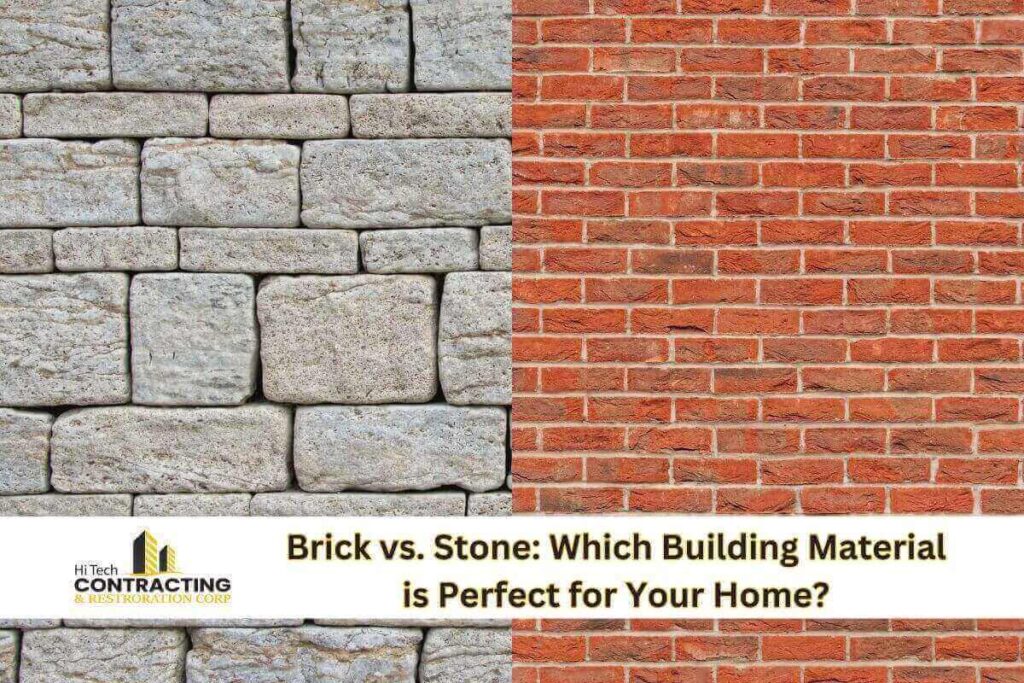
5. Concrete vs Stone Retaining Wall Blocks Comparison
| Feature | Concrete Blocks | Stone Blocks |
|---|---|---|
| Cost | Affordable | Higher cost |
| Durability | High | Very high |
| Installation | Easier | More labor-intensive |
| Appearance | Modern & uniform | Natural & classic |
| Best Use | Structural walls & DIY | Decorative & premium landscaping |
How to Choose the Right Retaining Wall Block
Several factors influence the choice of retaining wall blocks:
- Wall Height: Taller walls require stronger, interlocking blocks.
- Soil Type: Clay, sand, and loam affect block selection.
- Slope Gradient: Steep slopes need reinforced blocks.
- Aesthetic Preference: Choose colors and textures that match your outdoor design.
- Budget: Concrete blocks are cheaper, stone blocks are premium.
Retaining Wall Block Installation
Installing retaining wall blocks requires planning, leveling, and proper drainage.
Step 1: Planning and Design
Determine wall height, length, and layout. Use graph paper or software to visualize placement.
Step 2: Excavation and Base Preparation
Dig a trench slightly wider than the block width. Add a layer of crushed stone or gravel for drainage and stability. Compact the base thoroughly.
Step 3: Laying Blocks
Place the first row carefully. Use a level to ensure alignment. Stagger blocks for interlocking strength.
Step 4: Backfilling and Drainage
Add gravel behind the wall to prevent water pressure buildup. Use perforated pipes for larger walls. Fill remaining space with soil and compact gradually.
Step 5: Finishing Touches
Cap the wall with decorative blocks or stones. Plant ground cover or shrubs for added stability and aesthetics.
Cost of Retaining Wall Blocks
The cost depends on material, wall height, and labor. Average pricing:
| Block Type | Cost per Sq. Ft. | Typical Use |
|---|---|---|
| Concrete | $15 – $25 | DIY & structural walls |
| Stone | $20 – $40 | Decorative walls & premium landscaping |
| Modular | $18 – $30 | Residential & garden walls |
| Landscape | $15 – $28 | Low garden walls & terraces |
Labor adds 50–100% to the material cost for professional installation. DIY installation can save money but requires careful planning.
Maintenance of Retaining Wall Blocks
Proper maintenance ensures long-term performance:
- Inspect for cracks or shifting annually.
- Remove weeds and plants that disrupt block alignment.
- Check drainage to prevent water pressure behind walls.
- Clean blocks with mild soap and water to maintain appearance.
Common Mistakes to Avoid
Retaining walls fail due to poor planning or improper installation. Avoid:
- Using standard bricks instead of retaining wall blocks
- Skipping proper base preparation
- Ignoring drainage and water management
- Overlooking wall reinforcement for taller structures
- Poor backfilling that leads to soil movement
DIY vs Professional Installation
Modular and landscape blocks allow DIY installation for small projects. However, tall or long walls require professional expertise to ensure stability, correct drainage, and safety. Professional contractors guarantee precise alignment and long-term durability.
Conclusion
Retaining wall blocks are a smart solution for soil stabilization, landscape design, and property value improvement. Selecting the right block, planning carefully, and applying proper installation techniques are key to success. Whether you choose concrete, stone, or modular blocks, maintaining your wall ensures it lasts for decades. Investing in high-quality retaining wall blocks provides both beauty and functionality for your outdoor spaces.
Contact US
Website: www.htcrcorp.com/
Phone: 718-510-6000
Serving: Manhattan, Brooklyn, Queens, The Bronx, Westchester County, and Long Island.
Address: 201 Bay 43rd St 2nd FL Brooklyn, NY 11214