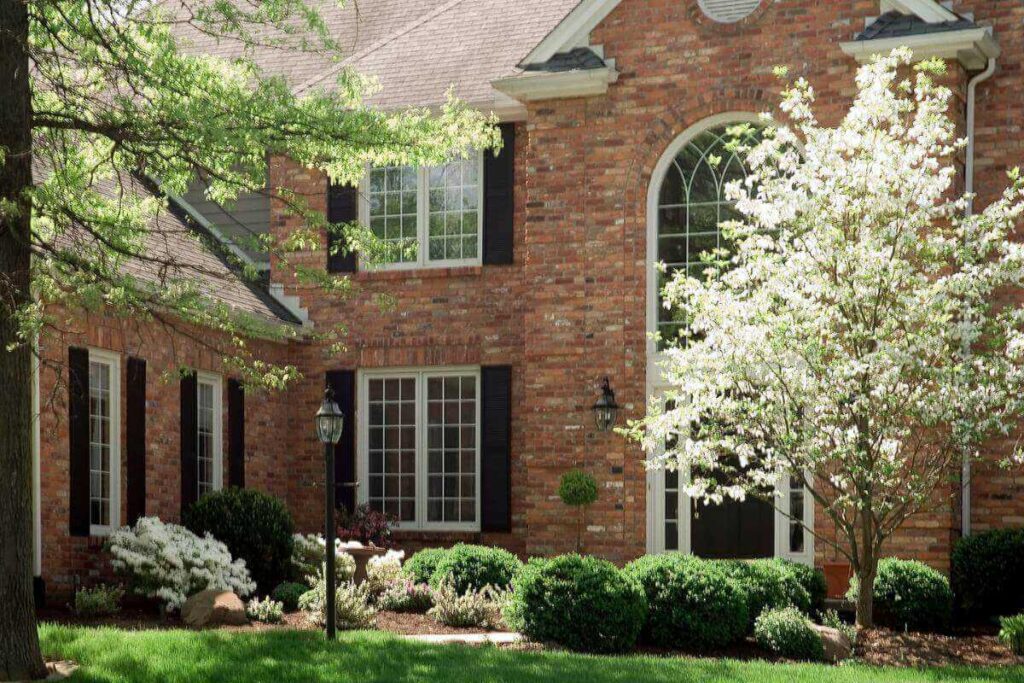
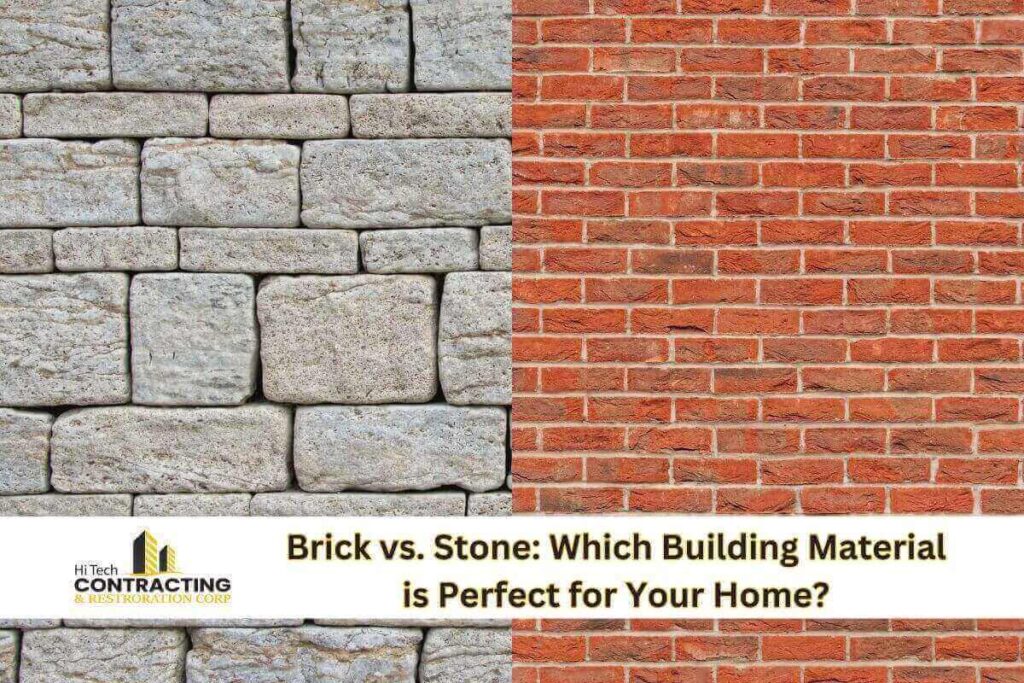
Retaining wall vs brick wall is a common comparison homeowners make when planning landscaping or construction projects. While both structures are built using masonry materials and appear similar, they serve very different purposes. A retaining wall is designed to hold back soil and prevent erosion, while a brick wall is mainly used for structural support or decorative construction.
Understanding the difference between these two wall types helps homeowners choose the right option for their property. In this guide, we’ll explain retaining walls, brick walls, their key differences, costs, benefits, and when each type should be used.
What Is a Retaining Wall?
A retaining wall is a structure built to hold back soil and prevent it from sliding or eroding. These walls are commonly used in landscaping, especially on sloped properties or hillsides.
Retaining walls help stabilize soil and create level surfaces that can be used for gardens, patios, or walkways.
Common retaining wall materials include:
- concrete blocks
- natural stone
- interlocking retaining wall blocks
- poured concrete
- timber
Because retaining walls must support the pressure of soil behind them, they are usually designed with reinforcement and drainage systems to prevent water buildup.
Retaining walls are often used for:
- hillside landscaping
- garden terraces
- erosion control
- leveling sloped yards
What Is a Brick Wall?
A brick wall is a masonry structure built using bricks and mortar. Brick walls are commonly used in buildings and property boundaries because they provide strength, durability, and a classic architectural appearance.
Brick walls are often used in both residential and commercial construction.
Common uses for brick walls include:
- house exterior walls
- boundary or fence walls
- decorative garden walls
- structural building walls
Brick walls are known for their durability, fire resistance, and long lifespan, which is why they remain a popular construction material worldwide.
Key Differences Between Retaining Wall vs Brick Wall
Although both walls may look similar, their design, purpose, and construction methods are very different.
| Feature | Retaining Wall | Brick Wall |
|---|---|---|
| Purpose | Holds back soil and prevents erosion | Structural or decorative construction |
| Materials | Concrete blocks, stone, timber | Bricks and mortar |
| Drainage | Requires drainage system | Usually not required |
| Pressure Resistance | Built to resist soil pressure | Built to support structures |
| Common Use | Landscaping and slopes | Buildings and boundary walls |
The biggest difference is that retaining walls are engineered to resist soil pressure, while brick walls are typically built for structural or decorative purposes.
Cost Comparison: Retaining Wall vs Brick Wall
The cost of building either type of wall depends on materials, labor, wall height, and location.
Below is a general cost comparison.
| Wall Type | Average Cost |
|---|---|
| Retaining Wall | $20 – $60 per square foot |
| Brick Wall | $25 – $75 per square foot |
Retaining walls can sometimes be less expensive because they are often built with concrete blocks or interlocking retaining wall blocks, which are faster to install.
Brick walls, however, require skilled masonry work, which can increase labor costs.
Advantages of Retaining Walls
Retaining walls provide several important benefits for landscaping and soil stabilization.
Prevent Soil Erosion
Retaining walls hold back soil and prevent erosion on sloped properties. This helps maintain landscape stability.
Improve Landscape Design
These walls allow homeowners to create multi-level gardens, terraces, and patios that improve outdoor space.
Increase Property Value
A well-built retaining wall can improve curb appeal and increase property value.
Manage Water Drainage
Retaining walls often include drainage systems that prevent water accumulation behind the wall.
Advantages of Brick Walls
Brick walls are widely used because of their strength, durability, and aesthetic appeal.
Long Lifespan
Brick walls can last 50 to 100 years or more when properly maintained.
Strong Structural Support
Brick masonry provides excellent strength, making it ideal for building walls and structural support.
Classic Appearance
Brick walls have a timeless architectural look that complements many types of homes.
Low Maintenance
Unlike wood or metal walls, brick walls require minimal maintenance over time.
When Should You Choose a Retaining Wall?
A retaining wall is the best option when the main goal is to control soil movement or support landscaping features.
You should choose a retaining wall if:
- your property has a slope or hillside
- you want to prevent soil erosion
- you need to create level landscaping areas
- you want to build garden terraces
Retaining walls are commonly used in landscaping projects where soil stability is important.
When Should You Choose a Brick Wall?
A brick wall is a better option when the goal is structural support or decorative construction.
Choose a brick wall if you need:
- exterior house walls
- boundary walls or fences
- decorative garden walls
- long-lasting masonry structures
Brick walls are particularly popular for residential buildings because they combine durability with attractive design.
Can a Brick Wall Be Used as a Retaining Wall?
In some cases, a brick retaining wall can be built to hold back soil. However, it must be designed carefully to handle soil pressure.
A proper brick retaining wall requires:
- reinforced masonry construction
- proper drainage systems
- strong foundations
Without these elements, the wall may eventually crack or fail due to soil pressure.
For heavy soil loads, concrete retaining wall blocks are usually a safer option.
Maintenance Tips for Retaining and Brick Walls
Both wall types require basic maintenance to ensure long-term durability.
Inspect for Cracks
Regularly check for cracks or structural damage.
Maintain Drainage Systems
Retaining walls should have proper drainage to prevent water buildup behind the wall.
Repair Mortar Joints
Brick walls may need repointing if mortar joints deteriorate over time.
Remove Vegetation
Plants and tree roots can damage both retaining walls and brick walls.
Frequently Asked Questions
What is the main difference between retaining wall vs brick wall?
A retaining wall is designed to hold back soil and prevent erosion, while a brick wall is primarily used for structural or decorative construction.
Is a brick retaining wall strong enough?
Yes, a brick retaining wall can be strong if it is properly reinforced and designed with drainage systems.
Which wall is cheaper to build?
Retaining walls are usually slightly cheaper because they often use concrete blocks that are easier to install.
Can retaining walls increase property value?
Yes. Retaining walls can improve landscaping, prevent erosion, and increase the overall value of a property.
Final Thoughts
When comparing retaining wall vs brick wall, the best option depends on the purpose of the structure. Retaining walls are designed to stabilize soil and prevent erosion, while brick walls provide strong structural support and attractive architectural features.
Understanding these differences allows homeowners to choose the right solution for their landscaping or construction needs. Whether you are planning a garden terrace or building a boundary wall, selecting the correct wall type ensures long-lasting durability and safety.
Contact US
Website: www.htcrcorp.com/
Phone: 718-510-6000
Serving: Manhattan, Brooklyn, Queens, The Bronx, Westchester County, and Long Island.
Address: 201 Bay 43rd St 2nd FL Brooklyn, NY 11214