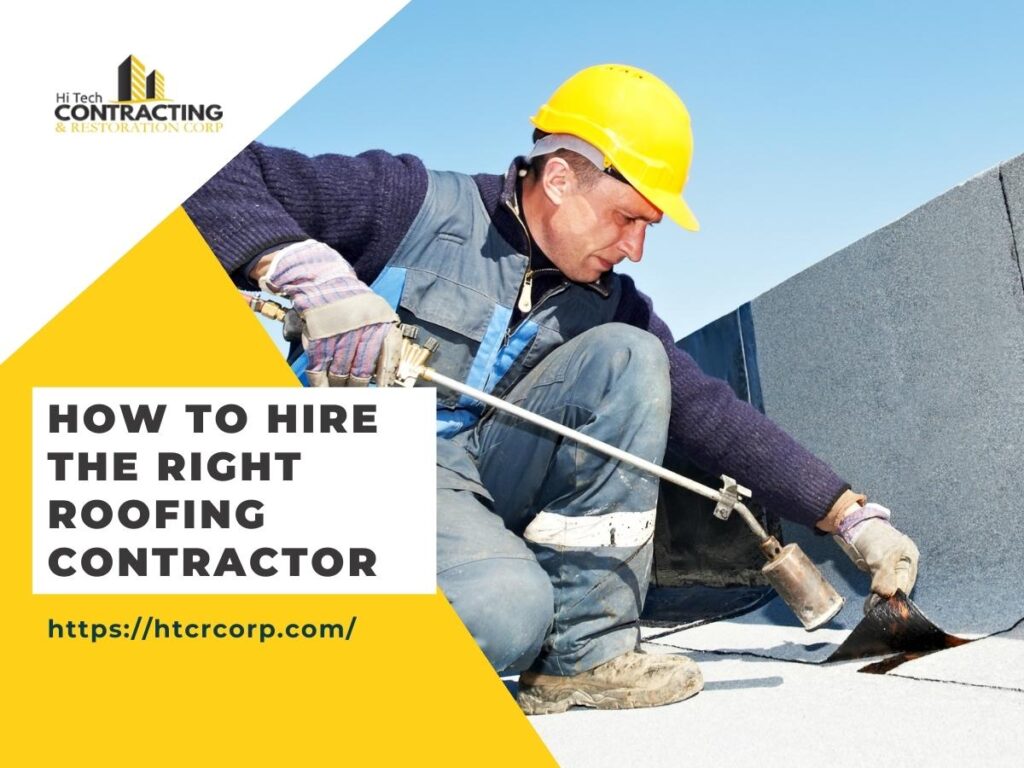
Roof pressure washing is one of the best ways to clean your roof and protect it. Over time, dirt, moss, algae, and black streaks start to build up on roofs.This not only makes your home look old but can also damage your roof.
This is where roof pressure washing becomes important.
A clean roof improves your home’s appearance and helps your roofing materials last longer. But many homeowners still ask questions like
- Should I pressure wash roof surfaces?
- Can you pressure wash shingle roof materials safely?
In this guide, we will explain everything in simple words so you can make the right decision for your home.

What Is Roof Pressure Washing?
Roof pressure washing is the process of using a high powered water spray to remove dirt, algae, moss, lichen, and stains from your roof surface.Professional cleaners use special tools and the correct water pressure to avoid damage.
The goal is not just to make the roof look clean. It also helps protect the structure and increase the life of the roof. It is a popular choice for homeowners who want to:
- Improve their home’s curb appeal
- Remove harmful growths like moss and algae
- Extend the life of their roof
- Prepare their roof for inspection or selling
When done correctly, pressure washing a roof can make it look brand new. It can also save you thousands of dollars in early roof replacement costs.
Why Does Your Roof Get So Dirty?
Before we talk about cleaning, let’s understand why roofs get dirty in the first place.
Your roof is exposed to the elements 24/7. Over time, these things build up:
- Algae: Shows up as black or dark green streaks. Very common in humid climates.
- Moss: Grows in damp, shaded areas. It holds moisture and can damage shingles.
- Lichen: A mix of algae and fungus. Hard to remove and very damaging.
- Dirt and debris: Dust, leaves, and pollution settle on the roof over time.
- Mold and mildew: Thrive in wet conditions and spread quickly.
These growths are not just ugly. They trap moisture against your roof. This leads to rot, cracking, and a shorter roof lifespan.
Benefits of Roof Pressure Washing
There are many good reasons to schedule roof cleaning.
1. Improves Curb Appeal
A clean roof makes your entire home look fresh and well maintained.
This is especially helpful if you plan to sell your house.
2. Increases Roof Life
Moss and algae trap moisture. Moisture weakens roofing materials over time.
Cleaning removes these harmful elements and helps your roof last longer.
3. Prevents Expensive Repairs
Small problems become big problems when ignored.
Regular cleaning helps spot damage early and saves repair costs.
4. Improves Energy Efficiency
Dark stains absorb more heat. This makes your home hotter.
A clean roof reflects heat better and may lower cooling bills.
Which Roofs Can Be Pressure Washed?
Not all roofs are the same. Here is a quick breakdown:
| Roof Type | Pressure Washing Safe? | Best Method |
| Asphalt Shingles | With caution | Soft wash recommended |
| Metal Roof | Yes | Low to medium pressure |
| Tile Roof | Yes | Low pressure + cleaning solution |
| Cedar Shake | No | Soft wash only |
| Flat/EPDM Roof | Sometimes | Professional only |
When in doubt, hire a professional. They will know the right pressure and cleaning method for your specific roof.
How to Pressure Wash a Roof: Step-by-Step
If you decide to pressure wash your roof yourself, follow these steps carefully.
What You Will Need
- Pressure washer (1,200–1,500 PSI for shingles up to 2,500 PSI for tile or metal)
- Low pressure nozzle (25° or 40° tip)
- Roof cleaning solution
- Garden hose
- Safety harness and non-slip shoes
- Safety goggles and gloves
Step 1: Inspect Your Roof First
Before you start look for:
- Cracked or missing shingles
- Damaged flashing
- Clogged gutters
Fix any issues before washing. Pressure washing a damaged roof can make things worse.
Step 2: Protect Your Surroundings
- Cover plants, shrubs, and garden beds with plastic sheeting
- Close all windows and doors
- Move outdoor furniture away from the area
Cleaning solutions can harm plants. Water runoff can also carry debris into your yard.
Step 3: Apply a Cleaning Solution
Spray a roof-safe cleaning solution onto the surface. Let it sit for 10–15 minutes. This will loosen moss, algae, and dirt before you rinse.
Step 4: Rinse With Low Pressure
Rinse from top to bottom. Always spray downward — never upward. Spraying up under the shingles can cause water damage and leaks.
Use a wide-angle nozzle to spread the water flow. This reduces the force on any single spot.
Step 5: Check for Remaining Stains
Some stains may need a second treatment. Stubborn moss or lichen might need to be brushed away gently before rinsing again.
Step 6: Clean Your Gutters
After washing the roof, clean out your gutters. A lot of debris will have washed down. Clogged gutters can cause water damage to your home’s foundation.
Roof How Often Should You Pressure Wash Your Roof?
There is no one-size-fits-all answer. It depends on your climate, tree coverage, and roof material.
General guidelines:
- Every 1–2 years if you live in a humid or rainy climate
- Every 2–3 years in drier climates
- Immediately if you notice visible moss, algae, or dark staining
Do not wait until your roof looks terrible. Catching buildup early makes cleaning easier and cheaper. Pressure Washing vs. Roof Replacement
Can You Pressure Wash a Shingle Roof?
This is one of the most common questions homeowners ask. And the answer is: yes, but with caution.
The Risk With Shingle Roofs
Asphalt shingles are the most popular roofing material in the US. They are durable, but they are not invincible.
High-pressure water can:
- Strip away the protective granules on shingles
- Loosen or crack shingles
- Force water under the shingles, causing leaks
- Void your roof warranty
The Safer Alternative: Soft Washing
For shingle roofs, many experts recommend soft washing instead of full-pressure washing. Soft washing uses:
- Lower water pressure
- A special cleaning solution (usually a mix of water and sodium hypochlorite)
- A gentle rinse to remove grime
This method is much safer for asphalt shingles. It kills algae and moss at the root without causing physical damage.
When to Call a Professional
DIY roof washing works for some homeowners. But in many cases, it is better to hire a pro.
- Your roof is steep or hard to access safely
- You are not comfortable working at heights
- Your roof has delicate materials like cedar or slate
- The moss or algae growth is severe
- You are unsure about the right pressure or method
Professional roof cleaners have the right equipment and experience. They also carry insurance, which protects you if anything goes wrong.
How Much Does It Cost To Pressure Wash Your Roof?
Cost is one of the first things homeowners want to know. The good news is that roof pressure washing is very affordable compared to roof repairs or replacement.
| Average Cost by Method | |
| Cleaning Method | Average Cost |
| DIY Pressure Washing | $50 – $150 |
| Professional Soft Wash | $250 – $600 |
| Professional Pressure Wash | $300 – $700 |
| Large or Complex Roofs | $700 – $1,000+ |
Final Thoughts
Roof pressure washing is a smart investment for any homeowner. It keeps your roof clean, extends its life, and protects your home from costly damage.
Just remember not all roofs are the same. Shingle roofs need a gentler approach. Always use the right pressure and the right technique.
Whether you do it yourself or hire a professional, clean your roof regularly. Your home will look better, last longer, and stay in great shape for years to come.
Contact US
Website: www.htcrcorp.com/
Phone: 718-510-6000
Serving: Manhattan, Brooklyn, Queens, The Bronx, Westchester County, and Long Island.
Address:201 Bay 43rd St 2nd FL Brooklyn, NY 11214