
Roof shingles protect your home from rain, wind, snow, and other weather conditions. When shingles become cracked, loose, curled, or missing, even a small problem can allow water to reach the layers underneath.
Fortunately, not every damaged roof needs to be replaced. Minor shingle damage can often be repaired when it is found early. The key is knowing what to look for and understanding when professional shingle roof repair is the better option.
For homeowners in New York City, regular roof inspections are especially important. Heavy rain, strong winds, snow, and freeze-thaw cycles can gradually weaken asphalt shingles and other roofing materials.
What Is Shingle Roof Repair?
Shingle roof repair involves fixing localized damage to the shingles or nearby roofing components without replacing the entire roof.
Depending on the problem, a roofing contractor may replace individual shingles, repair damaged flashing, secure loose shingles, reseal exposed areas, or address the source of a roof leak.
The correct repair depends on the type and extent of the damage.
Signs Your Roof Shingles Need Repair
Some roof problems are easy to see, while others may first appear inside your home.
Look for these warning signs:
- Missing or loose shingles
- Cracked or split shingles
- Curling or buckling edges
- Bald spots where granules are missing
- Damaged or deteriorated flashing
- Water stains on ceilings or walls
- Damp areas in the attic
- Shingle pieces around the property
- Daylight visible through the roof deck
- Recurring leaks after rain
Finding damage early can help prevent a small roofing issue from becoming a larger repair.
Common Types of Shingle Damage
Missing Shingles
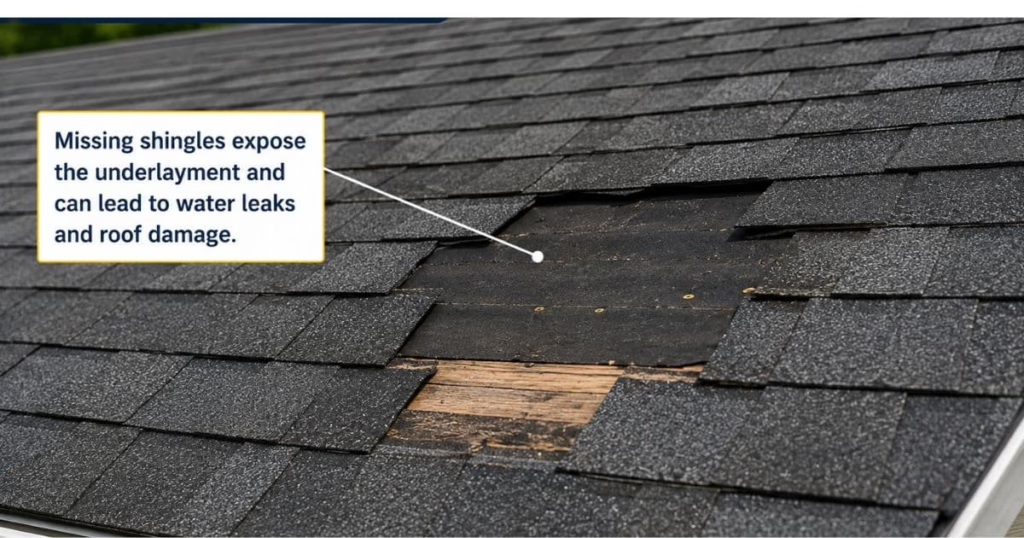
High winds can loosen or remove shingles from a roof. The exposed area can allow water to reach the underlayment and roof deck.
A missing shingle should be replaced rather than left exposed.
Cracked or Split Shingles
Age, weather, impact, and temperature changes can cause shingles to crack. A few isolated damaged shingles may be repairable, but widespread cracking can indicate that the roof is deteriorating.
Curling or Buckling
Shingles that curl at the edges or buckle across the surface may no longer provide proper protection.
Poor ventilation, moisture, installation problems, and aging can contribute to this type of damage.
Granule Loss
Asphalt shingles have protective granules on their surface. Some granule loss is normal as a roof ages, but large areas of exposed material or excessive granules in gutters may indicate significant wear.
Damaged Flashing
Flashing helps protect areas where the roof meets walls, chimneys, vents, and other structures.
Damaged flashing can allow water to enter even when the surrounding shingles appear to be in good condition.
Can a Single Damaged Shingle Be Replaced?
Yes. If the damage is limited to one or a few shingles, a roofing professional can often remove the damaged pieces and install matching replacements.
The new shingles should be properly secured and integrated with the surrounding roofing materials.
However, matching older shingles can sometimes be difficult because roofing materials fade over time. A professional can assess whether individual replacement is practical and whether the surrounding roof is still in good condition.
Shingle Roof Repair vs. Roof Replacement
Not every damaged roof requires complete replacement.
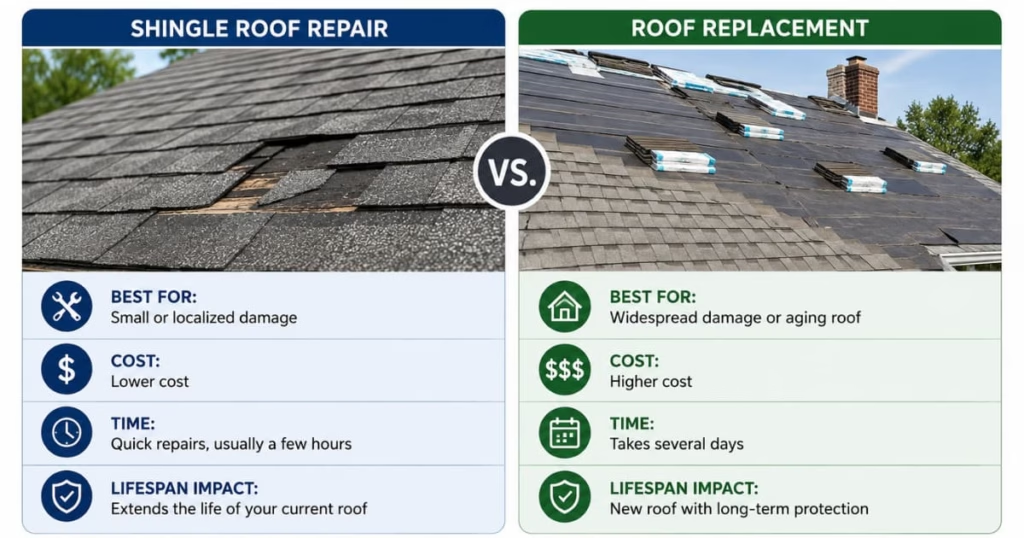
Repair may make sense when:
- Damage is limited to a small area
- Most shingles are still in good condition
- The roof is relatively young
- There is no widespread moisture damage
- The underlying roof structure remains sound
Replacement may be more appropriate when:
- Damage is widespread
- Shingles are deteriorating across large sections
- The roof has reached the end of its expected service life
- Leaks continue after previous repairs
- The roof deck or underlying materials have significant water damage
- There are repeated problems in multiple areas
A professional inspection can help determine whether repairing individual shingles is worthwhile or whether replacement provides better long-term value.
How Professional Shingle Roof Repair Works
A proper repair begins with finding the actual source of the problem.
1. Roof Inspection
The contractor examines the shingles, flashing, roof edges, penetrations, and other visible components.
2. Damage Assessment
The damaged area is evaluated to determine whether the problem is limited to the shingle or extends underneath it.
3. Removal of Damaged Material
Loose or damaged shingles are carefully removed without unnecessarily disturbing nearby roofing materials.
4. Replacement or Repair
Matching shingles or suitable roofing materials are installed and secured according to the roofing system requirements.
5. Inspection of the Finished Repair
The repaired area is checked to make sure shingles are properly positioned and the surrounding components remain secure.
If water has entered the roof assembly, additional work may be necessary.
How Much Does Shingle Roof Repair Cost?
The cost of shingle roof repair varies from one property to another. There is no single price that applies to every repair.
Common cost factors include:
- Number of damaged shingles
- Type of roofing material
- Roof size and pitch
- Accessibility
- Labor requirements
- Flashing or vent repairs
- Underlying water damage
- Whether matching replacement shingles are available
- Local roofing conditions
A small repair may be relatively straightforward, while a leak involving damaged underlayment or roof decking can require more extensive work.
For an accurate estimate, have the roof inspected rather than relying only on a general online price.
How NYC Weather Can Damage Roof Shingles
New York City roofs experience changing weather throughout the year.
Strong winds can lift or loosen shingles. Heavy rain can expose weak areas, while snow and repeated freeze-thaw cycles can contribute to deterioration.
Sun exposure can also age roofing materials over time.
Because of these conditions, homeowners should pay particular attention to their roofs after major storms and address visible damage promptly.
How to Prevent Future Shingle Damage
Regular maintenance can help extend the useful life of your roof.
Inspect After Severe Weather
Check for missing shingles, visible damage, and debris after strong wind, heavy rain, or snow.
Keep Gutters Clear
Blocked gutters can contribute to water buildup around roof edges and other drainage problems.
Trim Nearby Branches
Branches that rub against shingles can cause surface damage. Overhanging limbs can also fall during storms.
Maintain Proper Roof Ventilation
Adequate attic ventilation can help manage heat and moisture and support the performance of the roofing system.
Address Small Problems Early
A loose shingle or minor flashing issue is easier to address before it develops into a larger leak.
When Should You Call a Roofing Contractor?
Contact a professional roofing contractor if you notice active leaks, missing shingles, widespread damage, repeated roof problems, or signs of moisture in the attic.
Roof work can also be dangerous, particularly on steep or multi-story homes. Professional inspection and repair can reduce the risk of injury while helping identify damage that may not be visible from the ground.
Frequently Asked Questions
Can damaged roof shingles cause leaks?
Yes. Missing, cracked, lifted, or badly deteriorated shingles can allow water to reach the roofing layers underneath.
Can I replace one roof shingle?
In many cases, yes. Individual shingles can often be replaced when the surrounding roof is still in good condition.
How long does shingle roof repair take?
A small repair may be completed relatively quickly, while larger repairs involving flashing, underlayment, or roof decking can take longer. The time depends on the extent of the damage and site conditions.
Should I repair or replace my shingle roof?
If the damage is isolated and the rest of the roof remains healthy, repair may be appropriate. Widespread deterioration, recurring leaks, or an aging roof may make replacement a better long-term option.
Can I repair roof shingles myself?
Small repairs may appear simple, but working on a roof involves fall risks and can cause additional damage if materials are installed incorrectly. Professional help is recommended when the roof is difficult to access or the damage is more than superficial.
How often should a shingle roof be inspected?
A roof should be checked periodically and after significant storms. The appropriate inspection schedule depends on the roof’s age, condition, material, and local weather exposure.
Get Professional Shingle Roof Repair in NYC
Damaged shingles should not be ignored. A small roofing problem can become more expensive when water reaches the underlayment, insulation, or roof deck.
HTCR Corp provides professional roofing and exterior restoration services for properties throughout New York City and surrounding areas. Whether you have a few damaged shingles, a roof leak, or more extensive roofing concerns, our team can assess the condition of your roof and recommend the appropriate solution.
Contact US
Website: www.htcrcorp.com/
Phone: 718-510-6000
Serving: Manhattan, Brooklyn, Queens, The Bronx, Westchester County, and Long Island.
Address: 201 Bay 43rd St 2nd FL Brooklyn, NY 11214

