
A 20×20 paver patio covers 400 square feet, making it a popular size for homeowners who want enough room for outdoor dining, seating, grilling, and entertaining.
So, how much does a 20×20 paver patio cost?
In 2026, a professionally installed 20×20 paver patio can commonly fall around $6,000 to $14,000, although the actual price can be lower or considerably higher depending on the paver material, site preparation, labor, drainage, design, and other project requirements. Current cost guides show broad installed ranges because patio conditions and material choices vary significantly. (Carolina Paver & Turf)
The easiest way to understand your potential cost is to start with the patio’s size and then look at the individual factors that make up the final estimate.
How Big Is a 20×20 Paver Patio?
A 20×20 patio is calculated by multiplying the length by the width:
20 feet × 20 feet = 400 square feet
That means you will need enough pavers, base material, bedding sand, joint material, and edging to cover approximately 400 square feet.
It is also smart to account for some additional pavers because cutting, breakage, and future repairs can require extra material. A common estimating practice is to purchase approximately 10% extra paver material.
A 20×20 patio provides plenty of space for a large dining table, outdoor chairs, a grill, lounge furniture, or even a designated fire-pit area.
Average Cost of a 20×20 Paver Patio
The cost of a 400-square-foot patio depends heavily on the type of paver and installation conditions.
| Patio Type | Approximate Installed Cost |
|---|---|
| Basic concrete pavers | $6,000–$8,500 |
| Mid-range pavers | $8,500–$11,000 |
| Premium pavers | $11,000–$14,000+ |
| Natural stone or high-end designs | $14,000+ |
These are general budgeting ranges, not a fixed quote. Current published estimates for paver patios vary considerably, with professional installation commonly ranging from roughly $8 to $25 per square foot and premium materials or complex projects reaching substantially higher.
For a 400-square-foot patio, even a difference of $5 per square foot changes the project total by about $2,000. That’s why choosing materials and understanding site preparation are so important.
Paver Patio Cost Per Square Foot
Most contractors estimate patio projects by square foot.
For example, if your installation is estimated at:
$15 per square foot × 400 square feet = $6,000
At:
$20 per square foot × 400 square feet = $8,000
And at:
$30 per square foot × 400 square feet = $12,000
Current 2026 cost sources place typical installed paver patio pricing in a broad range, with concrete pavers generally costing less than brick, natural stone, and other premium materials.
The quoted price should be evaluated based on what is included, not just the price per square foot.
What Is Included in the Cost?
A professional paver patio installation involves much more than simply placing pavers on the ground.
Site Preparation
The existing ground needs to be prepared before the pavers can be installed. Depending on the property, this may involve removing grass, soil, an old patio, or other materials.
The area may then need to be excavated and properly graded.
Poor preparation can eventually lead to sinking, uneven pavers, standing water, and other problems.
Base Material
A strong base is one of the most important parts of a paver patio.
Typically, layers of compacted aggregate are installed beneath the pavers. The exact depth depends on the soil, climate, drainage requirements, and intended use of the patio.
Cost guides identify excavation, base preparation, grading, and compaction as major contributors to the overall project price.
Bedding Sand
A properly prepared bedding layer helps create a stable surface for the pavers.
The sand needs to be installed and leveled correctly so the finished patio has a consistent surface.
Pavers
The pavers themselves can represent a significant portion of the budget.
Basic concrete pavers are generally more affordable, while premium designs, natural stone, and specialty materials can increase the total cost substantially.
Edge Restraints
Edge restraints help keep the pavers from spreading or shifting outward over time.
The type of edging selected and the total perimeter of the patio can affect the final price.
Joint Sand
After the pavers are installed, joint material is swept into the spaces between them. Depending on the system selected, polymeric sand may be used to help stabilize the joints.
Labor and Equipment
Professional installation includes the labor required for excavation, grading, base preparation, compaction, cutting, laying pavers, edging, joint treatment, cleanup, and other installation tasks.
Labor alone can account for a substantial portion of the total project cost.
Factors That Affect the Cost of a 20×20 Patio
Two homeowners can have the same 20×20 patio size but receive very different estimates.
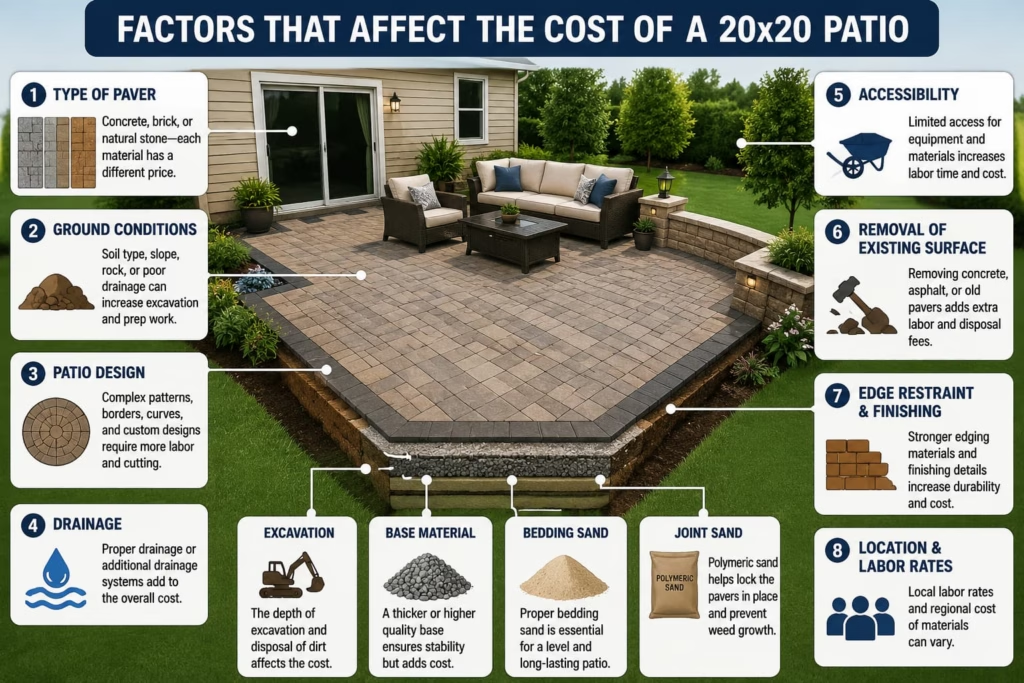
Here are some of the biggest factors.
1. Type of Paver
Concrete pavers are generally one of the more economical options.
Brick and clay pavers can provide a traditional appearance, while natural stone offers a more distinctive premium look.
Natural stone can cost considerably more than standard concrete pavers, particularly when premium materials and detailed installation are involved.
2. Ground Conditions
A flat, accessible yard with good soil conditions is generally easier to prepare.
If the property has poor drainage, steep slopes, difficult soil, roots, or an existing concrete patio that must be removed, preparation can take significantly more time.
3. Patio Design
A simple rectangular layout is generally easier to install than an intricate design.
Herringbone patterns, borders, curves, circles, contrasting paver colors, and custom designs can increase labor and cutting requirements.
4. Drainage
Water needs to move away from the patio and surrounding structures.
If the existing property does not drain properly, additional grading or drainage solutions may be necessary. These additions can increase the project cost but can help protect the patio and nearby areas from water-related problems.
5. Accessibility
The distance between the work area and the location where materials can be delivered can also affect labor and equipment requirements.
A backyard with easy equipment access may be simpler to work on than a property where everything must be moved manually through a narrow passage.
6. Removal of an Existing Surface
If you already have concrete, old pavers, asphalt, or another surface where the new patio will be installed, demolition and disposal may add to the cost.
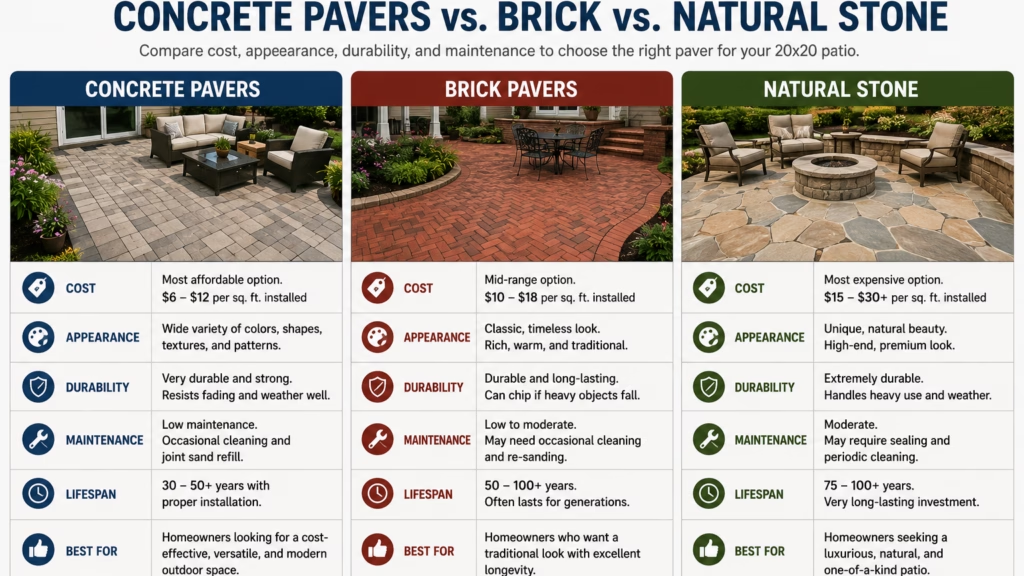
Concrete Pavers vs. Brick vs. Natural Stone
Choosing the right material is one of the biggest decisions you’ll make.
Concrete Pavers
Concrete pavers are popular because they offer many colors, shapes, textures, and patterns.
They can provide a good balance between appearance and cost, making them a practical choice for many homeowners.
Brick Pavers
Brick pavers provide a classic appearance and can work particularly well with traditional-style homes.
They generally cost more than basic concrete pavers, but their appearance can make them attractive for homeowners who want a timeless outdoor space.
Natural Stone
Natural stone provides a premium, distinctive appearance.
However, material and installation costs can be significantly higher. Natural stone is often selected when appearance and high-end design are more important than keeping the project at the lowest possible price.
How Much Does Labor Cost?
Labor costs depend on the contractor, location, site conditions, design, and amount of preparation required.
Published 2026 estimates put professional paver installation labor around $6–$11 per square foot in many cases, although actual local pricing can differ.
For 400 square feet, that could represent roughly:
400 × $6 = $2,400
to
400 × $11 = $4,400
But labor shouldn’t be considered separately from the entire installation. A professional estimate may combine excavation, equipment, base preparation, installation, cleanup, and other project costs.
How to Save Money on a 20×20 Paver Patio
You don’t necessarily need the most expensive materials to create an attractive patio.
Start by choosing a straightforward rectangular layout. Complex patterns and numerous borders can increase cutting and installation time.
Standard concrete pavers can also provide an attractive appearance without the higher material cost of premium natural stone.
Another way to control your budget is to prepare the design before construction begins. Changing the layout or materials after installation has started can create additional labor and material costs.
Most importantly, don’t sacrifice the base preparation simply to reduce the initial price. A poorly prepared base can lead to movement, uneven surfaces, and drainage problems later.
Can You Install a 20×20 Paver Patio Yourself?
DIY installation can reduce labor expenses, but a 400-square-foot patio is a substantial project.
You’ll need to handle excavation, material transportation, grading, compaction, base installation, leveling, cutting, paver placement, edging, and joint finishing.
You’ll also need equipment such as a plate compactor and tools for excavation and cutting.
Some current estimates suggest DIY installation can save a significant portion of the labor cost, but the project requires considerable physical work and careful preparation.
For homeowners without previous hardscaping experience, professional installation can be worthwhile because the foundation and drainage work are critical to the long-term performance of the patio.
How Long Does a Paver Patio Last?
A properly installed paver patio can provide many years of service.
Its lifespan depends on the paver material, installation quality, drainage, soil conditions, climate, and maintenance.
One of the advantages of individual pavers is that damaged sections can generally be removed and replaced without tearing out the entire patio.
Routine maintenance can include sweeping, removing weeds, cleaning stains, checking joints, and addressing minor movement before it becomes a larger problem.
Is a 20×20 Paver Patio Worth the Cost?
For homeowners who regularly use their backyard, a 20×20 patio can be a valuable improvement.
The 400-square-foot space is large enough to create multiple outdoor zones while still being manageable for many residential properties.
You can use one section for dining, another for comfortable seating, and leave additional space for a grill, fire feature, or outdoor activities.
The key is to balance your design goals with the available budget.
A simple, professionally installed patio with quality materials can often provide a better long-term result than an inexpensive installation that cuts corners on excavation, drainage, or base preparation.
Frequently Asked Questions
How much does a 20×20 paver patio cost?
A 20×20 paver patio contains 400 square feet. A reasonable 2026 budgeting range for professional installation is approximately $6,000 to $14,000, with premium materials, difficult site conditions, and complex designs potentially costing more. Published estimates vary widely by region and project specifications.
How many square feet is a 20×20 patio?
A 20×20 patio is 400 square feet.
Is it cheaper to use pavers or concrete?
Basic poured concrete is often less expensive initially, while pavers can provide more design flexibility and allow individual damaged units to be replaced. The best option depends on your budget, design preferences, maintenance expectations, and property conditions.
What is the biggest factor in paver patio cost?
The biggest factors are usually patio size, paver material, site preparation, labor, drainage, accessibility, and design complexity.
Should I buy extra pavers?
Yes. It is generally smart to purchase additional material to account for cutting, breakage, and future repairs. Around 10% extra is a commonly used planning allowance, although the appropriate amount depends on the layout and paver size.
Can pavers be installed over an existing concrete patio?
In some situations, pavers can be installed over existing concrete, but it depends on the condition, drainage, height constraints, and overall site. A professional should evaluate the existing surface before deciding whether overlay installation is appropriate.
Final Thoughts
A 20×20 paver patio gives you 400 square feet of outdoor living space, but the final price depends on much more than the number of pavers required.
For 2026, homeowners should generally budget around $6,000 to $14,000 for a professionally installed 20×20 paver patio, while recognizing that material selection, site preparation, drainage, design complexity, and local labor rates can move the price outside this range.
The best way to get an accurate price is to have the property evaluated and receive a detailed estimate that explains the materials, preparation, labor, drainage, and finishing work included in the project.
If you’re planning a new patio and want a durable, attractive outdoor space, HTCR Corp. can help you evaluate your project and determine the right approach for your property.
Contact US
Website: www.htcrcorp.com/
Phone: 718-510-6000
Serving: Manhattan, Brooklyn, Queens, The Bronx, Westchester County, and Long Island.
Address: 201 Bay 43rd St 2nd FL Brooklyn, NY 11214