When building or renovating a home, choosing the right siding for houses is very important. Siding is not only the outer look of the home, but it also protects the house from rain, heat, wind, and other weather conditions.
Different types of siding for houses can change the style, safety, and comfort of a home. It also affects maintenance costs and how long the exterior will last.
According to recent reports, the average cost to replace siding is around $11,500. Most homeowners spend between $5,500 and $17,500 depending on the material and labor. Some siding options are affordable, while others are more expensive but last much longer.
That is why builders and homeowners should understand the pros and cons of each option before making a decision.
In this guide, we will compare the most popular siding for houses in simple words so you can choose the best option for your next project.
Wood Siding for Houses
Wood siding for houses gives homes a warm and natural look. It has been used for many years and is still popular because of its classic beauty and strong curb appeal.
Many homeowners love wood because it makes a house look rich and traditional. It can also be painted or stained in many different colors.
However, wood siding needs a lot of care.
It is highly flammable, which means it can make house fires more dangerous. It also needs repainting, sealing, and repairs every few years to keep it looking good.
Wood can also attract insects like termites. Moisture can cause rotting if it is not maintained properly.
From an environmental side, wood is natural, but cutting trees for siding can be a concern.
Wood Siding Cost
Cost per square foot: $1 to $15
Lifespan: 10 to 20 years

Metal Siding for Houses
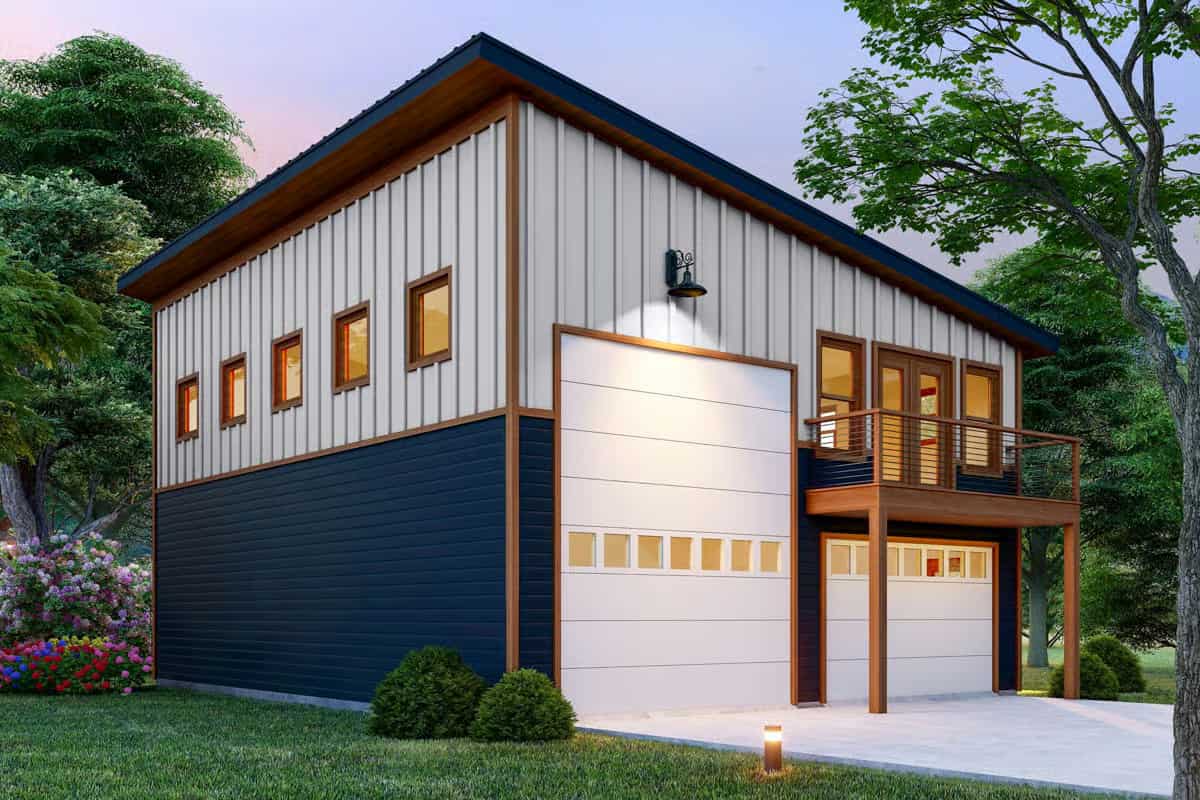
Metal siding for houses is a great option for modern homes. It gives a clean and stylish look and is also very strong.
Unlike wood, metal does not burn easily, so it is a safer option for fire protection. It is also resistant to insects and pests.
Metal siding is low maintenance and easy to install if the structure underneath is strong.
But it also has some problems.
Metal does not provide strong insulation, so homes may become too hot or too cold. This can increase energy bills.
It also does not block outside noise very well. In busy areas, traffic sounds can be more noticeable.
Storms can also cause dents and scratches, especially with softer metals.
The price depends on the type of metal. Tin is cheaper, while copper is much more expensive.
Metal Siding Cost
Cost per square foot: $1 to $35
Lifespan: 15 to 100+ years
Vinyl Siding for Houses
Vinyl siding for houses is one of the most common choices for homeowners. It is affordable, attractive, and easy to maintain.
Many people choose vinyl because it looks good without costing too much. It is also resistant to fire up to high temperatures.
It does not need painting often, and cleaning is simple.
Still, vinyl has some weaknesses.
Strong sunlight can cause fading over time. Heavy rain, snow, and wind can also damage it.
In storm-prone areas, high winds may even pull vinyl panels off the house.
Another issue is hidden moisture. If water gets behind the siding, mold and rot can develop underneath.
This can lead to expensive repairs later.
Vinyl Siding Cost
Cost per square foot: $3 to $12
Lifespan: 10 to 20 years

Composite Wood Siding for Houses
Composite wood siding for houses looks like real wood but is made from wood fibers, chips, and resin.
It is a smart choice for homeowners who want the beauty of wood without all the heavy maintenance.
These boards often come pre-painted or pre-finished. This saves time during installation and reduces labor costs.
It is also considered more eco-friendly because it uses recycled wood materials instead of cutting fresh trees.
However, moisture can still be a problem.
If composite siding is installed incorrectly, water can enter and cause damage. This is especially common in humid areas.
Proper installation is very important for this type of siding.
Composite Wood Siding Cost
Cost per square foot: $1 to $6
Lifespan: 20 to 40 years
PVC Cladding for Houses
PVC cladding is another popular siding for houses. Cladding covers part or all of the outside walls of a home.
It is often used to improve design, highlight entryways, or create a modern mixed-material exterior.
PVC cladding looks like wood but performs much better in harsh weather.
It does not rot, crack, or warp like natural wood. It is also low maintenance and fire-resistant.
Homeowners like it because it keeps its shape for many years.
The downside is that PVC is not the best option for the environment because it is made from plastic materials.
Over time, strong sunlight can also cause fading.
Still, many people choose it because of its long life and clean appearance.
PVC Cladding Cost
Cost per square foot: $11 to $16
Lifespan: Around 50 years
Stucco Siding for Houses
Stucco siding for houses is a popular choice for homeowners who want a clean, elegant, and long-lasting exterior. It is made from a mixture of cement, sand, lime, and water, creating a strong protective layer for the home.
Stucco is especially common in warm and dry climates because it handles heat very well. It gives homes a smooth and stylish appearance and can be finished in different textures and colors.
One of the biggest advantages of stucco siding is its durability. It is fire-resistant, low maintenance, and can last for many years when installed correctly.
Stucco also provides good insulation, which helps keep indoor temperatures comfortable and can reduce energy bills.
However, stucco siding also has some disadvantages.
In areas with heavy rain or high moisture, stucco can develop cracks over time. If water gets inside those cracks, it can cause damage behind the walls.
It also requires professional installation because poor application can lead to serious problems later.
Repairing damaged stucco can sometimes be costly compared to other siding materials.
Still, many homeowners choose stucco because of its beautiful appearance and strong long-term performance.
Stucco Siding Cost
Cost per square foot: $7 to $15
Lifespan: 50 to 80 years

Fiber Cement Siding for Houses
Fiber cement siding for houses is one of the strongest and most reliable choices available today.
It can handle extreme weather, heavy rain, snow, and strong heat. It is also highly fire-resistant, which makes it a safer option for many homeowners.
One of the best things about fiber cement siding is that it can look exactly like real wood, but without the same fire risk or high maintenance.
It lasts for decades and stays strong even in difficult climates.
Many homeowners worry that fiber cement is too expensive. While the material may cost more than vinyl, the long-term savings are often better.
Because it is durable, homeowners may pay less for repairs and even save money on home insurance.
It also reduces future replacement costs because it can last more than 30 years.
Builders also save time because modern fiber cement systems reduce extra sealing and repair work after installation.
This means faster projects and lower labor costs.
Fiber Cement Siding Cost
Cost per square foot: $5 to $14
Lifespan: Around 50 years
Which Siding for Houses Is Best?
There is no single perfect siding for houses.
The best choice depends on budget, weather, maintenance needs, and personal style.
If you want low cost, vinyl and composite wood are good options.
If you want luxury and natural beauty, wood may be the right fit.
If you want strength and long-term value, fiber cement is often the best investment.
Metal works well for modern homes, while PVC cladding is perfect for stylish low-maintenance designs.
Every homeowner has different priorities, so understanding the pros and cons helps make a smarter decision.
Frequently Asked Questions About Siding for Houses
What kinds of siding are there?
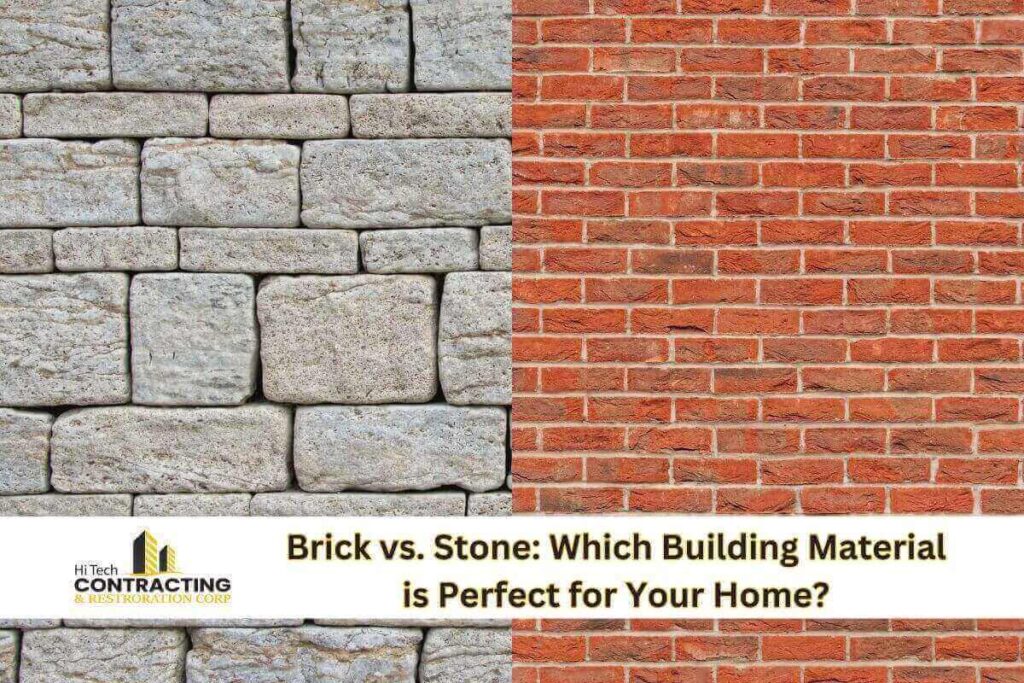
The most common siding types include vinyl, fiber cement, wood, metal, brick, stone, and stucco.
What is the most popular siding for houses?
Vinyl siding remains the most popular due to affordability, durability, and low maintenance.
What are solid siding materials?
Fiber cement, engineered wood, brick, and stone are considered solid siding materials because of their strength and longevity.
What types of exterior siding last the longest?
Brick, stone, and fiber cement siding often last 40 years or more with proper care.
Final Thoughts
Choosing the right siding for houses is a big decision. It affects the beauty, protection, and value of the home for many years.
Some materials cost less at the beginning but need more repairs later. Others cost more now but save money over time.
That is why builders and homeowners should think carefully before making a final choice.
Strong, high-quality siding helps homes stay beautiful, safe, and protected for decades.
The right siding is not just about appearance—it is an investment in the future of the home.
If you are planning a full exterior renovation, our professional stucco and exterior services can help improve both beauty and protection for your home. Click Here
Contact US
Website: www.htcrcorp.com/
Phone: 718-510-6000
Serving: Manhattan, Brooklyn, Queens, The Bronx, Westchester County, and Long Island.
Address: 201 Bay 43rd St 2nd FL Brooklyn, NY 11214