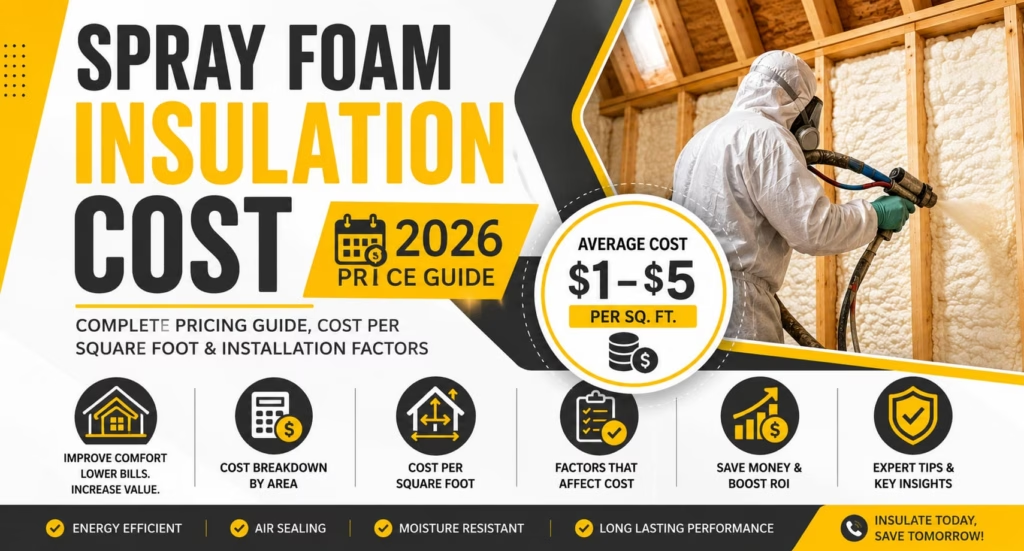
Spray foam insulation has become one of the most effective ways to improve a home’s energy efficiency, comfort, and long-term value. Unlike traditional insulation materials that simply slow heat transfer, spray foam expands after application to create an airtight seal that helps prevent air leaks, control moisture, and reduce energy waste.
One of the first questions homeowners ask is, “How much does spray foam insulation cost?” The answer depends on several factors, including the type of spray foam, the size of the project, installation complexity, labor rates, and your location.
While spray foam insulation typically costs more upfront than fiberglass or cellulose, many homeowners consider it a worthwhile investment because of its superior thermal performance, lower utility bills, and long service life.
In this comprehensive guide, you’ll learn:
- Average spray foam insulation costs in 2026
- Cost per square foot
- Open-cell vs. closed-cell pricing
- Costs by project type and area
- Factors that affect installation costs
- Potential energy savings and return on investment
- How to choose the right insulation contractor
- Frequently asked questions from homeowners
Whether you’re insulating a new home or upgrading an older property, this guide will help you make an informed decision before starting your project.
What Is Spray Foam Insulation?
Spray foam insulation is a high-performance insulating material made by mixing two liquid components that expand rapidly when sprayed onto a surface. As the foam expands, it fills cracks, gaps, and hard-to-reach spaces, creating both an insulation layer and an air barrier.
Unlike fiberglass batts or blown-in cellulose, spray foam doesn’t leave small openings where conditioned air can escape. This makes it one of the most effective insulation solutions available for improving energy efficiency.
Spray foam insulation is commonly installed in:
- Attics
- Exterior walls
- Interior walls
- Crawl spaces
- Basements
- Garages
- Rim joists
- Pole barns
- Metal buildings
- Commercial properties
Because it seals air leaks while providing excellent thermal resistance, spray foam helps maintain consistent indoor temperatures throughout the year.
Why More Homeowners Are Choosing Spray Foam Insulation
Although the initial investment is higher than many traditional insulation materials, spray foam offers long-term benefits that often outweigh the upfront cost.
Lower Energy Bills
Air leaks are one of the biggest causes of energy loss in residential buildings. Spray foam creates a continuous air barrier that reduces heat transfer and helps heating and cooling systems operate more efficiently.
Benefits include:
- Reduced heating costs during winter
- Lower cooling costs in summer
- Less strain on HVAC equipment
- Improved overall energy efficiency
Many homeowners notice lower monthly utility bills after installing spray foam insulation.
Improved Indoor Comfort
Uneven temperatures, drafts, and cold spots often result from poor insulation. Spray foam helps maintain consistent temperatures throughout the home by minimizing unwanted air movement.
You may notice:
- More even room temperatures
- Fewer drafts
- Improved comfort during extreme weather
- Better humidity control
Superior Air Sealing
Traditional insulation slows heat transfer but often allows air to pass through small gaps. Spray foam expands into tiny cracks and openings that other insulation materials cannot fully seal.
This helps reduce:
- Outdoor dust
- Allergens
- Air leakage
- Insect entry points
- Pollutants
Moisture Protection
Closed-cell spray foam is highly resistant to water and can help reduce moisture intrusion in areas prone to dampness.
It can help protect against:
- Mold growth
- Mildew
- Condensation
- Water damage
- Wood rot
Long Service Life
Unlike some insulation materials that settle or lose effectiveness over time, professionally installed spray foam maintains its performance for decades.
When properly installed, it generally:
- Doesn’t sag
- Doesn’t settle
- Doesn’t compress
- Requires minimal maintenance
Types of Spray Foam Insulation
Choosing the right type of spray foam is one of the biggest factors affecting your project’s cost and performance.
Open-Cell Spray Foam
Open-cell spray foam is a lighter, less dense insulation material that expands significantly after application. Its flexibility allows it to fill irregular spaces, making it ideal for interior applications.
Best Uses
- Interior walls
- Attics
- Ceilings
- Soundproofing
- Residential renovations
Advantages
- Lower installation cost
- Excellent air sealing
- Superior sound absorption
- Flexible and lightweight
- Expands to fill difficult spaces
Average Cost
$1.00–$3.00 per square foot installed
Closed-Cell Spray Foam
Closed-cell spray foam is denser, stronger, and offers a higher insulation value per inch. It also adds structural rigidity and provides excellent moisture resistance.
Best Uses
- Exterior walls
- Basements
- Crawl spaces
- Metal buildings
- Pole barns
- Commercial buildings
Advantages
- Higher R-value
- Exceptional moisture resistance
- Increased structural strength
- Better energy performance
- Long-lasting durability
Average Cost
$2.00–$5.00 per square foot installed
Open-Cell vs Closed-Cell Spray Foam
| Feature | Open-Cell | Closed-Cell |
|---|---|---|
| Cost | Lower | Higher |
| R-Value | Around R-3.5 to R-4 per inch | Around R-6 to R-7 per inch |
| Density | Low | High |
| Moisture Resistance | Moderate | Excellent |
| Soundproofing | Excellent | Good |
| Structural Strength | No | Yes |
| Best For | Interior spaces | Exterior & moisture-prone areas |
Expert Tip: Open-cell foam is often sufficient for interior applications where sound control is a priority, while closed-cell foam is typically the better choice for areas exposed to moisture or requiring maximum thermal performance.
Average Spray Foam Insulation Cost in 2026
The total cost of spray foam insulation depends on the project’s size, insulation type, and installation requirements. Below are general price ranges for common residential projects.
| Project Size | Average Cost |
|---|---|
| Small Repairs or Single Room | $500–$1,500 |
| Medium-Sized Project | $1,500–$4,000 |
| Large Areas | $4,000–$8,000 |
| Whole-Home Installation | $8,000–$15,000+ |
These estimates include both materials and professional installation. Additional work—such as removing old insulation, mold remediation, or improving access to hard-to-reach areas—may increase the total project cost.
Spray Foam Insulation Cost Per Square Foot
Many contractors price spray foam insulation based on the total square footage being insulated.
| Spray Foam Type | Average Installed Cost |
|---|---|
| Open-Cell Spray Foam | $1–$3 per sq. ft. |
| Closed-Cell Spray Foam | $2–$5 per sq. ft. |
The final price depends on factors such as the required insulation thickness, accessibility, and local labor rates.
What Affects Spray Foam Insulation Cost?
Several variables influence the total cost of a spray foam insulation project.
1. Type of Foam
Open-cell spray foam is generally more affordable, while closed-cell spray foam costs more because it provides a higher R-value, greater density, and better moisture resistance.
2. Project Size
Larger projects require more material and labor, increasing the overall cost. However, larger installations may have a lower cost per square foot due to economies of scale.
3. Insulation Thickness
The thicker the insulation layer, the more material is needed. Building codes, climate conditions, and desired energy efficiency all influence the recommended thickness.
4. Accessibility
Hard-to-reach areas can increase labor time and equipment requirements.
Examples include:
- Tight crawl spaces
- High cathedral ceilings
- Finished walls
- Confined attics
- Complex roof structures
5. Existing Conditions
Before installing new insulation, contractors may need to:
- Remove damaged insulation
- Address mold or mildew
- Repair water damage
- Seal large air leaks
- Fix structural issues
These preparatory tasks can significantly affect the total project cost.
6. Local Labor Rates
Installation costs vary by region and contractor experience. Hiring a licensed, experienced installer often provides better long-term value by ensuring proper application and code compliance.
Spray Foam Insulation Cost by Area
The location of the insulation project plays a significant role in determining the total installation cost. Some areas are easier to access, while others require more labor, specialized equipment, or additional preparation.
Below are the average costs homeowners can expect for common residential projects.
Attic Spray Foam Insulation Cost
The attic is often the largest source of energy loss in a home. Insulating this area with spray foam helps prevent conditioned air from escaping during both summer and winter.
Average Cost
$2,000–$7,000
Benefits
- Improves overall energy efficiency
- Reduces heating and cooling costs
- Keeps indoor temperatures consistent
- Helps extend HVAC system life
- Prevents hot and cold spots
Best Choice: Open-cell for most residential attics; closed-cell where additional moisture protection or higher R-value is required.
Wall Spray Foam Insulation Cost
Wall insulation significantly improves a home’s thermal performance and reduces outside noise.
Average Cost
$1,500–$6,000
Benefits
- Better temperature control
- Improved indoor comfort
- Reduced drafts
- Increased sound insulation
- Lower utility bills
Wall projects can be completed during new construction or retrofitted into existing homes, although retrofit installations may require additional labor.
Crawl Space Spray Foam Insulation Cost
Crawl spaces often allow moisture, pests, and outdoor air into a home. Spray foam creates an effective air and moisture barrier.
Average Cost
$1,000–$4,000
Benefits
- Controls moisture
- Helps prevent mold growth
- Protects plumbing
- Improves indoor air quality
- Reduces cold floors during winter
Closed-cell spray foam is generally recommended because of its excellent moisture resistance.
Basement Spray Foam Insulation Cost
Basements are naturally cooler and more susceptible to moisture problems. Proper insulation can transform them into comfortable, usable living spaces.
Average Cost
$1,500–$5,000
Benefits
- Reduces heat loss
- Controls humidity
- Minimizes condensation
- Improves comfort
- Protects foundation walls
Garage Spray Foam Insulation Cost
If your garage shares walls with living areas, insulation can improve comfort throughout your home.
Average Cost
$800–$3,000
Benefits
- Better temperature regulation
- Reduced outside noise
- Lower energy costs
- More comfortable workshops or gyms
Pole Barn & Metal Building Insulation Cost
Metal buildings experience significant temperature swings throughout the year. Spray foam minimizes condensation while improving thermal performance.
Average Cost
$3,000–$15,000+
Benefits
- Prevents condensation
- Controls humidity
- Improves year-round comfort
- Reduces heating and cooling expenses
- Protects steel structures from moisture
Whole-House Spray Foam Insulation Cost
For homeowners seeking maximum energy efficiency, insulating the entire home provides the greatest long-term value.
Average Cost
$8,000–$15,000+
The total investment depends on:
- Home size
- Climate zone
- Foam type
- Wall thickness
- Local labor costs
Although the initial investment is higher, whole-home insulation often delivers the largest energy savings over time.
Spray Foam Insulation vs Fiberglass vs Cellulose
Choosing the right insulation isn’t only about cost. Performance, durability, maintenance, and long-term energy savings should also be considered.
| Feature | Spray Foam | Fiberglass | Cellulose |
|---|---|---|---|
| Average Cost | High | Low | Medium |
| Air Sealing | ★★★★★ | ★★☆☆☆ | ★★★☆☆ |
| R-Value per Inch | 3.5–7 | 2.9–3.8 | 3.2–3.8 |
| Moisture Resistance | Excellent | Poor | Moderate |
| Mold Resistance | Excellent | Fair | Moderate |
| Soundproofing | Excellent | Good | Good |
| Lifespan | 30–80 Years | 15–25 Years | 20–30 Years |
| Maintenance | Very Low | Moderate | Moderate |
| Energy Savings | Highest | Moderate | Good |
Which Insulation Is Best?
- Spray Foam: Best for long-term performance, energy savings, and air sealing.
- Fiberglass: Best for homeowners on a limited budget.
- Cellulose: A good eco-friendly option for improving existing insulation.
Understanding R-Value
R-value measures how effectively insulation resists heat flow. The higher the R-value, the better the insulation performs.
| Insulation Type | Average R-Value per Inch |
|---|---|
| Open-Cell Spray Foam | R-3.5 to R-4 |
| Closed-Cell Spray Foam | R-6 to R-7 |
| Fiberglass Batts | R-2.9 to R-3.8 |
| Cellulose | R-3.2 to R-3.8 |
Because closed-cell spray foam provides one of the highest R-values available, it delivers excellent insulation even in areas with limited wall or roof cavity depth.
Expert Tip: A higher R-value alone doesn’t guarantee better performance. Spray foam’s ability to create an airtight seal often makes it more effective than insulation materials with similar R-values but poor air-sealing capabilities.
Is Spray Foam Insulation Worth the Cost?
For many homeowners, the answer is yes.
Although spray foam insulation has a higher upfront installation cost, it offers long-term benefits that can outweigh the initial investment.
Lower Utility Bills
Air leakage can account for a significant portion of heating and cooling energy loss. By sealing gaps and cracks, spray foam helps HVAC systems operate more efficiently, leading to lower monthly energy bills.
Improved Indoor Comfort
Spray foam maintains consistent indoor temperatures throughout the year by reducing drafts and minimizing heat transfer.
You’ll notice:
- More even room temperatures
- Fewer cold spots
- Better humidity control
- Improved year-round comfort
Increased Home Value
Energy-efficient upgrades are attractive to homebuyers. Professionally installed spray foam insulation may increase resale value while improving your home’s overall energy performance.
Long-Term Durability
Unlike traditional insulation materials, spray foam doesn’t sag, settle, or compress over time. A quality installation can continue performing effectively for decades with little maintenance.
Estimated Return on Investment
While every home is different, many homeowners recover a portion of their installation costs through ongoing energy savings over the life of the insulation.
Hidden Costs to Consider
When comparing quotes, ask whether these services are included:
- Removal of old insulation
- Mold remediation
- Water damage repairs
- Air sealing around windows and doors
- Vapor barrier installation
- Waste disposal and cleanup
- Permit fees (where required)
A detailed written estimate helps avoid unexpected expenses once work begins.
How Long Does Installation Take?
Most residential spray foam projects are completed within one to three days, depending on the size and complexity of the job.
| Project | Typical Installation Time |
|---|---|
| Small Room | Half Day |
| Attic | 1 Day |
| Crawl Space | 1 Day |
| Basement | 1–2 Days |
| Whole House | 2–4 Days |
Additional preparation or repairs may extend the project timeline.
Ways to Save Money on Spray Foam Insulation
Although spray foam insulation is a premium product, there are several ways to reduce your overall costs.
Compare Multiple Estimates
Request quotes from several licensed insulation contractors and compare materials, warranties, experience, and overall value—not just the lowest price.
Prioritize High-Impact Areas
If your budget is limited, begin with spaces that typically deliver the greatest energy savings:
- Attics
- Crawl spaces
- Rim joists
- Exterior walls
- Basements
Install During Renovations
Adding spray foam during remodeling or new construction is often more cost-effective than retrofitting finished spaces because it reduces labor and preparation time.
Ask About Rebates
Some utility providers and local energy-efficiency programs may offer rebates or incentives for qualifying insulation upgrades. Check what programs are available in your area before starting your project.
Signs Your Home Needs New Insulation
Many homeowners don’t realize their insulation is no longer performing effectively until energy bills increase or comfort levels decline. If you’ve noticed any of the following issues, it may be time to upgrade to spray foam insulation.
Rising Energy Bills
A sudden increase in heating or cooling costs without a change in energy usage often indicates your home is losing conditioned air through poorly insulated walls, attics, or crawl spaces.
Uneven Indoor Temperatures
If certain rooms are consistently hotter in summer or colder in winter, your insulation may not be providing adequate thermal protection.
Drafts Around Doors and Windows
Feeling cold air near windows, doors, electrical outlets, or baseboards is often a sign of air leaks. Spray foam insulation seals these gaps more effectively than many traditional insulation materials.
Moisture or Mold Problems
Condensation, damp insulation, or visible mold can indicate poor insulation performance or excessive air leakage. Closed-cell spray foam helps reduce moisture intrusion and can improve the overall durability of your home.
Pest Activity
Small openings in walls, attics, and crawl spaces can allow insects and rodents to enter your home. Spray foam helps seal many of these entry points while improving insulation.
Old or Damaged Insulation
If your home still contains insulation that is compressed, sagging, water-damaged, or deteriorating, replacing it can significantly improve energy efficiency and indoor comfort.
Common Mistakes Homeowners Make
Installing spray foam insulation is a long-term investment, but several common mistakes can reduce its effectiveness or increase project costs.
Choosing the Cheapest Quote
A low price doesn’t always provide the best value. Inexperienced installers may apply the wrong foam thickness or fail to achieve proper coverage, reducing the insulation’s performance.
Tip: Compare contractor experience, certifications, warranty coverage, and customer reviews—not just price.
Choosing the Wrong Type of Foam
Open-cell and closed-cell spray foam serve different purposes.
- Open-cell: Best for interior walls, attics, and sound reduction.
- Closed-cell: Best for basements, crawl spaces, exterior walls, and areas exposed to moisture.
Selecting the wrong product can affect energy efficiency and long-term durability.
Ignoring Existing Problems
Spray foam should never be installed over active water leaks, mold, or damaged building materials.
Before installation, resolve issues such as:
- Roof leaks
- Water damage
- Mold growth
- Structural deterioration
- Pest infestations
Not Considering Ventilation
Because spray foam creates an airtight building envelope, proper ventilation becomes even more important.
Discuss your home’s ventilation needs with your contractor to maintain healthy indoor air quality and humidity levels.
Attempting a DIY Installation
While DIY spray foam kits are available for small repairs, insulating an entire home requires specialized equipment, proper safety procedures, and professional experience.
Poor installation can lead to:
- Uneven insulation
- Reduced energy efficiency
- Moisture issues
- Additional repair costs
Professional installation typically provides better long-term performance and peace of mind.
How to Choose the Right Spray Foam Insulation Contractor
The quality of the installation is just as important as the insulation material itself. A skilled contractor can maximize energy savings and ensure the insulation performs as expected for decades.
Verify Licensing and Insurance
Always choose a contractor who is properly licensed and insured according to local requirements.
Ask About Experience
Look for contractors with extensive experience installing spray foam insulation in residential or commercial properties similar to yours.
Ask questions such as:
- How many years have you been installing spray foam?
- Have you completed projects like mine?
- Can you provide references?
Request a Detailed Estimate
A professional estimate should clearly outline:
- Material type
- Foam thickness
- Square footage
- Labor costs
- Preparation work
- Cleanup
- Warranty information
Review Customer Feedback
Check online reviews, testimonials, and completed projects to understand the contractor’s reputation for quality workmanship and customer service.
Understand the Warranty
Before signing a contract, ask:
- What does the workmanship warranty cover?
- Is the insulation material covered by the manufacturer?
- How long does the warranty last?
A reputable contractor should stand behind both the product and the installation.
Frequently Asked Questions
How much does spray foam insulation cost?
Most residential spray foam insulation projects range from $500 to $15,000 or more, depending on the size of the home, the type of foam used, labor rates, and installation complexity.
What is the average cost per square foot?
Open-cell spray foam typically costs $1 to $3 per square foot, while closed-cell spray foam generally ranges from $2 to $5 per square foot, including professional installation.
Is spray foam insulation worth the investment?
For many homeowners, yes. Spray foam insulation can improve energy efficiency, reduce monthly utility bills, increase indoor comfort, and provide long-lasting performance that may offset the higher initial cost over time.
Which is better: open-cell or closed-cell spray foam?
It depends on your project.
- Open-cell is ideal for interior applications and soundproofing.
- Closed-cell offers a higher R-value, superior moisture resistance, and added structural strength, making it a better choice for exterior walls, basements, and crawl spaces.
How long does spray foam insulation last?
When professionally installed, spray foam insulation can last 30 years or more and, in many cases, performs effectively for the life of the building with minimal maintenance.
Can spray foam insulation reduce energy bills?
Yes. By sealing air leaks and improving thermal performance, spray foam insulation can help lower heating and cooling costs while making your home more comfortable year-round.
Is spray foam insulation safe?
Once properly installed and fully cured, spray foam insulation is considered safe for residential and commercial buildings. Always work with qualified professionals who follow manufacturer guidelines and local building codes.
Can spray foam be installed over existing insulation?
In some cases, yes. However, damaged, moldy, or wet insulation should usually be removed before new spray foam is applied to ensure optimal performance.
Does spray foam help with soundproofing?
Yes. Open-cell spray foam is particularly effective at reducing airborne noise between rooms and from outside sources.
How soon can I use my home after installation?
Most homeowners can safely re-enter the insulated area after the curing period recommended by the installer, which is often around 24 hours, though this can vary depending on the product used.
Why Choose HTCR Corp?
At HTCR Corp, we understand that every property has unique insulation needs. Whether you’re upgrading a residential home or improving the energy efficiency of a commercial building, our experienced team delivers solutions designed for long-term performance and value.
Our Spray Foam Insulation Services Include
- Residential spray foam insulation
- Commercial spray foam insulation
- Attic insulation
- Wall insulation
- Crawl space insulation
- Basement insulation
- Garage insulation
- Pole barn and metal building insulation
- Energy-efficiency upgrades
- Insulation inspections and consultations
Why Homeowners Trust HTCR Corp
- Experienced and knowledgeable insulation professionals
- High-quality materials from trusted manufacturers
- Customized solutions based on your property’s needs
- Honest pricing with detailed estimates
- Reliable workmanship backed by excellent customer service
- Commitment to safety, quality, and lasting results
Our goal is to help homeowners improve comfort, reduce energy waste, and protect their investment with insulation solutions that stand the test of time.
Final Thoughts
Understanding spray foam insulation cost is the first step toward making an informed investment in your property’s comfort and energy efficiency. While spray foam generally costs more than traditional insulation materials, its ability to create an airtight seal, improve thermal performance, resist moisture, and last for decades makes it one of the most effective insulation options available.
The total cost of your project will depend on factors such as the type of spray foam, the size of the area being insulated, labor requirements, and any preparation work needed before installation. By comparing estimates, selecting the right insulation for your needs, and hiring a qualified contractor, you can maximize both the performance and long-term value of your investment.
Whether you’re insulating an attic, basement, crawl space, garage, or an entire home, spray foam insulation can provide year-round comfort, lower utility bills, and greater peace of mind for years to come.
Contact HTCR Corp Today
Ready to improve your home’s energy efficiency with professional spray foam insulation?
HTCR Corp provides expert insulation services for residential and commercial properties, using premium materials and proven installation techniques to deliver reliable, long-lasting results.
Contact HTCR Corp today to schedule a consultation and receive a free estimate. Our team is here to help you choose the right insulation solution for your home, improve comfort, and maximize energy savings.
Contact US
Website: www.htcrcorp.com/
Phone: 718-510-6000
Serving: Manhattan, Brooklyn, Queens, The Bronx, Westchester County, and Long Island.
Address: 201 Bay 43rd St 2nd FL Brooklyn, NY 11214