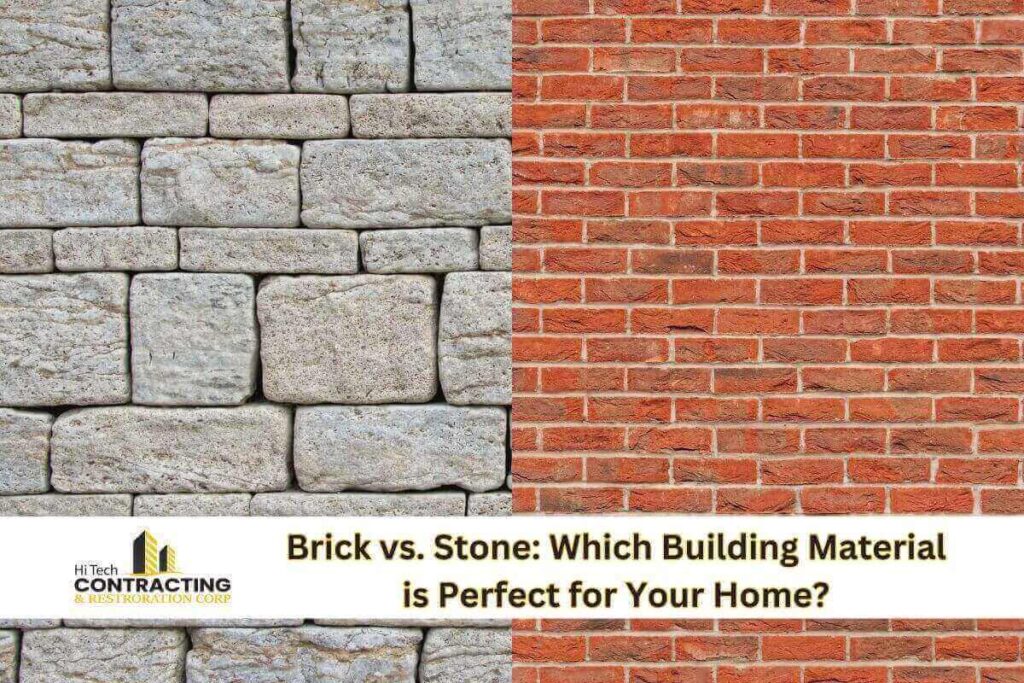
Standard Brick Dimensions play a major role in construction quality, cost, and design. Whether you are building a home, boundary wall, or commercial space, knowing the exact brick sizes helps you plan more accurately. It also prevents material wastage and ensures structural stability.
In this guide, we cover standard brick dimensions, different brick types, size variations by region, and how to choose the right brick for your project.
What Are Standard Size Brick Dimensions?
Standard size brick dimensions refer to the commonly accepted measurements of bricks that are used in construction. Bricks are usually rectangular in shape and have three main measurements:
- Length (L) – The longest side of the brick.
- Width (W) – The shorter side of the brick.
- Height / Thickness (H) – The vertical thickness of the brick when it is laid in a wall.
Using bricks of standard size helps in maintaining uniformity, ensuring walls are straight and stable, and making it easier to plan construction projects. Even slight variations in size can cause gaps, uneven walls, or extra use of mortar, which can increase the cost of the project.

Importance of Standard Brick Sizes
Choosing the right brick size is more than just a technical detail. Standard bricks provide many benefits in construction:
- Uniformity in Construction: All bricks are of the same size, which makes walls look neat and symmetrical.
- Structural Strength: Standard dimensions ensure proper bonding, making the structure stable and strong.
- Easy Planning: Architects and engineers can accurately calculate the number of bricks, wall thickness, and mortar needed.
- Cost Efficiency: Using standard bricks reduces waste and ensures precise estimation of materials.
- Better Mortar Bonding: Standard bricks fit perfectly with mortar gaps, providing strong and durable walls.
In short, standard brick dimensions save time, effort, and money, while improving the quality of construction.
Standard Brick Sizes in Different Countries
Brick sizes can vary slightly from one country to another. Here is a table showing the standard sizes of bricks used around the world:
| Country | Length (mm) | Width (mm) | Height (mm) | Notes |
| India | 190–200 | 90 | 90 | Most commonly used in Indian construction |
| USA | 203 | 92 | 57 | Known as modular brick, widely used |
| UK | 215 | 102.5 | 65 | Standard size for general building work |
| Australia | 230 | 110 | 76 | Common in residential constructions |
| Canada | 203 | 92 | 57 | Similar to USA brick dimensions |
Note: These sizes are for solid bricks. Hollow or perforated bricks may vary slightly in size, weight, and insulation properties.
Types of Bricks Based on Size
Apart from the standard brick, there are other types of bricks used for specific construction needs:
- Modular Bricks – Slightly smaller than traditional bricks, commonly used in the USA. These help reduce mortar work and provide better bonding.
- King Size Bricks – Larger bricks that cover more area and reduce the number of bricks needed for a wall.
- Queen Size Bricks – Medium-sized bricks often used for decorative walls.
- Jumbo Bricks – Very large bricks used in modern construction to speed up building and reduce labor costs.
Even though these variations exist, standard brick dimensions remain the most widely used for residential and commercial construction projects.
Standard Brick Dimensions for Different Uses
Bricks are used in many different applications, and the required size may vary depending on the purpose:
- Wall Construction: Standard bricks are ideal for building walls, both load-bearing and partition walls.
- Pavements and Pathways: Bricks for walkways or driveways are often larger and thinner to make installation easier.
- Decorative Work: Bricks for facades, arches, or wall patterns may be smaller or irregular in size to create visual appeal.
- Structural Support: Large bricks are used in load-bearing walls to handle more weight and provide greater stability.
By choosing the right brick size for each purpose, builders can ensure a balance between strength, durability, and appearance.
How Standard Brick Size Affects Construction
- Bonding Pattern: Bricks are laid in specific patterns like stretcher bond, header bond, and English bond. Standard brick sizes make it easier to maintain symmetry and alignment.
- Mortar Calculation: Correct brick size helps calculate the exact amount of mortar needed, reducing waste and cost.
- Wall Thickness: Wall thickness is calculated based on brick length and width. Standard bricks ensure that walls are the correct thickness for strength and insulation.
- Cost Estimation: Builders can accurately estimate the number of bricks and overall cost for the project when they use standard sizes.
- Ease of Cutting and Fitting: Standard-sized bricks are easier to cut and adjust for corners, windows, doors, and other architectural features.
Tips for Choosing the Right Brick Size
- Check Local Building Codes: Some regions have rules about standard brick sizes. Always follow local regulations.
- Consider the Structure Type: Residential, commercial, and decorative constructions may require different sizes.
- Hollow vs. Solid Bricks: Hollow bricks are lighter, provide better insulation, and reduce wall weight. Solid bricks are stronger and better for load-bearing walls.
- Aesthetic Consideration: Brick size affects the appearance of walls. Choose bricks that match your design vision.
- Budget and Efficiency: Larger bricks reduce the number of bricks and mortar required but may cost more individually. Smaller bricks increase labor and mortar usage but may be cheaper per brick.
Common Mistakes While Using Bricks
- Using bricks that are not uniform in size, which leads to uneven walls.
- Ignoring mortar gaps in measurements, which affects wall strength and appearance.
- Using oversized bricks for small projects, which can make walls look bulky or disproportionate.
- Choosing the wrong type of brick for insulation, strength, or load-bearing requirements.
- Failing to plan bonding patterns according to brick dimensions, leading to weak walls.
Avoiding these mistakes ensures your walls are strong, neat, and long-lasting.
Practical Example: Planning a Wall with Standard Bricks
Imagine you are building a wall 3 meters long and 2.5 meters high using standard bricks (size 190 mm × 90 mm × 90 mm).
- First, you calculate how many bricks fit along the length:
3000 mm÷190 mm≈16 bricks per row3000 \text{ mm} ÷ 190 \text{ mm} ≈ 16 \text{ bricks per row}3000 mm÷190 mm≈16 bricks per row - Then, calculate how many rows fit in height:
2500 mm÷90 mm≈28 rows2500 \text{ mm} ÷ 90 \text{ mm} ≈ 28 \text{ rows}2500 mm÷90 mm≈28 rows - Total bricks required: 16 × 28 = 448 bricks
This simple calculation shows how knowing standard brick dimensions makes planning and estimating materials much easier.
Conclusion
Understanding standard size brick dimensions is crucial for any construction project. Standard bricks ensure strong, durable, and visually appealing structures. By knowing the dimensions, types, and proper uses, builders can save time, reduce costs, and create high-quality constructions.
Bricks may seem small, but they play a vital role in the strength, safety, and beauty of your home or building. Choosing the right brick size, planning bonding patterns carefully, and calculating materials accurately can make a huge difference in the success of any project.
Whether you are a professional builder, an architect, or a DIY enthusiast, always consider standard size brick dimensions for your construction to ensure lasting quality and efficiency.
Contact US
Website: www.htcrcorp.com/
Phone: 718-510-6000
Serving: Manhattan, Brooklyn, Queens, The Bronx, Westchester County, and Long Island.
Address: 201 Bay 43rd St 2nd FL Brooklyn, NY 11214