Stepping stones can turn an ordinary yard into an attractive and practical outdoor space. They create a clear walking route while protecting grass, flower beds, and soil from repeated foot traffic.
The right stepping stones for a garden can also improve drainage, define different areas, and complement the style of your home. From natural bluestone to modern concrete shapes, homeowners can choose from many materials and layouts.
In New York City, garden paths are especially useful for compact backyards, brownstone gardens, side entrances, and narrow outdoor spaces. Proper installation is important because unstable stones, poor drainage, or uneven spacing can create safety problems.
At HTCR Corp, we provide professional masonry and exterior improvement services throughout New York City. Our team can help homeowners plan and install durable garden walkways that match the property and surrounding landscape.
What Are Garden Stepping Stones?
Garden stepping stones are individual stone or concrete units placed at comfortable walking intervals. They create a pathway without covering the entire area with a solid paved surface.
They can be installed through:
- Grass
- Gravel
- Mulch
- Ground-cover plants
- Garden beds
- Sand
- Decorative pebbles
Unlike a continuous sidewalk, a stepping stone path leaves visible gaps between each unit. This creates a softer and more natural appearance.
Benefits of Stepping Stones for a Garden
Garden stepping stones provide both functional and decorative benefits.
Create a Clear Walking Route
A properly planned path guides visitors through the garden and helps prevent damage to plants, lawns, and soft soil.
It can connect a patio, gate, driveway, shed, seating area, or back entrance.
Improve the Garden’s Appearance
Stone adds natural texture and visual interest. The path can become a main landscape feature or blend quietly into the surrounding plants.
Reduce Muddy Foot Traffic
Stepping stones provide a firm surface during rain and help keep mud away from shoes and entrance areas.
They do not solve serious drainage problems, but they can make a properly drained garden easier to use.
Work Well in Small Spaces
A full-width walkway may feel too heavy in a small yard. Individual stepping stones create a lighter appearance and preserve more greenery.
Allow Flexible Designs
Stones can follow straight, curved, diagonal, or irregular routes. This makes them suitable for traditional gardens, modern yards, and informal landscapes.
Best Materials for Garden Stepping Stones
The right material depends on your budget, property style, maintenance needs, and local weather conditions.
Bluestone
Bluestone is a popular choice for New York properties. Its blue-gray tones work well with brick homes, brownstones, and modern landscapes.
It is available in natural-cleft and smoother finishes. Choose a surface that provides comfortable, slip-resistant footing.
Flagstone
Flagstone has an irregular shape and natural texture. It is ideal for rustic, cottage-style, and woodland gardens.
Because the stones vary in size and thickness, careful base preparation is important.
Slate
Slate offers dark colors and a refined appearance. It can create a dramatic path in a modern or formal garden.
Some types may become slippery when wet or may split over time, so product selection matters.
Limestone
Limestone provides soft beige, gray, and cream tones. It works well in warm and traditional landscapes.
It may require more careful cleaning because some products can stain or weather differently.
Concrete Stepping Stones
Concrete is available in many sizes, shapes, textures, and colors. It is often more affordable than natural stone.
High-quality concrete units can be durable when they are thick enough and installed over a stable base.
Brick Pavers
Brick pavers create a classic pathway that complements brick facades and traditional homes.
They can be installed as individual stepping units or grouped into larger walking pads.
15 Creative Stepping Stone Ideas
1. Natural Flagstone Path
Use irregular flagstones to create a relaxed garden route. The uneven edges help the pathway blend naturally with plants and lawn areas.
Choose stones with broad, stable walking surfaces. Avoid pieces with sharp edges or large height differences.
2. Bluestone Path for NYC Gardens
Bluestone works especially well in Brooklyn brownstone gardens and townhouse backyards.
Its neutral color pairs well with red brick, black railings, concrete walls, and green landscaping.
3. Stepping Stones Through Grass
Place individual stones directly within a lawn to create a clean route without installing a full walkway.
The stones should sit close to the lawn level so a mower can pass safely over the area.
4. Gravel and Stepping Stone Path
Combine large stepping stones with decorative gravel. The gravel creates contrast, fills the surrounding space, and helps keep the path visually defined.
A properly prepared base and edging can help keep the gravel in place.
5. Curved Garden Path
A gently curved route can make a small garden feel more inviting and visually interesting.
Avoid creating unnecessary sharp turns. The path should still provide a comfortable and natural walking direction.
6. Modern Geometric Stones
Square, rectangular, or large-format concrete units create a clean contemporary appearance.
Use even spacing and straight alignment for a more structured design.
7. Stepping Stones with Ground Cover
Plant low-growing ground cover around the stones to soften the pathway.
Suitable plants depend on sunlight, soil, moisture, and foot traffic. Avoid plants that become slippery or cover the walking surface.
8. Pebble-Bordered Stepping Stones
Add small pebbles around each stone to create a clean decorative border.
The difference in texture can make the pathway stand out while separating it from nearby soil or mulch.
9. Warm-Toned Garden Path
Sandstone, tan concrete, and warm brick colors create a welcoming appearance.
These materials pair well with flowering plants, wood fencing, and traditional garden furniture.
10. Large Statement Stones
Oversized stones can create a bold pathway with fewer joints and a strong visual presence.
Large stones must still be supported evenly. Unsupported corners can rock or crack under pressure.
11. Mosaic Stepping Stones
Decorative mosaic stones add color and personality to a garden.
Use outdoor-rated materials and keep the finished surface level. Raised decorative pieces can create uncomfortable or unsafe footing.
12. Japanese-Inspired Garden Path
Use simple natural stones surrounded by gravel, moss, or carefully arranged plants.
Keep the design restrained and balanced. Too many decorative elements can make the space feel crowded.
13. Side-Yard Stepping Stone Path
Narrow side yards often become muddy or difficult to use. A linear stepping stone walkway can connect the front and back of the property.
Proper grading is important because side yards may direct water toward the foundation.
14. Lighted Garden Walkway
Low-voltage or solar lighting can improve visibility around a stepping stone path.
Place lights beside the route rather than directly within the walking area. Fixtures should not create trip hazards or harsh glare.
15. Mixed-Material Pathway
Combine stone with brick, gravel, concrete, or wood-look pavers.
Limit the number of materials and repeat colors found on the home exterior. This helps the pathway look planned rather than random.
How to Plan the Path Layout
Good installation begins with a practical layout.
Start by identifying the locations the pathway needs to connect. These may include the back door, patio, garden gate, seating area, or shed.
Walk naturally through the area before marking the route. This helps determine the most comfortable direction.
Use a garden hose, rope, or marking paint to outline the path. Check the route from several angles before excavation begins.
How Far Apart Should Stepping Stones Be?
Spacing should match a natural walking stride.
A common approach is to measure from the center of one stone to the center of the next. However, the ideal distance depends on the stone size and the people using the path.
Test the layout before installation by placing the stones on the ground and walking across them.
The path should feel comfortable without forcing users to stretch or take unusually short steps.
How Wide Should the Stones Be?
Each stone should provide enough room for secure footing.
Small decorative pieces may look attractive but can be uncomfortable for regular use. Larger stones are generally better for main walking routes.
For homes with children, older adults, or people with limited mobility, consider a wider continuous walkway instead of widely spaced individual stones.
Garden Stepping Stone Installation Process
A stable base helps prevent movement, sinking, and uneven surfaces.
1. Mark the Path
Place the stones temporarily in the planned positions.
Walk across the layout and adjust the spacing until it feels natural.
2. Outline Each Stone
Mark around each unit using a flat shovel, edging tool, or landscape paint.
Remove the stone and keep it nearby in the correct order.
3. Excavate the Area
Remove soil beneath each stone to allow space for the unit and base material.
The required depth depends on the stone thickness, soil conditions, and planned base.
4. Prepare the Base
Add compacted crushed stone or another suitable base material where needed.
A thin bedding layer can then help level the stone. Do not use loose sand to hide major soil or base problems.
5. Set and Level the Stone
Place the stone on the prepared bed and check it from several directions.
It should feel stable and should not rock when stepped on.
6. Check the Finished Height
Stones installed in grass should generally sit close to the surrounding lawn level.
Stones that are too high can become trip hazards and interfere with lawn maintenance. Stones set too low may collect water and soil.
7. Fill the Surrounding Gaps
Fill around the stones with soil, gravel, pebbles, mulch, or suitable ground cover.
Keep loose material from covering the walking surface.
8. Test the Path
Walk across the completed path and check every stone.
Correct any movement, unevenness, or uncomfortable spacing before regular use.
Common Installation Mistakes
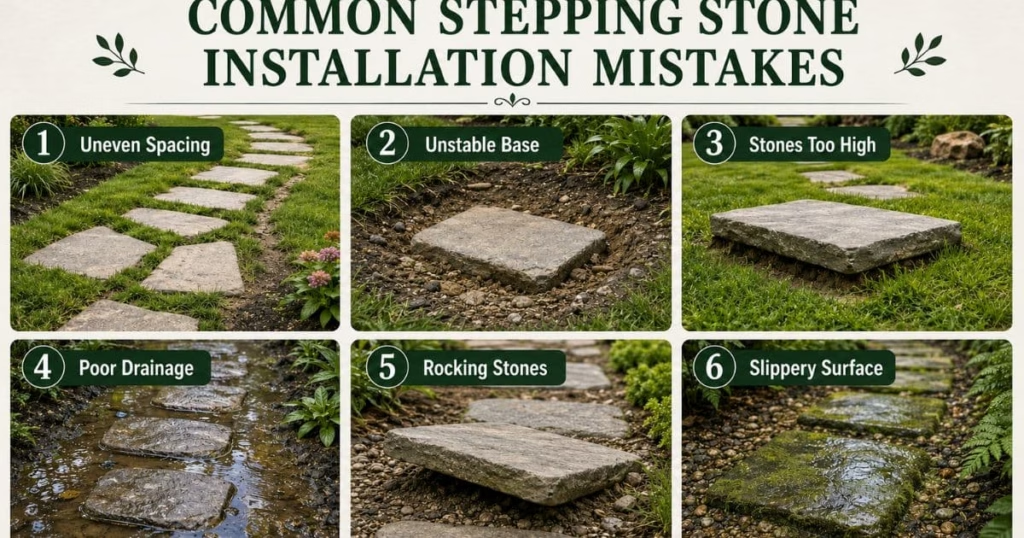
Several simple mistakes can reduce the safety and lifespan of a stepping stone path.
Avoid:
- Installing stones directly on soft or loose soil
- Using pieces that are too small for safe footing
- Creating inconsistent walking distances
- Leaving sharp raised edges
- Ignoring water drainage
- Using slippery polished surfaces outdoors
- Setting stones too high above the lawn
- Failing to compact the base
- Allowing stones to rock
- Placing the path too close to foundation drainage problems
A pathway may look attractive immediately after installation but become uneven after rainfall or freeze-and-thaw cycles if the base is weak.
Do You Need Landscape Fabric?
Landscape fabric may help separate the soil from gravel or base material in certain installations.
However, it does not completely prevent weeds. Seeds can settle into dirt and organic material above the fabric.
Regular sweeping, joint cleaning, and plant control are still necessary.
Maintenance Tips for Garden Stepping Stones
Garden paths require limited but regular care.
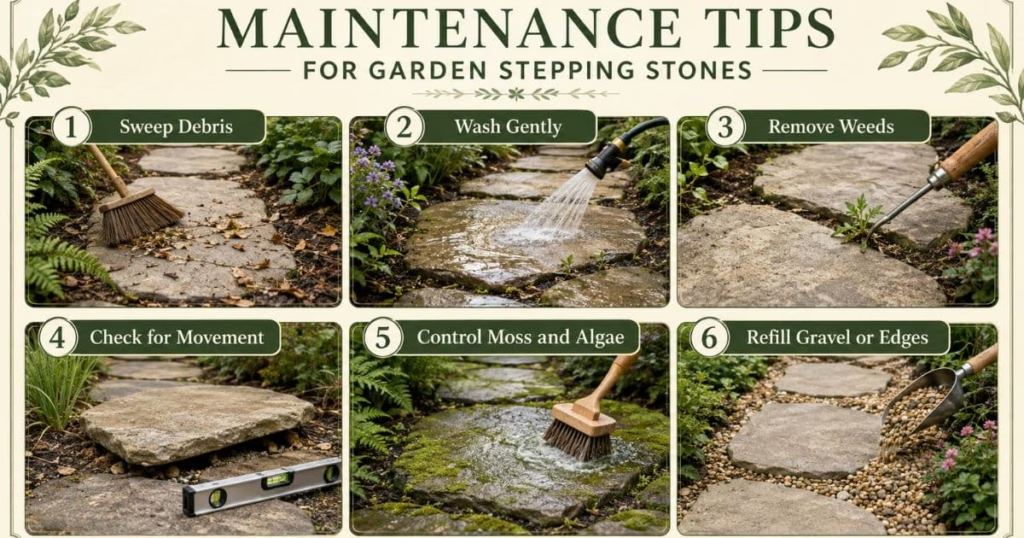
Sweep and Rinse the Stones
Remove leaves, soil, and organic debris before they build up.
A mild rinse is often enough for routine cleaning.
Control Moss and Algae
Shaded or damp stones may develop slippery growth.
Clean the surface with a product suitable for the specific material. Avoid harsh chemicals that may damage plants or nearby soil.
Check for Movement
Inspect the path after heavy rain, winter weather, or ground settlement.
Reset rocking or sunken stones before they create a trip hazard.
Maintain Gravel and Borders
Refill gravel where it has shifted and correct damaged edging.
Clean borders help keep the path defined and easier to maintain.
Avoid Excessive Pressure Washing
High-pressure cleaning can damage softer stone, remove surrounding joint material, or disturb the base.
Use a controlled pressure setting and test a small area first.
DIY vs Professional Installation
A short decorative garden path may be suitable for a careful DIY project.
Professional installation is often a better option when the path involves:
- Large or heavy natural stones
- Poor soil conditions
- Drainage problems
- Sloped ground
- Retaining walls
- Multiple connected walkways
- Foundation concerns
- Complex cutting
- High-traffic entrance areas
A masonry contractor can evaluate the soil, drainage, stone thickness, base requirements, and finished levels before installation.
Why Choose HTCR Corp?
A successful garden path should be attractive, stable, and safe.
At HTCR Corp, we provide masonry, paver, concrete, and exterior improvement services for homes and properties across New York City.
Our team considers the pathway layout, material selection, base preparation, drainage, spacing, and surrounding landscape before installation.
We serve Brooklyn, Manhattan, Queens, the Bronx, Staten Island, Long Island, and Westchester County.
Frequently Asked Questions
What is the best material for garden stepping stones?
Bluestone, flagstone, concrete, brick, slate, and limestone are common options. The best choice depends on the desired appearance, budget, surface texture, weather resistance, and maintenance needs.
What should be placed under stepping stones?
A compacted crushed-stone base and a controlled bedding layer are commonly used. The exact system depends on soil conditions, stone thickness, drainage, and expected use.
Can stepping stones be placed directly on grass?
They can be installed within grass, but the soil beneath each stone should be excavated and prepared. Placing stones loosely on top of grass can cause rocking and unevenness.
How do you stop stepping stones from moving?
Prepare a stable base, compact the supporting material, level each stone, and fill the surrounding edges firmly. Any drainage or soil problems should also be corrected.
How far apart should garden stepping stones be?
The spacing should follow a comfortable walking stride. Place the stones temporarily and test the route before digging.
Are natural stone or concrete stepping stones better?
Natural stone provides unique color and texture, while concrete offers more consistent shapes and often lower costs. Both can perform well when suitable products are installed correctly.
How do you clean garden stepping stones?
Sweep them regularly and use water with a material-safe cleaner when needed. Avoid overly aggressive pressure washing and harsh chemicals.
Can stepping stones help with garden drainage?
They can reduce foot traffic over wet soil, but they do not fix major drainage problems. Standing water should be addressed through grading, drainage improvements, or a properly designed permeable system.
Final Thoughts
Stepping stones for a garden can create a useful walking route while adding texture and character to the landscape.
The best results come from selecting durable materials, testing the spacing, preparing a stable base, and managing drainage correctly.
Whether you prefer natural bluestone, rustic flagstone, modern concrete, or traditional brick, the path should feel comfortable and complement your home.
Plan Your Garden Walkway with HTCR Corp
Need a professionally installed garden path, stone walkway, or paver surface?
Contact HTCR Corp for masonry and exterior improvement services in New York City and surrounding areas. Our team can inspect your outdoor space, discuss material options, and provide an estimate based on your project.
Contact US
Website: www.htcrcorp.com/
Phone: 718-510-6000
Serving: Manhattan, Brooklyn, Queens, The Bronx, Westchester County, and Long Island.
Address: 201 Bay 43rd St 2nd FL Brooklyn, NY 11214