Stucco repair is essential when exterior walls develop cracks, moisture problems, or damaged surfaces. Repairing stucco at the right time helps protect your property from water intrusion, structural concerns, and costly future restoration work.
For homeowners, commercial property owners, and building managers in New York City, maintaining exterior surfaces is especially important. Constant exposure to rain, snow, humidity, and seasonal temperature changes can slowly affect building materials.
Understanding common damage signs, repair methods, and costs can help you make the right decision before small issues become expensive problems.
What Is Stucco Repair?
Stucco repair is the process of restoring damaged exterior stucco surfaces by fixing cracks, replacing weakened areas, and improving weather protection.
A professional restoration process helps maintain:
- Building appearance
- Exterior strength
- Moisture resistance
- Long-term durability
- Property value
Minor surface problems should always be checked early because hidden moisture can create more serious damage behind the wall.
Common Signs Your Stucco Needs Attention
Exterior damage is not always obvious at first. Regular inspections can help identify problems before they spread.
Common warning signs include:
- Visible cracks in stucco walls – Small cracks can expand and allow moisture to enter behind the surface.
- Loose, chipped, or crumbling sections – Damaged areas may indicate aging materials or deeper structural concerns.
- Water stains and moisture marks – Dark spots can be signs of trapped moisture behind exterior walls.
- Bulging or uneven surfaces – Swollen areas may indicate water buildup or separation from the structure.
- Mold and mildew growth – Excess moisture can affect appearance and create unhealthy conditions.
- Soft or weakened areas – A soft surface may suggest hidden water damage underneath.
- Peeling paint or coating problems – Failed coatings often happen when moisture pushes through.
- Surface discoloration – Fading or stains may result from weather exposure or moisture issues.
What Causes Stucco Damage?
Stucco is a strong exterior material, but several conditions can lead to deterioration.
Water Intrusion
Water is one of the biggest causes of exterior wall damage.
Moisture can enter through small cracks, damaged seals, or poorly protected areas. Over time, trapped water can weaken the surface and underlying structure.
NYC Weather Conditions
New York buildings experience different weather challenges throughout the year.
Common factors include:
- Heavy rainfall
- Winter freezing conditions
- Temperature changes
- Humidity
These conditions can gradually affect exterior materials.
Poor Installation
Improper installation can reduce the lifespan of stucco.
Problems may happen because of:
- Incorrect application methods
- Poor surface preparation
- Low-quality materials
- Inadequate sealing
Professional workmanship helps prevent premature damage.
Building Movement
Buildings naturally settle and shift over time.
This movement may create cracks or separation that requires professional attention.
Stucco Repair Cost in NYC
The cost of stucco repair depends on the amount of damage, property size, materials, and repair method required.
Average pricing:
| Service | Estimated Cost |
|---|---|
| Small crack repairs | $300 – $800 |
| Minor patching work | $500 – $1,500 |
| Medium exterior repairs | $1,500 – $5,000 |
| Large restoration projects | $5,000 – $15,000+ |
| Complete replacement | $10,000 – $30,000+ |
A professional inspection provides the most accurate estimate because hidden moisture damage can increase repair needs.
Types of Stucco Restoration Services
Different damage requires different repair methods.
Crack Repair
Small cracks should be repaired before they allow water penetration.
The process usually includes:
- Cleaning damaged sections
- Filling openings
- Matching existing texture
- Applying protective finishes
Surface Patching
Patching restores isolated damaged areas without replacing the entire exterior.
It is commonly used for:
- Small holes
- Impact damage
- Surface deterioration
- Minor weather damage
Moisture Damage Restoration
Water-related problems require careful repair because the visible damage may only be part of the issue.
The process may involve:
- Removing damaged material
- Finding moisture sources
- Restoring affected sections
- Protecting the surface
Residential Stucco Repair Services
Residential stucco repair helps homeowners protect their properties and maintain curb appeal.
Benefits include:
- Improved exterior appearance
- Better protection from weather
- Increased property value
- Prevention of larger repairs
Routine maintenance helps keep your home exterior strong for years.
Commercial Stucco Solutions
Commercial buildings require durable exterior systems that maintain both appearance and performance.
Professional restoration helps:
- Protect the building structure
- Improve customer impression
- Reduce future maintenance costs
- Extend exterior lifespan
Step-by-Step Stucco Repair Process
A professional stucco repair process involves more than covering visible cracks. The goal is to identify the cause of damage, restore the surface correctly, and prevent future problems.
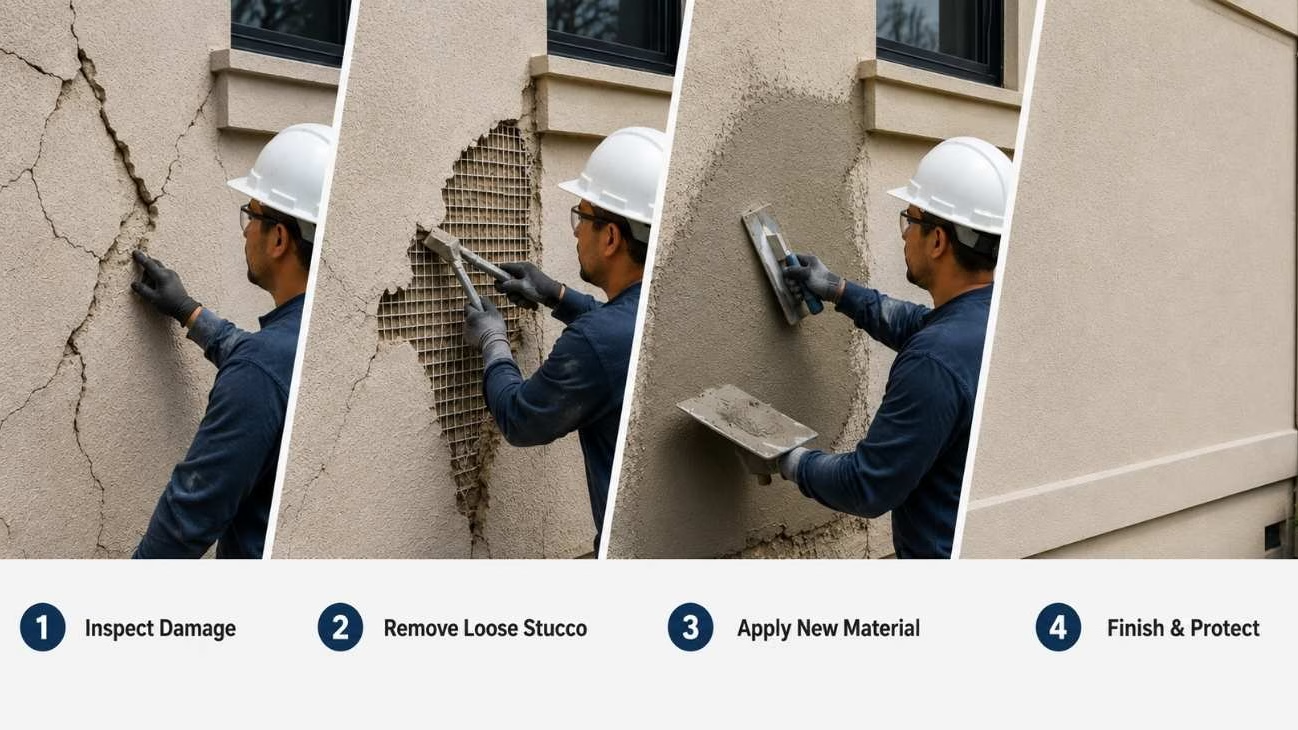
1. Stucco Damage Inspection
The first step is a complete inspection of the exterior surface. Professionals check for cracks, moisture problems, loose materials, and hidden damage behind the stucco.
This helps determine the right repair method and prevents the same issue from returning.
2. Removing Loose or Damaged Stucco
After inspection, damaged sections are carefully removed.
This step clears away:
- Loose stucco pieces
- Weak materials
- Damaged coatings
- Moisture-affected areas
Preparing a clean surface helps the new material bond properly.
3. Surface Preparation and Repair
Before applying new stucco, the area is prepared to ensure long-lasting results.
The process may include:
- Cleaning the repair area
- Fixing underlying issues
- Preparing the base layer
- Improving moisture protection
Proper preparation is one of the most important steps for durability.
4. Applying New Stucco Material
Fresh stucco material is applied in layers to rebuild and strengthen the damaged section.
Professional application helps match:
- Existing wall texture
- Surface finish
- Building appearance
This creates a seamless repair that blends with the original exterior.
5. Finishing and Protective Coating
The final step includes smoothing, finishing, and applying protective coatings if needed.
A quality finish helps improve:
- Weather resistance
- Exterior appearance
- Long-term performance
Following the correct stucco restoration process helps protect NYC residential and commercial properties from future damage.
Should Stucco Be Repaired or Replaced?
The right option depends on the condition of the existing material.
Repair is usually recommended when:
- Damage is limited
- Cracks are minor
- The structure is stable
Replacement may be needed when:
- Damage covers large areas
- Moisture has spread
- Exterior materials are failing
A detailed inspection helps determine the most effective solution.
Professional Stucco Repair Services by HTCR Corp
HTCR Corp provides reliable stucco repair services for residential and commercial properties throughout New York City.
Our experienced team handles:
- Stucco crack restoration
- Exterior wall repairs
- Moisture damage solutions
- Surface restoration
- Building exterior maintenance
We focus on durable repairs that improve protection, appearance, and long-term performance.
Frequently Asked Questions
How much does stucco repair cost?
Professional stucco repair usually ranges from several hundred dollars for minor damage to several thousand dollars for larger restoration projects.
Can cracked stucco be fixed?
Yes. Cracks can often be repaired by sealing damaged areas, restoring texture, and protecting the surface.
How long does repaired stucco last?
Quality repairs can last many years when completed correctly and maintained properly.
What happens if damaged stucco is ignored?
Small problems can allow moisture inside, leading to more expensive exterior and structural repairs.
Does HTCR Corp provide stucco services in NYC?
Yes. HTCR Corp offers professional exterior repair and restoration services for residential and commercial properties across NYC.
Final Thoughts
Stucco repair is an important step in protecting your property from moisture damage, exterior wear, and costly future repairs.
Addressing cracks and damaged areas early helps maintain appearance, strength, and long-term value.
For NYC homeowners and commercial property owners, HTCR Corp provides dependable exterior solutions designed for lasting protection.
Contact US
Website: www.htcrcorp.com/
Phone: 718-510-6000
Serving: Manhattan, Brooklyn, Queens, The Bronx, Westchester County, and Long Island.
Address: 201 Bay 43rd St 2nd FL Brooklyn, NY 11214