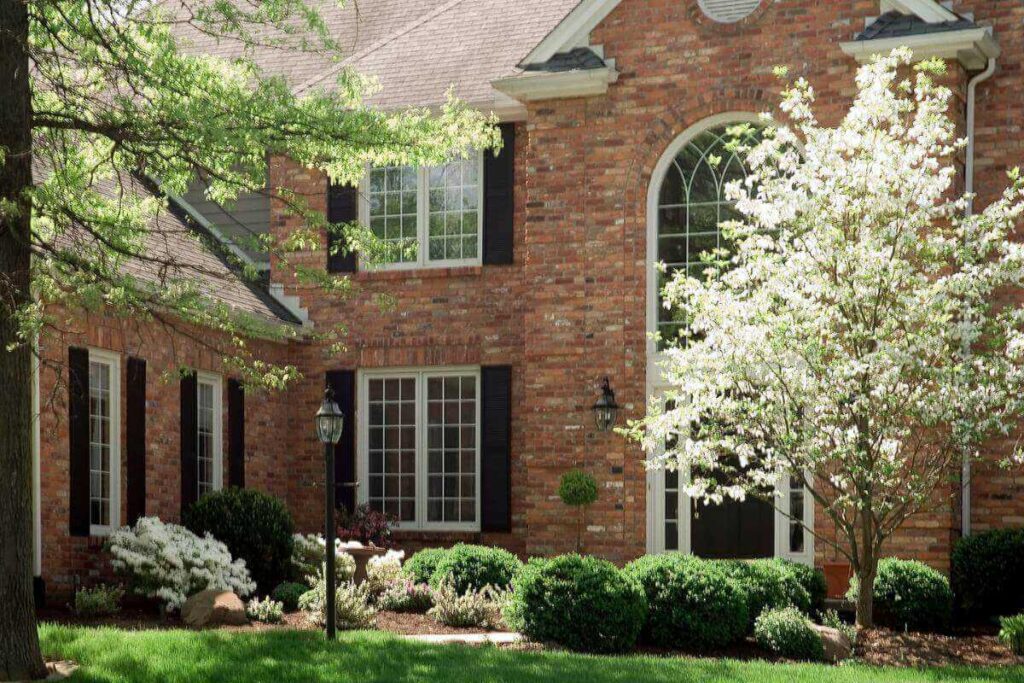
A window lintel is one of the most important structural components of a building, yet it often goes unnoticed. Installed above a window opening, the lintel supports the weight of the wall above and transfers that load safely to the surrounding masonry. Without a properly installed lintel, bricks can crack, walls may begin to sag, and windows can become difficult to operate.
Whether you’re building a new home or maintaining an older property, understanding how a window lintel works can help you identify problems early and avoid costly structural repairs. From choosing the right material to recognizing signs of damage, this guide covers everything homeowners need to know.
What Is a Window Lintel?
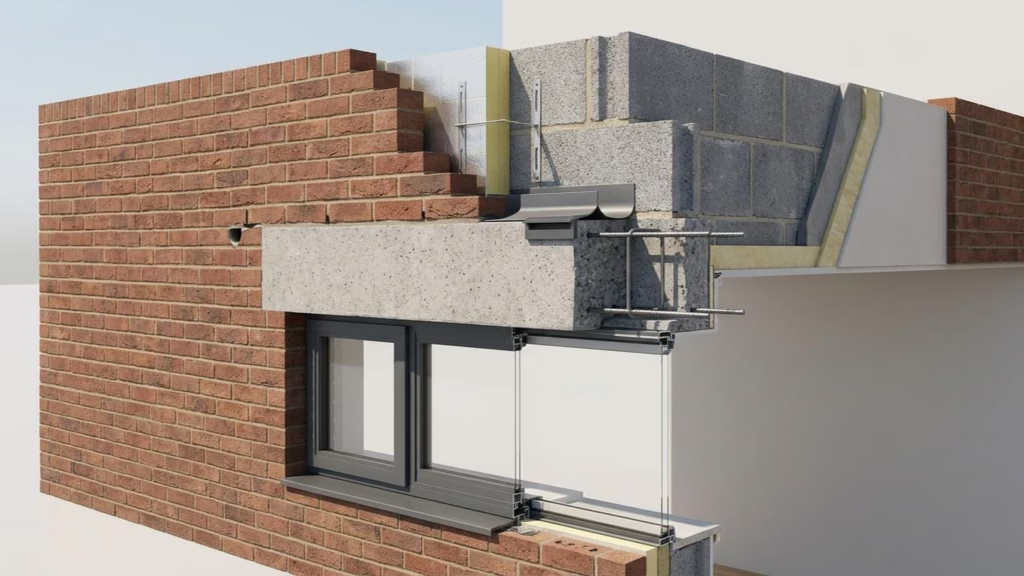
A window lintel is a horizontal structural beam installed directly above a window opening. Its primary purpose is to support the weight of the bricks, concrete, or other building materials located above the window.
Instead of allowing that weight to rest on the window frame, the lintel transfers the load to the walls on either side. This helps keep the wall stable and prevents unnecessary stress on the window.
Window lintels are commonly used in:
- Brick homes
- Stone buildings
- Commercial properties
- Apartment buildings
- Garages
- Home extensions
Without a properly functioning lintel, the structural integrity of the wall can be compromised over time.
Why Is a Window Lintel Important?
A window opening creates a gap in a wall, which naturally weakens its ability to support weight. The lintel bridges this opening and provides the strength needed to keep the wall secure.
A properly installed window lintel offers several important benefits.
Supports the Wall Above
The lintel carries the weight of the masonry above the window and distributes it evenly across the surrounding walls. This prevents excessive pressure from being placed on the window frame.
Prevents Structural Cracks
Without adequate support, brickwork above the window may begin to crack. A strong lintel helps reduce movement and keeps the wall stable.
Protects Window Frames
A damaged or missing lintel can place additional stress on window frames, causing them to warp, stick, or become difficult to open and close.
Improves Building Stability
Lintels strengthen exterior walls by maintaining proper load distribution. This contributes to the long-term stability of both residential and commercial buildings.
Extends the Life of the Structure
By supporting the surrounding masonry, lintels help reduce wear on bricks and mortar, allowing the building to remain structurally sound for many years.
Common Types of Window Lintels
Different construction projects require different types of lintels. The best choice depends on the building’s design, load requirements, and construction materials.
Steel Lintels
Steel lintels are the most commonly used option in modern brick construction. They provide excellent strength while remaining relatively lightweight.
Advantages include:
- High load-bearing capacity
- Long lifespan
- Suitable for residential and commercial buildings
- Available in corrosion-resistant finishes
Steel lintels are often the preferred choice for supporting brick walls above windows and doors.
Concrete Lintels
Concrete lintels are designed to support heavier loads and are frequently used in larger buildings.
They offer excellent durability and require very little maintenance once installed. Concrete lintels are commonly found in homes, apartment buildings, and commercial construction.
Timber Lintels
Timber lintels were widely used in older homes before steel and concrete became standard building materials.
Although they can still be found in historic properties, timber is less common in modern construction because it is more vulnerable to moisture, insects, and decay.
Brick Lintels
Brick lintels are often chosen for their decorative appearance. In many cases, they are reinforced with hidden steel supports to provide the necessary structural strength.
This type of lintel is commonly used on traditional homes where maintaining the architectural style is important.
Signs Your Window Lintel Needs Repair
A damaged window lintel often develops gradually, making it easy to overlook early warning signs. Regular inspections can help identify problems before they become serious.
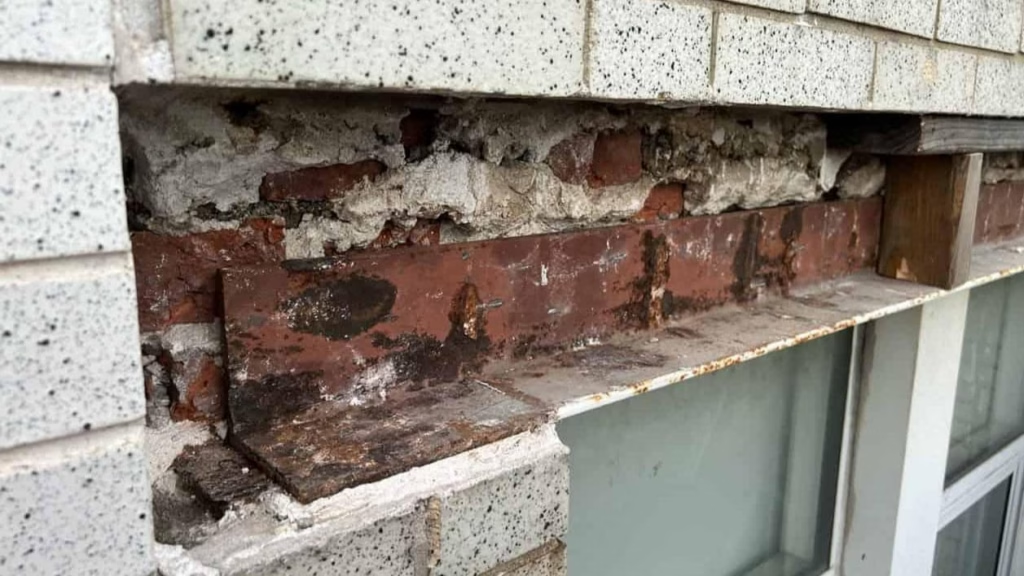
Cracks Above the Window
Horizontal or stepped cracks in the brickwork above a window are among the most common signs of lintel failure.
These cracks usually indicate that the lintel is no longer supporting the wall properly.
Sagging Brickwork
If the bricks above your window appear to be sinking or bowing, the lintel may have weakened over time.
Ignoring sagging masonry can lead to more extensive structural damage.
Sticking Windows
When a lintel begins to fail, it can place pressure on the window frame. As a result, windows may become difficult to open or close.
If the problem develops suddenly, it’s worth having the lintel inspected by a professional.
Water Leaks Around Windows
Damaged lintels can allow moisture to enter the wall through cracks in the surrounding masonry.
Common warning signs include:
- Damp interior walls
- Water stains
- Peeling paint
- Mold growth around the window
Addressing these issues early helps prevent additional damage.
Rust Stains on Brickwork
Steel lintels can corrode if moisture reaches the metal. As rust expands, it may push against the surrounding bricks, causing cracks and visible rust stains.
Rust is often an early indicator that the lintel requires professional attention.
Common Problems Caused by a Damaged Window Lintel
If a damaged lintel is left unrepaired, the condition of the surrounding wall can continue to deteriorate.
Some of the most common problems include:
- Cracked brickwork
- Loose masonry
- Water intrusion
- Window frame movement
- Structural instability
- Higher repair costs
Identifying these problems early can help prevent more extensive restoration work.
What Causes Window Lintel Damage?
Although window lintels are designed to last for many years, they are constantly exposed to weather, moisture, and structural movement. Over time, these factors can weaken the lintel and affect the surrounding brickwork.
Understanding the common causes of damage can help homeowners identify problems before they become expensive repairs.
Water Penetration
Water is one of the biggest threats to a window lintel. If moisture enters through damaged mortar joints or cracks in the brickwork, it can gradually weaken both the lintel and the surrounding masonry.
Over time, water damage may lead to corrosion, cracks, or loose bricks above the window.
Rust and Corrosion
Steel lintels are strong, but they can rust if they are exposed to moisture for long periods.
As rust expands, it pushes against the surrounding bricks, causing visible cracks and movement in the wall. Early treatment can prevent more serious structural damage.
Foundation Movement
Buildings naturally settle over time. However, excessive foundation movement can place additional stress on the lintel.
When this happens, you may notice stepped cracks in the brickwork or gaps forming around the window frame.
Freeze-Thaw Cycles
In colder climates, water trapped inside small cracks freezes and expands during winter. When temperatures rise, the ice melts, leaving larger cracks behind.
Repeated freeze-thaw cycles gradually weaken the brickwork and the window lintel.
Poor Installation
A lintel that is installed incorrectly may not distribute the wall’s weight properly. This can cause bricks to crack or sag much sooner than expected.
Hiring experienced masonry professionals helps ensure the lintel is installed correctly from the start.
Age and Natural Wear
Like all building materials, lintels experience wear over time. Older properties may have timber or steel lintels that have reached the end of their service life.
Routine inspections can identify ageing components before they fail completely.
Window Lintel Repair vs. Replacement
Not every damaged lintel needs to be replaced. In many cases, minor problems can be repaired before they become more serious.
The best solution depends on the extent of the damage and the overall condition of the wall.
| Feature | Window Lintel Repair | Window Lintel Replacement |
| Cost | Generally lower | Higher investment |
| Time Required | Usually quicker | Takes longer |
| Best For | Minor cracks or rust | Severe corrosion or structural failure |
| Structural Support | Restores strength | Provides a completely new support system |
| Lifespan | Extends existing lintel | Offers the longest-term solution |
A professional inspection can determine whether repair or replacement is the safest option.
How Is a Window Lintel Replaced?
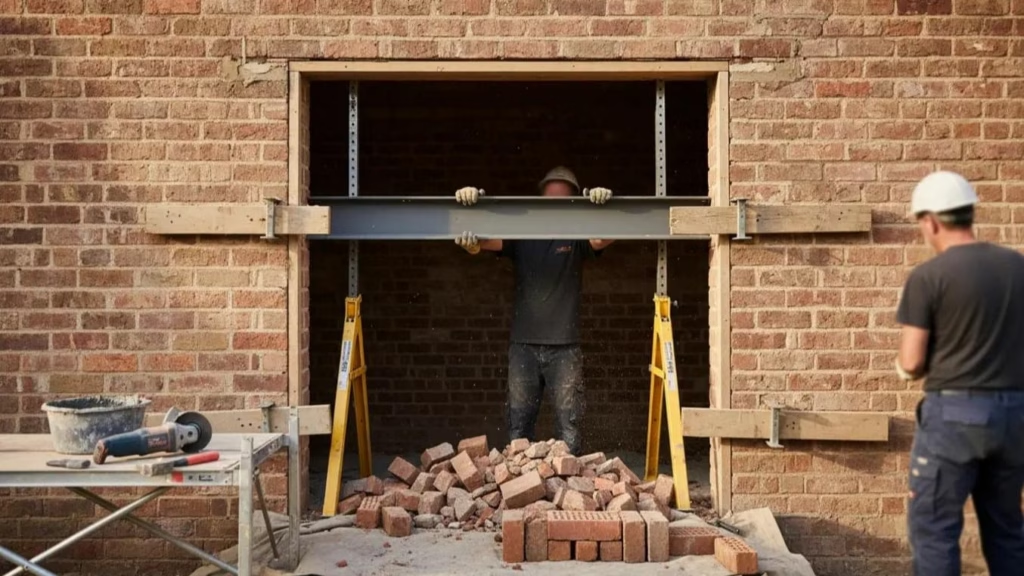
Replacing a damaged window lintel requires careful planning to protect the structural integrity of the building.
Professional contractors follow a systematic process to complete the work safely.
Step 1: Inspection
The project begins with a thorough inspection of the brickwork, mortar joints, and existing lintel. This helps determine the extent of the damage and the most suitable replacement material.
Step 2: Temporary Structural Support
Before removing the old lintel, temporary supports are installed to carry the weight of the wall.
This prevents movement while the replacement is being completed.
Step 3: Remove the Damaged Lintel
The contractor carefully removes the deteriorated lintel without damaging the surrounding masonry.
Any damaged bricks or mortar are also removed if necessary.
Step 4: Install the New Lintel
The new lintel is positioned securely above the window opening and aligned correctly to support the wall.
The type of lintel used depends on the building’s design and load requirements.
Step 5: Rebuild the Brickwork
Once the lintel is in place, the surrounding bricks are rebuilt and new mortar is applied to match the existing masonry.
This restores both the strength and appearance of the wall.
Step 6: Final Inspection
After installation, the contractor performs a final inspection to ensure the lintel is properly supporting the wall and that all repairs meet industry standards.
Factors That Affect Window Lintel Replacement Cost
The cost of replacing a window lintel varies depending on several factors. Every project is unique, so obtaining a professional inspection is the best way to receive an accurate estimate.
Some of the main factors include:
Type of Lintel
Steel, concrete, and other lintel materials vary in price. The material selected will affect the overall project cost.
Window Size
Larger windows require longer lintels and additional support, which increases both material and labour costs.
Extent of Brick Repairs
If cracked bricks or damaged mortar need to be repaired during the replacement, the total cost will be higher.
Accessibility
Second-storey windows or difficult-to-reach areas often require scaffolding or specialised equipment.
This can increase labour costs and project duration.
Labour and Experience
Experienced masonry contractors may charge more, but quality workmanship helps ensure the replacement is completed safely and lasts for many years.
Choosing skilled professionals often saves money by reducing the risk of future repairs.
Why Early Repairs Save Money
Many homeowners delay repairs because the initial damage appears small. Unfortunately, a failing window lintel rarely improves on its own.
Addressing problems early can help you avoid:
- Extensive brick replacement
- Structural wall damage
- Water intrusion
- Interior repairs
- Higher restoration costs
Regular inspections and prompt repairs are often the most cost-effective way to protect your property.
How to Maintain a Window Lintel
A properly installed window lintel can last for decades, but regular maintenance is essential to keep it in good condition. Simple inspections and timely repairs can help prevent structural damage and extend the life of your home’s masonry.
Here are some practical maintenance tips every homeowner should follow.
Inspect Your Brickwork Annually
Check the area above and around your windows at least once a year. Look for signs of cracks, loose bricks, or damaged mortar joints.
Early detection allows small problems to be repaired before they become major structural issues.
Keep Gutters and Downspouts Clean
Overflowing gutters can direct water onto the brickwork above your windows. Over time, this moisture can damage the lintel and surrounding masonry.
To reduce the risk:
- Remove leaves and debris regularly.
- Repair leaking gutters.
- Ensure downspouts direct water away from the building.
Repair Mortar Joints Promptly
Damaged mortar allows water to seep behind the brickwork, increasing the risk of rust and deterioration.
Repointing worn mortar joints helps protect both the lintel and the surrounding wall.
Watch for Rust Stains
If your property has steel lintels, inspect them periodically for rust stains or corrosion.
Rust can expand over time, placing pressure on the surrounding bricks and causing cracks. Addressing corrosion early can prevent costly repairs.
Seal Small Cracks
Minor cracks should never be ignored. Water can easily enter these openings and cause further damage during freezing weather.
Having small cracks repaired promptly helps preserve the structural integrity of the wall.
Common Mistakes to Avoid
Many lintel problems become worse because homeowners delay repairs or attempt temporary fixes. Avoiding these common mistakes can save both time and money.
Ignoring Warning Signs
Small cracks above a window may seem harmless, but they often indicate that the lintel is under stress.
Scheduling an inspection early can prevent more extensive damage.
Delaying Repairs
Waiting too long to repair a damaged lintel allows the problem to spread to nearby bricks and mortar.
Timely repairs are almost always more affordable than major structural restoration.
Attempting DIY Structural Repairs
Replacing or repairing a window lintel requires specialised knowledge and equipment.
Removing a lintel without properly supporting the wall can create serious safety risks.
Using Incorrect Materials
Installing the wrong type of lintel or using incompatible mortar can reduce the strength of the wall.
Professional contractors select materials that match the building’s structural requirements.
Hiring Inexperienced Contractors
Choosing the lowest quote isn’t always the best decision. Poor workmanship can lead to recurring problems and additional repair costs.
Always work with experienced masonry professionals who understand structural repairs.
Why Hire a Professional Window Lintel Contractor?
A damaged lintel affects more than just the appearance of your property—it can compromise the safety of the entire structure.
Professional contractors have the expertise to diagnose the problem correctly and recommend the most effective solution.
Benefits of hiring a professional include:
- Accurate structural assessment
- Safe removal and installation
- High-quality workmanship
- Proper load support
- Compliance with building standards
- Long-lasting repairs
Professional installation also provides peace of mind that the repair has been completed correctly.
Why Choose HTCR Corp?
At HTCR Corp, we provide expert window lintel repair and replacement services for residential and commercial properties. Our experienced team understands the importance of maintaining your building’s structural integrity while preserving its appearance.
Before starting any project, we perform a detailed inspection to determine the cause of the damage and recommend the most effective solution.
Our services include:
- Window lintel repair
- Window lintel replacement
- Brick and masonry repair
- Repointing and tuckpointing
- Structural masonry restoration
- Exterior wall repairs
- Waterproofing solutions
- Preventive masonry maintenance
We use quality materials and proven techniques to ensure every repair is completed safely and built to last.
Frequently Asked Questions (FAQs)
How long does a window lintel last?
A properly installed lintel can last 50 years or more, depending on the material, weather conditions, and maintenance.
Can a cracked window lintel be repaired?
Yes. Minor damage can often be repaired, while severe corrosion or structural failure may require a full replacement.
What are the signs of a failing window lintel?
Common warning signs include:
- Horizontal cracks above windows
- Stepped cracks in brickwork
- Rust stains
- Sagging bricks
- Windows that stick or won’t close properly
Is window lintel replacement a major job?
It is considered a structural repair because the wall above the window must be temporarily supported during the replacement process. This work should always be completed by experienced professionals.
Final Thoughts
A window lintel may not be visible every day, but it plays a vital role in supporting your home’s structure. Recognizing early signs of damage and carrying out timely repairs can prevent expensive structural issues and help protect your property’s value.
Regular inspections, proper maintenance, and professional repairs will ensure your lintels continue to support your building safely for many years.
Contact HTCR Corp Today
If you’ve noticed cracks above your windows, rust stains, or sagging brickwork, don’t wait for the damage to worsen.
HTCR Corp offers professional window lintel repair and replacement services backed by skilled craftsmanship and reliable customer support. We’ll inspect your property, identify the issue, and provide a long-lasting solution tailored to your needs.
Contact HTCR Corp today to schedule your inspection and receive a free estimate.
Contact US
Website: www.htcrcorp.com/
Phone: 718-510-6000
Serving: Manhattan, Brooklyn, Queens, The Bronx, Westchester County, and Long Island.
Address:201 Bay 43rd St 2nd FL Brooklyn, NY 11214