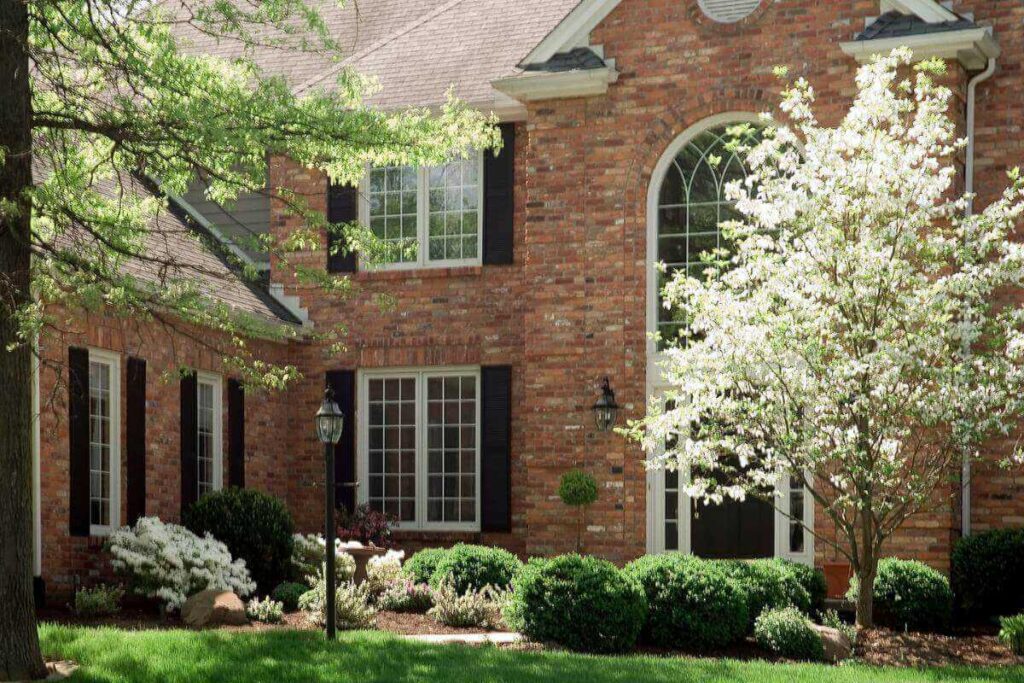
A brick driveway can give your property a strong, attractive, and timeless entrance. It offers more character than a plain concrete surface and can be customized with different colors, borders, and laying patterns.
However, a long-lasting driveway requires more than attractive bricks. Excavation, base preparation, drainage, edge restraints, and compaction all affect its performance. Poor installation can cause sinking, loose pavers, standing water, and uneven areas.
This guide explains brick driveway installation, costs, materials, patterns, maintenance, and permit considerations for New York City homeowners.
At HTCR Corp, we provide professional masonry and driveway installation services across New York City. Our team helps property owners select suitable materials and build stable outdoor surfaces designed for local conditions.
What Is a Brick Driveway?
A brick driveway is a paved vehicle surface made from individual clay bricks or brick-style concrete pavers. The units are placed in a selected pattern over a carefully prepared base.
Unlike poured concrete, a brick driveway consists of separate pieces. This makes it possible to replace individual damaged pavers without removing the entire driveway.
Brick driveways are popular for brownstones, townhouses, detached homes, and traditional properties. They can also complement modern homes when installed with clean lines, neutral colors, and simple borders.
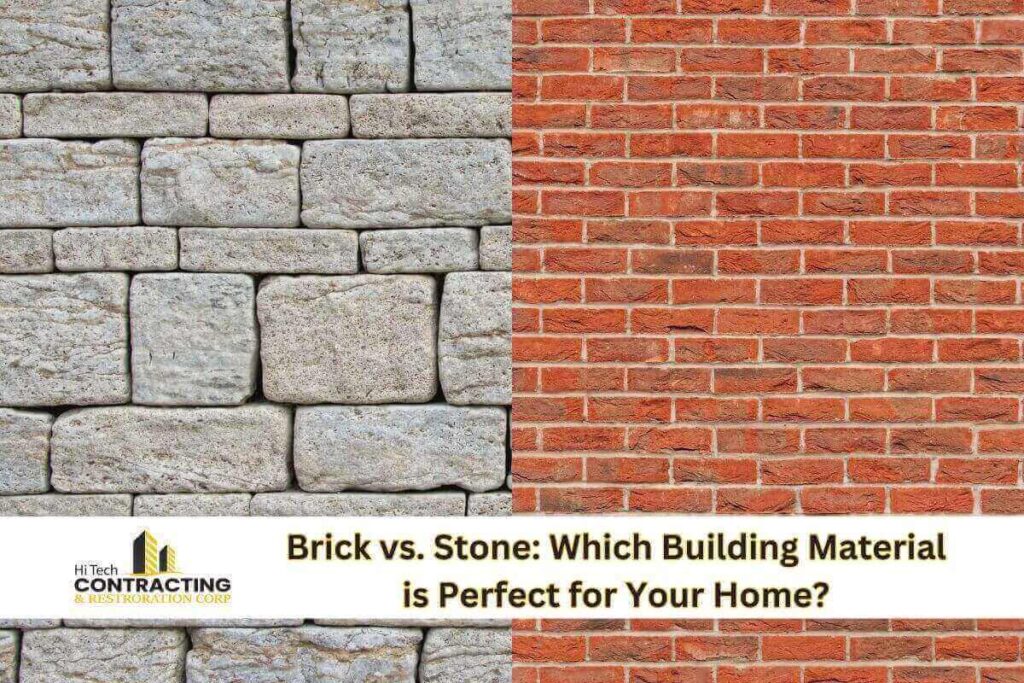
Clay Brick Pavers vs Concrete Pavers
Clay brick and concrete pavers may look similar, but they are different materials.
Clay Brick Pavers
Clay brick pavers are manufactured from molded clay that is fired at a high temperature. Their color runs through the material instead of being applied only to the surface.
Clay bricks offer a traditional appearance and work well with historic or classic properties. Their color tends to remain stable, although the surface can chip or wear over time.
Concrete Pavers
Concrete pavers are manufactured from cement, aggregates, water, and pigments. They are available in more shapes, textures, sizes, and colors than traditional clay brick.
Concrete pavers can imitate brick, stone, or other materials. They are often selected for modern driveway designs because of their versatility.
Only products rated for driveway use should be installed in vehicle areas. Standard wall bricks or thin decorative units may not be suitable for vehicle loads or New York freeze-and-thaw conditions.
Benefits of a Brick Driveway
A professionally installed brick driveway offers several practical and visual benefits.
Attractive Curb Appeal
Brick adds texture, color, and definition to the front of a property. Homeowners can select traditional red brick, charcoal shades, earth tones, or mixed-color combinations.
Borders can also be added to frame the driveway and connect it visually with walkways, steps, retaining walls, or the building exterior.
Long-Term Durability
Driveway-rated pavers can handle regular vehicle traffic when supported by a properly prepared base. Their performance depends on soil conditions, drainage, installation quality, traffic, and maintenance.
Individual pavers may still crack, chip, or settle. However, damaged sections are often easier to repair than a large poured surface.
Easier Local Repairs
A contractor can remove and replace individual damaged bricks. Sunken areas can also be lifted, corrected, and reset if the underlying problem is properly addressed.
Replacement bricks may not always match older materials perfectly, especially when the original surface has faded or weathered.
Flexible Design Options
Brick pavers can be installed in multiple patterns, including herringbone, running bond, and basketweave. Homeowners can also add contrasting borders or circular accents.
The selected design should match the property while remaining suitable for vehicle movement.
Permeable Options
Some interlocking paver systems are designed with permeable joints that allow rainwater to pass through the surface into layers below. The Environmental Protection Agency notes that permeable pavement can reduce runoff by allowing water and melting snow to infiltrate through the pavement system.
A permeable driveway requires specific materials, an open-graded stone base, suitable soil conditions, and proper drainage design. Simply leaving wider gaps between standard bricks does not create a complete permeable pavement system.
Disadvantages of a Brick Driveway
Brick driveways offer many benefits, but homeowners should also understand their limitations.
Common disadvantages include:
- Higher installation costs than basic asphalt or poured concrete
- Possible settling when the base is weak or poorly compacted
- Weed or moss growth in neglected joints
- Joint sand loss after heavy cleaning or weather exposure
- Possible chipping or surface wear
- Color differences when old bricks are replaced
- Longer installation time for detailed patterns
- Periodic cleaning and joint maintenance
Most serious problems are connected to improper base preparation, weak edge restraints, or poor drainage rather than the surface material alone.
Best Brick Driveway Patterns
The pattern affects the driveway appearance and its resistance to movement.
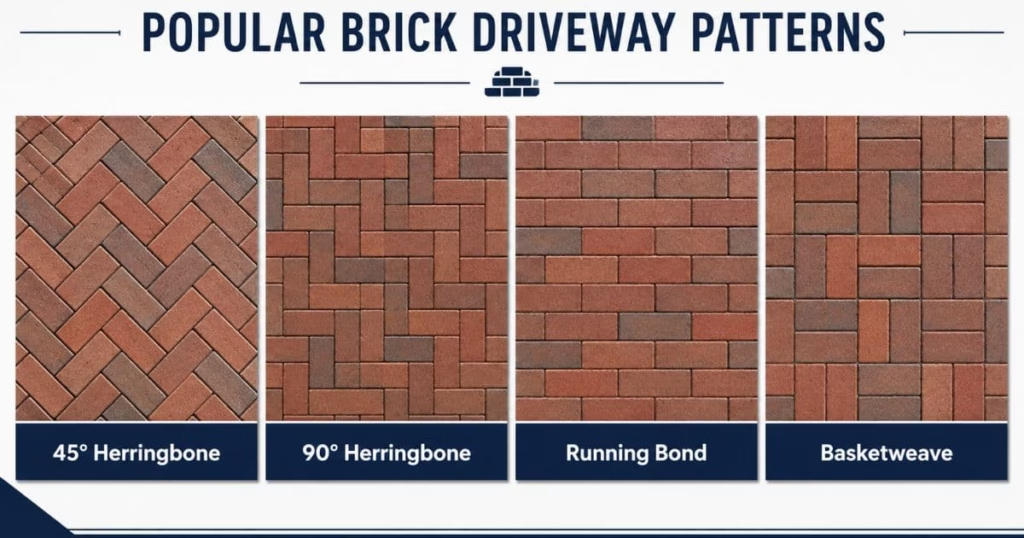
45-Degree Herringbone
A 45-degree herringbone layout creates a diagonal, interlocking pattern. It works well for wide driveways and adds strong visual movement.
This pattern requires more edge cuts, so labor and material waste may be higher.
90-Degree Herringbone
A 90-degree herringbone pattern creates a more structured appearance. Its interlocking layout makes it a popular option for vehicle areas.
It can complement both traditional and modern homes.
Running Bond
Running bond places each row so that the joints are offset from the row beside it. It creates a simple and familiar brick appearance.
The direction of the pattern should be planned carefully in vehicle areas to help manage movement.
Basketweave
Basketweave places pairs of bricks in alternating directions. It works especially well with traditional homes, garden-style entrances, and decorative areas.
A contractor should confirm that the selected units and layout are appropriate for the expected driveway traffic.
Contrasting Border
A contrasting border frames the main driveway surface. It can use a different color, size, or laying direction.
Borders also help create a cleaner transition between the driveway and nearby landscaping.
Stacked Bond
Stacked bond places bricks in straight, aligned rows. It creates a clean modern appearance but offers less visual interlocking than herringbone.
It may be more appropriate for borders, walkways, or lightly used areas unless the complete pavement system is designed for vehicle loads.
Brick Driveway Installation Process
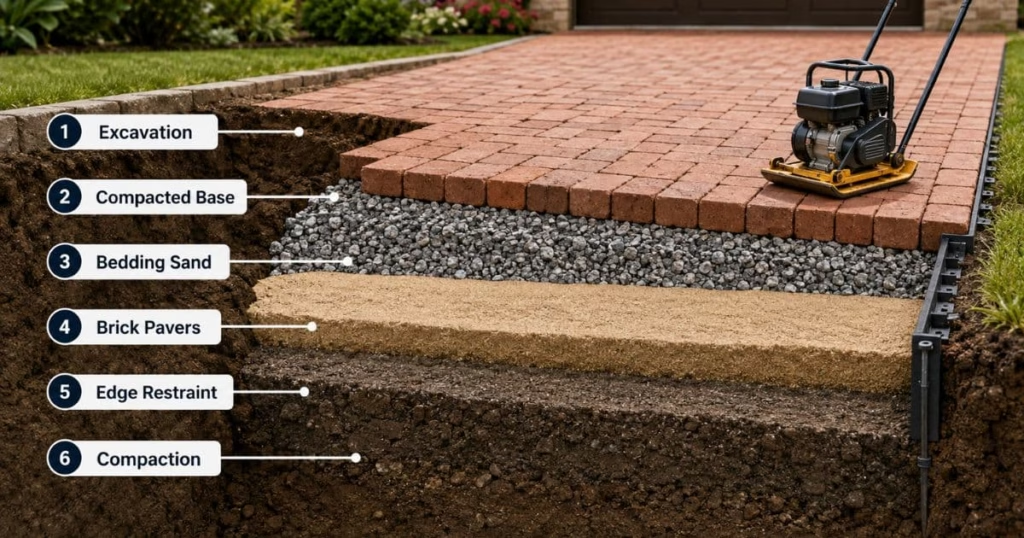
Professional brick driveway installation involves several connected stages.
1. Site Assessment
The contractor inspects the driveway size, soil, existing surface, slope, drainage, access, and expected vehicle use.
The site assessment also helps identify nearby sidewalks, curbs, trees, utilities, and building entrances.
2. Layout and Planning
The driveway dimensions and pattern are marked before excavation begins. The contractor calculates the required amount of pavers, base material, bedding material, joint sand, and edging.
Drainage and finished elevations must be planned before the surface is installed.
3. Excavation
The old pavement, soil, debris, or damaged base is removed to the required depth.
Excavation depth varies according to soil conditions, paver thickness, expected loads, drainage design, and the type of base being installed. A driveway generally requires a stronger pavement structure than a patio or walkway.
4. Subgrade Preparation
The exposed soil is inspected and prepared. Weak or unstable areas must be corrected before the aggregate base is added.
A geotextile may be recommended in certain soil conditions to help separate the soil from the aggregate. Its use depends on the site and pavement design.
5. Aggregate Base Installation
Crushed aggregate is installed in controlled layers and compacted. The base must be even, stable, and designed to support regular vehicle traffic.
A weak base can cause sinking and movement even when premium pavers are used.
6. Drainage and Grading
The surface must be graded to direct water toward an approved drainage area and away from the building.
Low spots can hold water and contribute to staining, ice formation, joint deterioration, and base problems.
7. Bedding Layer
A uniform bedding layer is screeded over the compacted base. It creates a level surface for accurate paver placement.
Bedding material should not be used to hide major imperfections in the aggregate base.
8. Paver Installation
The pavers are placed according to the selected pattern. Contractors check alignment frequently and make controlled cuts around borders, curves, drains, and fixed objects.
Proper spacing must be maintained throughout the surface.
9. Edge Restraints
Edge restraints are installed to help prevent the pavers from spreading or shifting.
Weak or missing restraints can cause border bricks to move outward over time.
10. Joint Filling and Compaction
Jointing material is swept into the spaces between the pavers. The surface is then compacted according to the paver manufacturer’s requirements.
Additional joint material may be applied after compaction to fill remaining gaps.
11. Final Inspection
The completed driveway is checked for alignment, drainage, stability, joint filling, edge support, and surface damage.
The contractor should also explain cleaning, curing, sealing, or traffic restrictions that apply to the selected system.
Brick Driveway Cost in NYC for 2026
Brick driveway installation costs depend on the property and should be confirmed through an on-site estimate.
A local 2026 market estimate places professionally installed brick paver projects in New York City at approximately $20 to $32 per square foot. Complicated patterns, limited access, drainage work, premium products, or extensive demolition can increase the price. This is a planning range rather than a guaranteed quote.
For example, a basic 400-square-foot driveway could have an estimated starting range of approximately $8,000 to $12,800 based on those rates. The actual total may be higher or lower after the site is inspected.
Factors That Affect Brick Driveway Cost
The final price can be affected by:
- Total driveway size
- Clay brick or concrete paver selection
- Paver thickness and product quality
- Pattern complexity
- Amount of cutting required
- Existing driveway demolition
- Excavation depth
- Soil stability
- Aggregate base requirements
- Drainage improvements
- Edge restraints
- Steps, walls, or borders
- Limited property access
- Material transportation
- Debris removal
- Permit or design requirements
Straight layouts with standard pavers usually cost less than circular designs, complex borders, or mixed-size patterns.
Does a Brick Driveway Require a Permit in NYC?
Permit requirements depend on the exact scope of work.
Replacing pavers within an existing private driveway may involve different requirements from creating or changing a curb cut, sidewalk, drainage connection, or parking area.
The NYC Department of Buildings states that a curb-cut project requires approved plans and a work permit. Sidewalk and curb permits may also be required from the NYC Department of Transportation. A New York State licensed Professional Engineer or Registered Architect must submit the curb-cut permit application.
Property owners should confirm requirements before construction begins. Installing or changing a curb cut without approval can result in violations, fines, and corrective work.
Brick Driveway Maintenance Tips
Regular maintenance helps protect the appearance and stability of a brick driveway.
Sweep the Surface
Remove leaves, soil, litter, and other debris. Organic material left in damp joints may encourage moss or weed growth.
Clean Stains Promptly
Oil, grease, rust, and other stains become more difficult to remove when left on the surface.
Use a cleaning product approved for the specific paver material. Test it on a small hidden area first.
Wash Carefully
Use a garden hose or a controlled pressure-washing setting when deeper cleaning is needed.
Avoid directing strong pressure into the joints. Excessive pressure can remove jointing material or damage the paver surface.
Replace Missing Joint Material
Inspect the joints after cleaning and severe weather. Refill them with the material recommended for the installed paver system.
Maintained joints help reduce movement and limit unwanted plant growth.
Repair Sunken Areas
Do not ignore low or uneven sections. They may indicate poor compaction, base movement, erosion, or drainage problems.
The underlying cause should be repaired before the pavers are reset.
Use Deicing Products Carefully
Not every deicing chemical is suitable for brick or concrete pavers. Follow the paver manufacturer’s recommendations and avoid products that may damage the surface or joints.
Consider Sealing Carefully
Sealing may reduce staining and make maintenance easier, but it is not required for every driveway.
The wrong sealer can change the color, create a glossy appearance, trap moisture, or increase surface slipperiness. Use a compatible product and follow manufacturer instructions.
Signs Your Brick Driveway Needs Repair
Arrange an inspection when you notice:
- Sunken or raised sections
- Standing water
- Loose or rocking pavers
- Cracked or chipped bricks
- Widening joints
- Missing joint sand
- Moving edge bricks
- Recurring weeds
- Drainage toward the building
- Uneven areas that create a trip hazard
Early repairs can prevent a small section from developing into a larger base or drainage problem.
DIY vs Professional Brick Driveway Installation
Installing a small garden path may be manageable for an experienced homeowner. A driveway is more demanding because it must support vehicles and manage water correctly.
Professional installation is usually the safer choice for a full driveway because contractors can provide:
- Proper excavation
- Stable base preparation
- Accurate compaction
- Consistent grading
- Effective drainage
- Precise cutting
- Strong edge restraints
- Suitable driveway-rated materials
- Permit guidance when required
A surface can look level immediately after installation but still fail later if the base, joints, drainage, or edges were not prepared correctly.
Why Choose HTCR Corp?
A brick driveway is only as reliable as the system underneath it.
At HTCR Corp, we approach driveway installation as a complete masonry project. Our team considers the soil, base, grading, drainage, paver selection, pattern, edge support, and surrounding property features.
We provide brick driveway and exterior masonry services for homeowners and property managers across Brooklyn, Manhattan, Queens, the Bronx, Staten Island, Long Island, and Westchester County.
Our goal is to create a driveway that complements your property while providing a stable and practical surface for everyday use.
Frequently Asked Questions
How long does a brick driveway last?
A properly installed brick driveway can provide decades of service. Its lifespan depends on material quality, base preparation, drainage, traffic, climate, and maintenance.
What is the best brick pattern for a driveway?
Herringbone is one of the most popular driveway patterns because its interlocking layout handles movement well. The best option still depends on the paver type, driveway shape, and design.
Is brick more expensive than concrete?
Brick paver installation often costs more than basic poured concrete. The final difference depends on excavation, materials, labor, drainage, pattern complexity, and property access.
Can individual driveway bricks be replaced?
Yes. One benefit of a segmental driveway is that damaged pavers can often be removed and replaced individually. Matching an older color may be difficult if the original bricks have weathered.
Does a brick driveway need sealing?
Sealing is optional for many brick driveways. A compatible sealer may reduce staining, but it must be selected and applied correctly.
Can weeds grow through a brick driveway?
Weeds commonly grow when seeds settle in joints containing dirt and organic material. Maintaining the jointing material and cleaning the surface can reduce growth.
Are permeable brick driveways available?
Yes. Permeable interlocking paver systems allow water to pass through specially designed joints and underlying stone layers. They require professional design and are different from standard brick installations.
Do I need approval to change my driveway in NYC?
Approval may be required when work affects a curb cut, sidewalk, curb, parking area, or other regulated feature. Confirm the project requirements with the appropriate NYC agencies before starting.
Final Thoughts
Brick driveway installation can improve curb appeal while creating a durable and repairable vehicle surface. The best results come from selecting driveway-rated materials and paying careful attention to excavation, base preparation, grading, drainage, joints, and edge restraints.
Homeowners should also compare clay brick with concrete pavers, review maintenance needs, and confirm whether permits apply to the planned work.
Request a Brick Driveway Estimate
Planning a new brick driveway or replacing an uneven surface? Contact HTCR Corp for professional brick driveway installation and masonry services in New York City and surrounding areas.
Our team can inspect your property, discuss pattern and material options, and prepare an estimate based on the project requirements.
Contact US
Website: www.htcrcorp.com/
Phone: 718-510-6000
Serving: Manhattan, Brooklyn, Queens, The Bronx, Westchester County, and Long Island.
Address: 201 Bay 43rd St 2nd FL Brooklyn, NY 11214