A wet basement can quickly turn from a minor inconvenience into a serious home maintenance problem. Water stains, damp concrete, musty odors, peeling paint, efflorescence, and mold are all signs that moisture is getting into your basement.
For many homeowners, waterproofing basement walls from inside can be an effective way to control moisture without excavating the soil around the entire foundation. Interior waterproofing is particularly useful when exterior excavation is difficult, expensive, or impractical.
However, not every basement leak has the same cause, and not every waterproofing method will solve every problem. The right solution depends on where the water is coming from, how much water is entering the basement, the condition of the foundation, and whether the problem is caused by leaks, groundwater, condensation, or drainage.
In this guide, we explain how interior basement waterproofing works, the most common methods, warning signs to look for, approximate cost factors, and when professional help is necessary.
What Does Waterproofing Basement Walls From Inside Mean?
Waterproofing basement walls from inside means using materials or drainage systems installed on the interior side of the basement to control moisture and prevent water from damaging the finished space.
Depending on the problem, interior waterproofing may involve sealing certain cracks, applying an appropriate masonry coating, installing a drainage channel, using a sump pump, or installing a wall membrane connected to an interior drainage system.
The important point is that interior waterproofing is not one single product or technique. A professional should first determine how water is entering the basement before recommending a solution.
For example, a small isolated crack in a poured-concrete foundation may require a very different repair from a basement that experiences water along the entire perimeter during heavy rain.
Why Do Basement Walls Get Wet?
Basement walls are exposed to moisture because they are below or partially below ground level. Water in the surrounding soil can place pressure against foundation walls and find its way through cracks, joints, porous masonry, or other weak points.
Several conditions can contribute to basement moisture.
Hydrostatic Pressure
When the soil surrounding a foundation becomes saturated, groundwater can create pressure against basement walls and floors. This pressure may force water through cracks or construction joints.
Hydrostatic pressure is one reason a basement may remain wet even when there is no obvious plumbing leak.
Foundation Cracks
Concrete naturally experiences some movement and shrinkage over time. Cracks can develop in foundation walls and become pathways for water.
Not every crack indicates a major structural problem, but cracks that repeatedly leak should be evaluated rather than simply covered with paint.
Poor Drainage Around the Home
Water management outside the home plays an important role in basement moisture.
Clogged gutters, short downspouts, poor grading, and areas where rainwater collects next to the foundation can increase the amount of moisture around basement walls.
Porous Masonry
Concrete blocks, older masonry, and other porous materials can absorb moisture from surrounding soil. Water may gradually migrate through the wall and appear as damp patches or discoloration inside the basement.
Condensation
Not every wet basement wall is caused by groundwater. Warm, humid air can condense on cool basement walls and pipes.
This distinction matters because a condensation problem may require humidity control and ventilation rather than a major waterproofing installation.
Signs You May Need Interior Basement Waterproofing
Homeowners should pay attention to early warning signs instead of waiting for standing water or flooding.
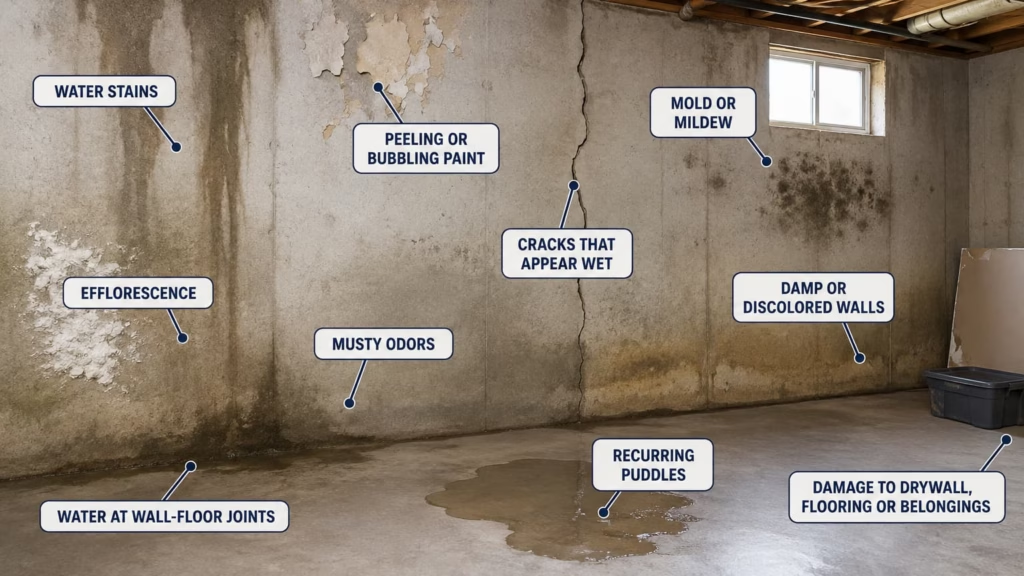
Common signs include:
- Damp or discolored areas on basement walls
- Water stains after heavy rainfall
- White powdery deposits called efflorescence
- Peeling or bubbling paint
- Musty odors
- Mold or mildew
- Cracks that appear wet
- Water entering through wall-floor joints
- Recurring puddles
- Moisture around basement corners
- Damage to drywall, flooring, or stored belongings
If the same areas become wet repeatedly, the problem should be investigated rather than repeatedly painted or patched.
Can You Waterproof Basement Walls From the Inside?
Yes, in many situations, basement walls can be waterproofed from the interior.
Interior waterproofing is often considered when exterior excavation would be disruptive or difficult. For example, homes with neighboring structures, landscaping, patios, driveways, or other obstacles may not be good candidates for extensive exterior excavation.
Interior systems can also be useful for existing homes where homeowners want to control recurring basement moisture without disturbing the property’s exterior.
However, interior waterproofing should not automatically be treated as a substitute for exterior repairs. If gutters, downspouts, grading, plumbing, or other exterior drainage conditions are contributing to the problem, those issues should also be addressed.
Best Methods for Waterproofing Basement Walls From Inside
The most appropriate method depends on the source and severity of the moisture problem.
1. Crack Injection
For certain leaking cracks in poured-concrete foundation walls, injection repair can be an effective targeted solution.
Polyurethane or epoxy-based materials may be used depending on the crack and the purpose of the repair. Polyurethane products are commonly used where water intrusion and some movement are concerns, while epoxy systems may be selected for specific structural crack-repair applications.
The crack should be properly evaluated before selecting the material.
2. Interior Waterproofing Coatings
Waterproofing coatings designed for masonry and concrete can help control certain types of minor moisture seepage.
These products are generally more appropriate for limited dampness than for a basement experiencing significant water flow or persistent hydrostatic pressure.
A coating should not be viewed as a universal solution. If water is actively entering through cracks, joints, or the wall-floor connection, simply applying a coating may not address the underlying drainage problem.
3. Interior Drainage Systems
For recurring basement water problems, an interior drainage system can provide a more comprehensive approach.
A drainage channel may be installed along the basement perimeter to collect water and direct it toward a sump pump or other suitable discharge point.
Instead of trying to prevent every drop of groundwater from reaching the foundation, the system manages water that reaches the interior side of the foundation and moves it away from the basement.
This approach is particularly useful for basements with recurring seepage or water entering along the wall-floor joint.
4. Basement Wall Membranes
Interior wall membranes can be installed over basement walls as part of a drainage system.
Depending on the system, water behind the membrane can be directed toward a drainage channel and sump pump rather than allowing it to enter the finished basement.
Membrane systems are often used when homeowners need a more comprehensive moisture-management solution, especially when the basement will eventually be finished.
5. Sump Pump Systems
A sump pump is often an important component of an interior basement drainage system.
Water collected by the drainage system is directed into a sump basin. The pump then removes the collected water from the basement and discharges it to an appropriate location.
Because a sump pump can be critical during heavy rainfall, homeowners should also consider maintenance and backup protection where appropriate.
How Interior Basement Waterproofing Works
A professional interior waterproofing project usually begins with an inspection rather than immediately applying a coating to the walls.
Step 1: Identify the Source of Moisture
The first step is determining where the water is coming from.
The inspection should consider foundation cracks, wall-floor joints, groundwater, drainage conditions, plumbing leaks, condensation, gutters, downspouts, and grading.
Step 2: Evaluate the Foundation
The condition and construction of the foundation affect which waterproofing method is appropriate.
A poured-concrete foundation, concrete-block foundation, stone foundation, and older masonry foundation may require different approaches.
Step 3: Prepare the Affected Area
Loose material, damaged coatings, dirt, and other contaminants may need to be removed before repairs or waterproofing materials are installed.
Proper surface preparation helps waterproofing materials perform as intended.
Step 4: Repair Cracks and Weak Points
If cracks or leaking joints are identified, they should be addressed using an appropriate repair method.
Simply covering an active leak without understanding its source can result in recurring moisture problems.
Step 5: Install the Waterproofing System
Depending on the diagnosis, this could involve crack repair, a masonry coating, a wall membrane, an interior drainage channel, a sump pump, or a combination of methods.
Step 6: Test and Inspect
After installation, the system should be checked to make sure drainage components are functioning properly and water is being directed away from the basement.
Interior vs. Exterior Basement Waterproofing
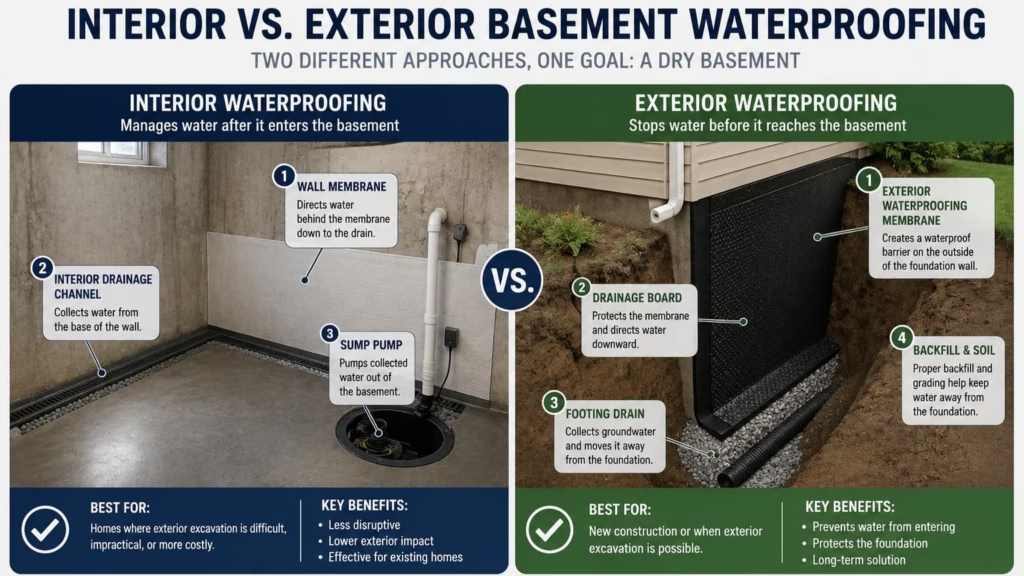
Homeowners often ask whether waterproofing should be performed from inside or outside.
Exterior waterproofing attempts to address water before it reaches the foundation interior. It may involve excavation, foundation-wall repairs, drainage improvements, waterproofing membranes, and other exterior measures.
Interior waterproofing focuses on controlling moisture from inside the basement. It can be significantly less disruptive because it does not necessarily require excavating around the foundation.
Neither approach is automatically the best choice for every house.
The correct decision depends on the source of water, foundation condition, accessibility, drainage conditions, property layout, and the type of waterproofing problem.
In some cases, the best solution may involve both interior and exterior moisture-control measures.
Is DIY Basement Waterproofing a Good Idea?
Some minor basement moisture problems may be manageable by homeowners, but DIY repairs have limitations.
A homeowner may be able to improve gutter drainage, extend downspouts, control indoor humidity, or address very minor surface issues.
More serious problems require greater caution.
Professional evaluation is recommended when you have:
- Recurring water intrusion
- Active foundation leaks
- Basement flooding
- Significant foundation cracks
- Persistent mold or mildew
- Water entering through the wall-floor joint
- A finished basement being damaged by moisture
- Repeated failed waterproofing repairs
The biggest DIY mistake is treating the visible water as the entire problem. Water inside the basement is a symptom. The real cause may be groundwater pressure, drainage, foundation movement, or another issue that needs to be identified first.
How Much Does It Cost to Waterproof Basement Walls From Inside?
The cost of waterproofing basement walls from inside varies significantly from one property to another.
There is no single price that applies to every basement because the final cost depends on the size of the area, foundation type, severity of the water problem, waterproofing method, accessibility, labor, drainage requirements, and whether additional repairs are needed.
A small crack repair will normally require a very different investment than a complete interior drainage system with a sump pump.
Before choosing a contractor based only on price, homeowners should make sure they understand exactly what is included in the proposed waterproofing system.
A professional estimate should explain the source of the moisture, recommended repairs, materials or systems being installed, drainage requirements, and any applicable warranty.
How to Prevent Basement Water Problems
Waterproofing is important, but preventing unnecessary water from collecting around the foundation is equally valuable.
Keep gutters clean so rainwater can move freely through the drainage system. Downspouts should discharge water away from the foundation rather than directly beside the basement walls.
Inspect the exterior grading around the home and look for areas where water collects near the foundation.
Inside the basement, monitor humidity and maintain proper ventilation. A dehumidifier may help control condensation in humid conditions.
It is also a good idea to inspect basement walls periodically for new cracks, staining, efflorescence, or other changes.
Early detection can prevent a small moisture problem from becoming a much larger repair.
Basement Waterproofing Maintenance
Even a professionally installed waterproofing system needs maintenance.
Check your sump pump periodically and make sure it starts and stops properly. Keep the sump basin and discharge area clear.
Inspect exposed basement walls for new cracks or moisture stains. If you notice a new leak after heavy rainfall, investigate it promptly.
If your waterproofing system includes drainage channels, membranes, or other components, follow the manufacturer’s maintenance recommendations.
Regular inspection is especially important before seasons that typically bring heavy rainfall or snowmelt.
Common Mistakes Homeowners Make
Painting Over Water Damage
Applying fresh paint may temporarily hide stains, but it does not solve the source of moisture.
Ignoring Exterior Drainage
A basement waterproofing system should not be the only line of defense. Gutters, downspouts, grading, and surface drainage can have a major effect on foundation moisture.
Choosing a Waterproofing Method Without an Inspection
Different moisture problems require different solutions. A coating that works for minor dampness may not be appropriate for recurring water intrusion.
Waiting Until the Basement Floods
Small warning signs should not be ignored. Repeated dampness can eventually damage finishes, stored belongings, flooring, and other components.
Focusing Only on the Lowest Price
The cheapest repair is not necessarily the most effective repair. Homeowners should compare the proposed solution, materials, drainage strategy, workmanship, and warranty rather than price alone.
Frequently Asked Questions About Waterproofing Basement Walls From Inside
Does waterproofing basement walls from inside really work?
Yes, interior waterproofing can effectively control basement moisture when the appropriate method is selected for the actual source of the problem.
A crack repair may be sufficient for an isolated leak, while recurring groundwater intrusion may require an interior drainage system and sump pump.
What is the best way to waterproof basement walls from inside?
There is no universal best method.
Crack injection, waterproofing coatings, wall membranes, interior drainage systems, and sump pumps all serve different purposes. The best solution depends on the foundation and the source and severity of the water problem.
Can I waterproof a basement from the inside without digging outside?
In many cases, yes. Interior waterproofing methods can control basement moisture without excavating the soil around the exterior foundation.
However, exterior drainage problems should still be addressed when they contribute to water intrusion.
Is interior basement waterproofing permanent?
Some waterproofing systems can provide long-term protection when properly installed and maintained. However, no waterproofing system should be considered completely maintenance-free.
Drainage components, sump pumps, crack repairs, and other systems should be inspected periodically.
Should I use waterproof paint on my basement walls?
Waterproof coatings can be useful for certain minor moisture conditions, but they are not a universal solution for active leaks or serious groundwater pressure.
If water is repeatedly entering the basement, the underlying cause should be identified before relying on a coating.
How do I know if my basement leak is serious?
Recurring leaks, standing water, significant foundation cracks, water entering through joints, repeated flooding, or damage to finished walls and flooring are reasons to seek professional evaluation.
Can basement waterproofing prevent mold?
Controlling moisture can help reduce the conditions that allow mold to grow. However, existing mold should also be properly addressed, and the moisture source needs to be controlled to prevent the problem from returning.
How long does basement waterproofing take?
The timeframe depends on the size of the basement, the waterproofing method, the amount of preparation required, and whether structural or drainage repairs are necessary.
A small crack repair may be completed much faster than a full interior drainage installation.
When Should You Call a Basement Waterproofing Professional?
If your basement repeatedly becomes damp or wet, professional evaluation can help determine whether the problem is caused by foundation cracks, groundwater, drainage, condensation, plumbing, or another source.
This is especially important when water continues to return after DIY repairs.
A professional can assess the basement, identify the likely source of moisture, and recommend a waterproofing strategy appropriate for the property instead of simply treating the visible symptoms.
For homeowners in New York City and surrounding areas, local conditions can make basement moisture particularly challenging. Older foundations, dense urban properties, limited exterior access, and neighboring structures can all affect which waterproofing approach is practical.
Final Thoughts
Waterproofing basement walls from inside can be an effective way to control moisture and protect your basement when the right system is selected for the problem.
The key is to identify the source of the water before choosing a repair. Minor dampness may require a relatively simple solution, while recurring leaks, groundwater intrusion, or wall-floor seepage may require a more comprehensive interior drainage system.
Do not wait until a small moisture problem becomes basement flooding or extensive property damage. Inspect the foundation, improve exterior drainage where possible, monitor your basement for warning signs, and seek professional help when the problem continues.
If you need professional help with basement waterproofing, foundation moisture, or other water-related construction problems in New York, Hi Tech Contracting & Restoration Corp. provides waterproofing and construction services for residential and commercial properties.
Contact US
Website: www.htcrcorp.com/
Phone: 718-510-6000
Serving: Manhattan, Brooklyn, Queens, The Bronx, Westchester County, and Long Island.
Address: 201 Bay 43rd St 2nd FL Brooklyn, NY 11214