If you’re looking for a way to give your home a clean, timeless exterior while improving its protection from the weather, shiplap siding in NYC can be an excellent option. Its distinctive horizontal lines create a classic appearance that works well with traditional, modern, farmhouse, and contemporary home designs.
However, choosing shiplap siding is about more than appearance. The siding material, installation method, wall condition, moisture protection, flashing, trim, and local building requirements all affect the performance and longevity of the finished exterior.
This guide explains everything homeowners should know about shiplap siding, including siding materials, benefits, costs, installation, maintenance, and how to choose a siding contractor in New York City.
What Is Shiplap Siding?
Shiplap siding is an exterior cladding style made from boards installed horizontally with overlapping or interlocking edges. The overlapping profile creates the characteristic horizontal lines associated with shiplap.
Although shiplap has traditionally been associated with wood siding and farmhouse-style homes, modern exterior siding products are available in several materials, including wood, fiber cement, engineered wood, and other manufactured options.
The right choice depends on your home’s architecture, budget, maintenance preferences, exposure to moisture and weather, and the existing exterior wall assembly.
For exterior applications, proper installation is particularly important. NYC building requirements address weather-resistant exterior wall assemblies, including water-resistive barriers, flashing, and drainage provisions where applicable.
Why Choose Shiplap Siding for an NYC Home?
New York City homes experience changing weather conditions throughout the year, including rain, snow, wind, humidity, and temperature fluctuations. A properly designed and installed siding system can help protect the exterior wall assembly while improving curb appeal.
1. Timeless Exterior Appearance
Shiplap siding provides clean horizontal lines that can make a home look more polished and architecturally defined.
Depending on the material and finish, it can create:
- A traditional appearance
- A modern exterior
- A farmhouse-inspired design
- A coastal-style look
- A clean contemporary finish
The wide range of available colors and finishes also makes it easier to coordinate siding with roofing, windows, doors, trim, and other exterior features.
2. Improved Curb Appeal
Replacing worn or outdated exterior siding can significantly change the appearance of a property.
New shiplap siding can provide a more uniform exterior while giving homeowners the opportunity to update the color, trim, and overall design.
3. Protection From the Elements
Siding is part of the building’s exterior wall system. It should not simply be treated as a decorative covering.
Properly installed exterior wall assemblies are designed to provide weather protection and manage water that gets behind the exterior cladding. NYC’s building code includes requirements concerning weather-resistant exterior wall envelopes, water-resistive barriers, flashing, and drainage.
4. Multiple Material Options
One of the advantages of modern shiplap siding is that homeowners are not limited to traditional wood.
Depending on the project, options may include:
- Wood
- Fiber cement
- Engineered wood
- Vinyl and other manufactured siding products
Each material has different characteristics related to appearance, maintenance, durability, moisture resistance, and cost.
5. Flexible Design
Shiplap siding can be used on an entire exterior or combined with other materials.
For example, a home may use shiplap siding together with:
- Stone veneer
- Brick
- Metal accents
- Contrasting trim
- Different siding colors
- Architectural details around windows and doors
This allows homeowners to create a customized exterior rather than using the same finish everywhere.
Types of Shiplap Siding
Choosing the right material is one of the most important decisions in a siding project.
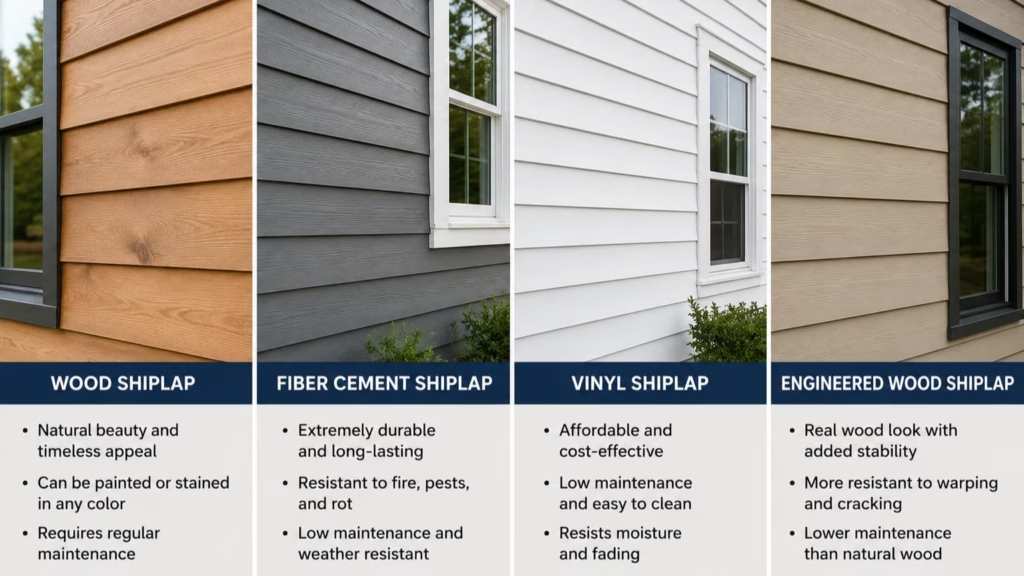
Wood Shiplap Siding
Wood is the traditional choice for shiplap siding and provides a natural appearance that many homeowners prefer.
Advantages include:
- Natural wood grain
- Classic appearance
- Customizable paint and stain options
- Suitable for traditional and modern designs
However, exterior wood siding requires regular maintenance. Depending on the product and exposure, homeowners may need to repaint, stain, seal, or repair the siding periodically.
Wood can also be more vulnerable to moisture-related problems if the exterior is not properly maintained.
Fiber Cement Shiplap Siding
Fiber cement siding is manufactured from cementitious materials and reinforcing fibers. It is available in profiles and finishes designed to replicate the appearance of wood siding.
It is often selected by homeowners looking for a durable exterior with less routine maintenance than traditional wood.
Potential benefits include:
- Durable exterior finish
- Resistance to many common exterior problems
- Wood-like appearance
- Multiple color and finish options
- Good choice for long-term exterior applications
The installation still needs to follow the manufacturer’s requirements and applicable building requirements.
Engineered Wood Shiplap Siding
Engineered wood siding is manufactured to provide a wood-like appearance while using engineered materials designed for exterior applications.
It can be a practical option for homeowners who want the appearance of wood while considering maintenance and durability.
Manufactured or Vinyl Shiplap-Style Siding
Manufactured siding can offer homeowners a lower-maintenance exterior and a wide range of colors.
However, product selection matters. Exterior siding must be appropriate for the building, exposure, installation conditions, and applicable code requirements. NYC’s building code contains specific requirements for exterior wall coverings and siding materials.
Shiplap Siding Comparison
| Siding Material | Appearance | Maintenance | Durability | Best For |
|---|---|---|---|---|
| Wood | Natural and traditional | Higher | Good with proper maintenance | Classic and custom exteriors |
| Fiber Cement | Wood-like and versatile | Lower | High | Long-term exterior applications |
| Engineered Wood | Natural-looking | Moderate | Good | Homeowners wanting a wood appearance |
| Manufactured/Vinyl | Clean and consistent | Low | Good when properly installed | Low-maintenance exterior projects |
The best material depends on the property rather than a single material being right for every home.
How Much Does Shiplap Siding Cost in NYC?
The cost of shiplap siding installation in NYC varies significantly from one project to another.
There is no reliable single price because the final cost depends on factors such as:
- Total exterior square footage
- Siding material
- Existing siding removal
- Condition of the underlying wall
- Wall preparation
- Water-resistive barrier requirements
- Flashing and trim
- Number of windows and doors
- Number of stories
- Accessibility
- Repairs required before installation
- Custom colors or finishes
- Labor
- Project-specific permitting or professional requirements
National cost guides also show wide variations in shiplap installation pricing because material, project size, preparation, and location can substantially change the final cost.
For an NYC property, the best approach is to have the exterior evaluated and receive a project-specific estimate rather than relying on a generic online price.
What Can Increase the Cost of Shiplap Siding?
A straightforward siding replacement is generally less complicated than a project involving extensive preparation.
Costs may increase when the project requires:
- Removal of old siding
- Replacement of damaged sheathing
- Moisture or water-damage repairs
- Extensive flashing
- Replacement of deteriorated trim
- Multiple stories
- Difficult access
- Extensive surface preparation
- Architectural details
- Special materials or finishes
This is why a professional inspection and written estimate are important before starting a siding project.
What Does Shiplap Siding Installation Involve?
Professional shiplap siding installation involves more than attaching boards to the outside of a building.
The exact process depends on the property and selected siding system, but a typical project may include the following steps.
Step 1: Exterior Inspection
The existing siding, trim, wall surfaces, windows, doors, and other exterior details should be evaluated.
The goal is to identify visible damage and conditions that may affect the new siding.
Step 2: Remove Existing Siding When Necessary
If the project involves siding replacement, existing exterior materials may need to be removed.
Removing the old siding can reveal:
- Damaged sheathing
- Moisture problems
- Deteriorated framing
- Improper flashing
- Other concealed conditions
Any necessary repairs should be addressed before the new exterior is installed.
Step 3: Prepare the Wall Assembly
The wall should be prepared according to the selected siding system and project requirements.
Weather protection is especially important. NYC’s exterior-wall provisions require appropriate weather-resistant construction, including provisions for water-resistive barriers and drainage where applicable.
Step 4: Install Flashing and Weather Protection
Flashing around vulnerable areas such as windows, doors, roof intersections, and other penetrations helps manage water.
Poor detailing around these areas can create problems even when the siding itself is high quality.
Step 5: Install the Shiplap Siding
The siding is installed according to the manufacturer’s requirements and the project’s approved construction documents when applicable.
Boards need to be properly aligned, fastened, spaced, and detailed around openings and corners.
Step 6: Install Trim and Exterior Details
Trim around windows, doors, corners, rooflines, and other areas gives the finished siding installation a clean appearance and helps complete the exterior wall assembly.
Step 7: Final Inspection
The finished installation should be checked for:
- Straight and consistent siding lines
- Proper fastening
- Correct joints
- Proper flashing
- Trim installation
- Openings and penetrations
- Overall appearance
- Water-management details
Is Shiplap Siding Waterproof?
Shiplap siding itself should not be considered a completely waterproof barrier.
The exterior wall is designed as a system. Proper weather protection can involve siding, flashing, a water-resistive barrier, joints, sealants, and drainage provisions depending on the wall assembly and product.
NYC building requirements emphasize that exterior wall envelopes must provide weather protection and prevent water accumulation within the wall assembly through appropriate design and drainage.
This is one reason professional installation is important.
If moisture is already entering behind your existing siding, simply covering the problem with new siding may not solve it. The underlying cause should be identified first.
How Long Does Shiplap Siding Last?
The lifespan of shiplap siding depends on the material, installation quality, exposure, maintenance, and overall condition of the building.
A properly installed siding system can provide many years of service, but different materials require different levels of maintenance.
For example, painted wood generally requires more ongoing maintenance than many manufactured siding products.
Regular inspections can help identify:
- Cracked boards
- Loose siding
- Damaged trim
- Failed caulking
- Paint deterioration
- Moisture intrusion
- Rot or deterioration
- Problems around windows and doors
Addressing small problems early can help prevent more extensive exterior repairs.
Shiplap Siding Maintenance Tips
Proper maintenance can help extend the service life and appearance of your siding.
Inspect the Exterior Regularly
Look for visible cracks, gaps, loose boards, staining, or damaged trim.
Keep Gutters and Downspouts Working
Water should be directed away from the exterior walls. Clogged or damaged drainage components can contribute to unnecessary moisture exposure.
Watch for Moisture Problems
Stains, peeling paint, soft wood, mold-like growth, or recurring damp areas can indicate an underlying moisture issue.
Maintain Painted Wood Siding
If you have wood shiplap siding, maintain the finish according to the paint or stain manufacturer’s recommendations.
Check Areas Around Windows and Doors
These locations deserve special attention because they contain joints and penetrations where water can potentially enter if detailing deteriorates.
Shiplap Siding vs. Other Siding Options
Shiplap is not automatically the best choice for every home.
Shiplap vs. Traditional Lap Siding
Both can provide horizontal lines, but their profiles and visual appearance differ.
The choice often comes down to architectural style and the appearance the homeowner wants.
Shiplap vs. Vinyl Siding
Vinyl siding is often selected for low maintenance and affordability. Shiplap-style vinyl can provide some of the visual characteristics of traditional horizontal siding without requiring the same maintenance as painted wood.
Shiplap vs. Fiber Cement Siding
Fiber cement can be a strong option for homeowners prioritizing durability and a wood-like appearance.
The best choice depends on the property’s design, budget, exposure, and installation requirements.
Is Shiplap Siding Good for NYC Weather?
Shiplap siding can work well in NYC when the complete exterior wall system is properly designed and installed for the building and selected product.
The important question isn’t simply whether shiplap looks good. The siding system needs to be appropriate for the property’s exposure and installed with proper weather protection, flashing, fastening, joints, and drainage.
NYC’s building code specifically addresses exterior wall weather protection and installation requirements.
For this reason, homeowners should focus on both siding material and installation quality.
Do You Need a Permit for Siding Work in NYC?
Permit requirements depend on the specific scope of work and property.
NYC states that construction work may require permits, and the Department of Buildings explains that the permit requirements depend on the type and scope of work.
Some minor exterior work may fall under exemptions, while larger or more complex façade projects can involve permits, registered design professionals, specialized contractors, or additional requirements.
For buildings over six stories, NYC also has specific façade inspection requirements under the Façade Inspection & Safety Program (FISP). Such buildings generally require exterior-wall inspections every five years by a Qualified Exterior Wall Inspector.
Because requirements can vary by building and project scope, property owners should verify the applicable requirements before beginning work.
How to Choose a Shiplap Siding Contractor in NYC
Choosing the right contractor can be just as important as choosing the siding material.
Before hiring a contractor, consider:
Look at Relevant Experience
Ask whether the contractor has experience with exterior siding installation and replacement similar to your project.
Ask About the Complete Wall Assembly
A professional should be able to explain how the project will address moisture management, flashing, trim, and the existing wall condition—not just the visible siding.
Request a Detailed Estimate
Your estimate should clearly identify the expected scope of work, materials, preparation, removal, repairs, and other relevant project components.
Ask About Permits and Requirements
If your project requires permits or professional filings, ask who will handle the applicable requirements.
Check Insurance and Credentials
Make sure the contractor has the appropriate insurance and credentials for the work being performed.
Don’t Choose Based Only on Price
The cheapest estimate may not provide the best value if important preparation or water-management work has been excluded.
A quality siding installation should focus on both appearance and long-term performance.
Common Shiplap Siding Installation Mistakes
Poor installation can reduce the performance and appearance of even high-quality siding.
Common problems include:
Installing Over a Damaged Wall
New siding should not be used to hide unresolved structural or moisture problems.
Poor Flashing
Incorrect flashing around windows, doors, rooflines, and penetrations can contribute to water intrusion.
Incorrect Fastening
Siding needs to be installed according to the requirements of the selected product.
Poor Alignment
Uneven horizontal lines can make an otherwise attractive exterior look poorly finished.
Ignoring Drainage
Water needs a way to drain from the wall assembly where the system requires it.
Using the Wrong Material for the Application
Not every siding product is suitable for every building, height, exposure, or wall assembly.
Frequently Asked Questions About Shiplap Siding
Is shiplap siding a good choice for a house?
Yes. Shiplap siding can be an attractive and practical exterior option when the correct material is selected and the siding system is properly installed.
How much does shiplap siding cost in NYC?
There is no single NYC price. The cost depends on the siding material, square footage, existing siding, wall condition, preparation, accessibility, trim, labor, and project requirements. A property-specific estimate is the most reliable way to determine the cost.
What is the best material for shiplap siding?
There is no universal best material. Wood provides a natural appearance, fiber cement emphasizes durability and lower maintenance, and manufactured options can provide affordability and easier maintenance. The best material depends on your property and priorities.
Does shiplap siding require maintenance?
Maintenance depends on the material. Wood generally requires more maintenance than many manufactured siding products. Regardless of material, exterior siding should be inspected periodically for damage and moisture-related problems.
Can shiplap siding help improve curb appeal?
Yes. The horizontal profile and wide range of colors and finishes can give a home’s exterior a clean, updated appearance.
Can shiplap siding be installed over existing siding?
Sometimes, but it depends on the existing siding, wall condition, selected product, and project requirements. In some situations, removing the existing siding is preferable so the underlying wall can be inspected and properly prepared.
Is shiplap siding waterproof?
No siding should be treated as the only waterproofing layer. Proper exterior wall construction uses a combination of siding and weather-management components appropriate for the wall assembly.
Should I hire a professional for shiplap siding installation?
For exterior siding replacement or installation, professional installation is recommended, particularly when the project involves multiple stories, moisture damage, complex wall conditions, or potential permit requirements.
Why Professional Shiplap Siding Installation Matters
A beautiful siding material cannot compensate for poor installation.
Professional installation should address the entire exterior system, including:
- Existing wall conditions
- Surface preparation
- Water management
- Flashing
- Weather-resistive components
- Siding alignment
- Fastening
- Trim
- Windows and doors
- Roof and wall intersections
- Final detailing
For NYC properties, the scope of the project can also affect building-code, permit, and façade requirements.
That is why it is important to evaluate the property before choosing a siding system.
Looking for Shiplap Siding in NYC?
If you’re considering shiplap siding installation in NYC, start with an evaluation of your existing exterior and a clear understanding of your goals.
Whether you’re replacing damaged siding, updating an older exterior, or changing the appearance of your home, choosing the right material and installation approach can make a significant difference in the finished result.
Ready to upgrade your home’s exterior?
Contact Hi-Tech Contracting & Restoration Corp. to discuss your siding project and request a project-specific estimate.
Get a Free Estimate for Shiplap Siding in NYC
A professional assessment can help determine the appropriate siding material, preparation requirements, and installation approach for your property.
Final Thoughts
Shiplap siding combines a distinctive horizontal appearance with the opportunity to improve the look and protection of your home’s exterior.
The most important decision is not simply choosing a color or siding profile. It is choosing an appropriate material and making sure the complete exterior wall system is properly prepared and installed.
If you’re searching for shiplap siding in NYC, compare materials, understand the installation process, consider long-term maintenance, and work with an experienced contractor who can evaluate the condition of your exterior before the project begins.
With the right planning and installation, shiplap siding can give your property a clean, durable, and attractive exterior for years to come.
Contact US
Website: www.htcrcorp.com/
Phone: 718-510-6000
Serving: Manhattan, Brooklyn, Queens, The Bronx, Westchester County, and Long Island.
Address: 201 Bay 43rd St 2nd FL Brooklyn, NY 11214