Faux brick wall panels offer an easier way to add brick texture without constructing a full masonry wall.
These decorative panels recreate the color, pattern, and surface of traditional brick. However, they are usually lighter, faster to install, and more affordable than real brickwork.
Homeowners use faux brick wall panels for living rooms, kitchens, basements, offices, commercial interiors, and feature walls. Certain products are also suitable for exterior applications.
The final appearance and performance depend on the panel material, product quality, wall condition, and installation method.
This guide explains the main types, costs, advantages, limitations, installation steps, and important considerations for New York City properties.
What Are Faux Brick Wall Panels?
Faux brick wall panels are decorative sheets or molded sections designed to look like real brick.
Depending on the product, they may be made from:
- Polyurethane
- PVC
- High-density foam
- Hardboard
- Fiberglass-reinforced material
- Cement-based composites
The brick pattern is molded, printed, or textured onto the surface. Some panels include realistic color changes, mortar lines, chips, and rough textures.
Unlike structural brick, these panels are mainly decorative. They do not support the building or replace a load-bearing masonry wall.
Many products come in large sheets or interlocking sections. This can make installation faster than placing individual bricks.
Types of Faux Brick Wall Panels
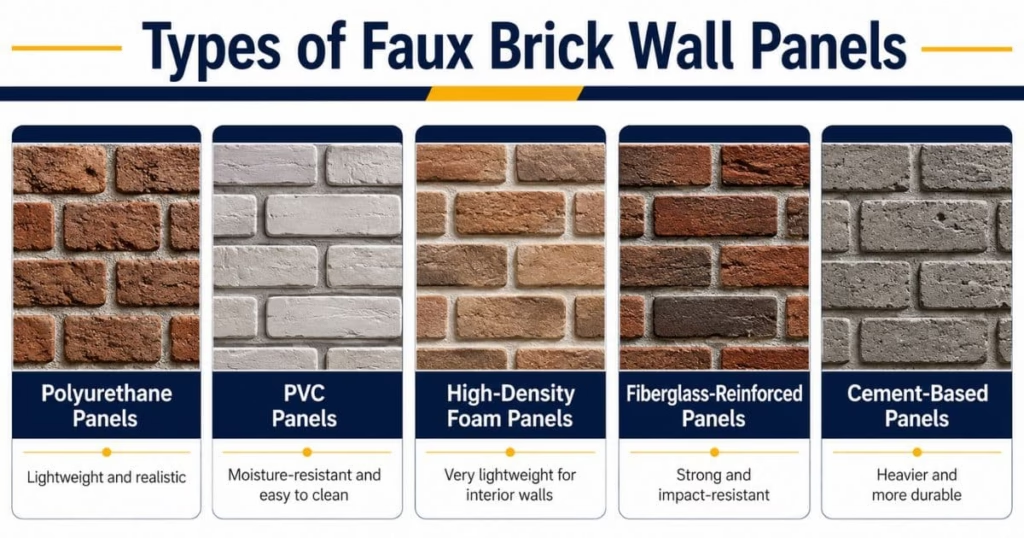
Not all faux brick products provide the same appearance or durability.
Understanding the main types can help you select a suitable option for your space.
Polyurethane Faux Brick Panels
Polyurethane panels are molded to create deep brick textures and realistic mortar joints.
They are lightweight and usually easier to cut than cement-based products. Some varieties are manufactured for exterior use, while others are intended only for indoor walls.
Polyurethane panels may work well for:
- Living room feature walls
- Basement renovations
- Retail interiors
- Restaurant walls
- Exterior accent areas
Exterior products must be specifically rated for outdoor exposure. Do not assume that every polyurethane panel can withstand rain, sunlight, or freezing temperatures.
PVC Faux Brick Panels
PVC panels provide a smooth, lightweight wall covering.
They are often used in kitchens, commercial spaces, utility areas, and rooms where easy cleaning is important. Some products offer better moisture resistance than foam or hardboard panels.
PVC brick panels may have a less natural texture than premium molded polyurethane panels. Thin products can also show wall imperfections if the surface is not properly prepared.
Always check the manufacturer’s instructions before using PVC panels near heat sources.
High-Density Foam Panels
High-density foam panels are among the lightest faux brick options.
They can be cut with basic tools and may be suitable for small DIY feature walls. Their low weight makes them practical where adding heavy masonry is not possible.
However, lower-quality foam panels may dent, scratch, or look artificial. They are generally better for low-contact interior areas.
Foam panels should not be installed near fireplaces, stoves, boilers, or other high-temperature surfaces unless the product is specifically approved for that use.
Hardboard Brick Panels
Hardboard faux brick panels often come in large sheets.
They provide an affordable solution for basements, entertainment rooms, offices, and temporary design upgrades. The surface usually includes a printed and textured brick pattern.
These panels require a flat and dry wall. Moisture exposure can damage certain hardboard products.
Visible sheet seams are another concern. Careful alignment, filling, and painting may be required to create a continuous brick appearance.
Fiberglass-Reinforced Panels
Fiberglass-reinforced panels are stronger than many basic foam products.
They may be suitable for commercial interiors and higher-traffic areas. Some products also offer improved impact and moisture resistance.
They are usually more expensive than basic PVC or hardboard sheets. Installation may require special adhesive, cutting tools, and edge treatment.
Cement-Based Brick Panels
Cement-based panels provide a heavier and more solid surface.
They may offer better impact resistance and a more masonry-like appearance. However, they also place more weight on the wall and are harder to cut.
Professional installation is often better for these panels, especially on exterior walls or large commercial surfaces.
Faux Brick Panels Versus Thin Brick Veneer
Faux brick panels and thin brick veneer are not the same product.
Faux panels are generally molded or printed materials designed to imitate brick. Thin brick veneer uses real clay, concrete, or masonry slips.
| Feature | Faux brick panels | Thin brick veneer |
|---|---|---|
| Material | Foam, PVC, polyurethane, or composite | Real clay or concrete |
| Weight | Usually lightweight | Heavier |
| Installation | Panels or large sheets | Individual slips or mounted systems |
| Realism | Depends on product quality | More authentic |
| Cost | Usually lower | Usually higher |
| Mortar | Often molded into panel | Usually installed and pointed |
| Structural use | Decorative only | Decorative veneer only |
| Cutting | Often easier | Requires masonry tools |
Thin brick typically costs more because it requires heavier materials, mortar or adhesive, grout, and additional installation labor. Current guides place installed thin-brick systems in a wide range depending on substrate preparation, labor, and project complexity.
Faux Brick Wall Panel Cost
The cost of faux brick wall panels depends on the material, quality, wall size, installation area, and finish.
Basic interior panels are normally more affordable than premium exterior-rated systems. Product listings also show that faux brick panels are sold in different formats, including large 4-by-8-foot sheets and smaller molded sections.
As a general planning range, homeowners may expect:
| Cost item | General estimated range |
|---|---|
| Basic interior panels | $2–$6 per sq. ft. |
| Premium textured panels | $6–$12 per sq. ft. |
| Exterior-rated panel systems | $10–$24 per sq. ft. |
| Professional installation | $5–$15+ per sq. ft. |
| Surface preparation | $1–$5+ per sq. ft. |
| Trim, corners, and finishing | Varies by project |
A current exterior siding cost guide places faux brick panel systems around $14 to $24 per square foot, although prices vary by material and installation conditions.
These figures are general estimates, not guaranteed NYC prices. New York labor, difficult access, wall repairs, delivery, and custom finishing can raise the final amount.
What Affects Faux Brick Wall Panel Cost?
Several factors influence the total price.
Panel Material
Basic foam and hardboard panels usually cost less.
Premium polyurethane, fiberglass, cement-based, and exterior-rated systems are normally more expensive.
Wall Size
A larger wall requires more panels, adhesive, fasteners, trim, and labor.
Small projects can still have a higher cost per square foot because cutting, travel, setup, and cleanup remain necessary.
Existing Wall Condition
The wall should be reasonably clean, dry, level, and secure.
Cracked drywall, peeling paint, water damage, mold, loose plaster, or uneven masonry may require repairs before installation.
Corners and Openings
Windows, doors, outlets, fireplaces, and outside corners increase cutting and finishing time.
Matching the brick pattern around these areas requires careful measurements.
Seam Treatment
Some systems have interlocking edges that help hide joints.
Large sheet panels may require filler, touch-up paint, or custom mortar effects to reduce visible seams.
Interior or Exterior Installation
Exterior installation normally costs more.
The project may require weather-resistant adhesive, mechanical fasteners, flashing, sealant, drainage details, and UV-resistant finishing.
NYC Access
Limited elevator access, narrow hallways, occupied apartments, and restricted material storage can increase labor time.
Exterior work may also require scaffolding or additional safety arrangements.
Benefits of Faux Brick Wall Panels
Faux brick panels offer several practical advantages when the correct product is used.
Lower Weight
Most faux panels weigh much less than traditional brick masonry.
This makes them easier to transport and install. It also reduces the added load on the wall.
Faster Installation
Large panels cover more space than individual bricks.
The installation can often be completed faster because there is less masonry work, mortar mixing, and individual placement.
Lower Project Cost
Faux panels are generally more affordable than building a traditional brick wall.
The project may also require less demolition, labor, and structural preparation.
Flexible Design Options
Panels are available in many styles, including:
- Traditional red brick
- White-painted brick
- Gray brick
- Distressed brick
- Dark industrial brick
- Reclaimed-brick designs
- Modern uniform patterns
This makes it easier to match different interior styles.
Suitable for Feature Walls
Faux panels work well when homeowners want brick texture on one wall rather than throughout the entire room.
A feature wall can add depth without making the space feel too dark or visually heavy.
Easier Cleaning
Many finished PVC and polyurethane panels can be cleaned with a soft cloth and mild soap.
Cleaning requirements still vary by product. Porous or painted surfaces may require additional care.
Easier Replacement
A damaged section may sometimes be removed and replaced without rebuilding the entire wall.
Matching an older panel can be difficult if the original color or design is discontinued.
Disadvantages of Faux Brick Wall Panels
A balanced decision should include the limitations.
Some Panels Look Artificial
Low-quality products may have shallow textures, repeated patterns, unrealistic colors, or printed mortar joints.
Viewing a sample in the actual room lighting can help you judge the appearance before ordering.
Seams May Be Visible
Poor alignment can make the edges between panels noticeable.
This is especially common with large sheets and repeating patterns.
They Are Not Structural Brick
Faux brick panels are decorative.
They do not provide the strength, impact resistance, or structural function of a masonry wall.
Heat Resistance Varies
Some foam, PVC, and polyurethane products are combustible or may deform near high temperatures.
Manufacturer instructions for exterior faux panels specifically warn installers to follow required clearances around fireplaces, stoves, furnaces, and other heat sources.
Exterior Performance Depends on the Product
Interior panels should not be installed outdoors.
Exterior panels must be designed for sunlight, rain, wind, temperature changes, and the proposed fastening method.
Moisture Can Cause Problems
Moisture-resistant does not always mean waterproof.
Installing panels over an active leak or damp wall can trap moisture and hide damage.
Repairs May Not Match
Colors can fade or change slightly over time.
A replacement panel purchased later may not perfectly match the existing installation.
Interior Faux Brick Wall Panels
Interior panels are commonly used where homeowners want texture without major construction.
Popular locations include:
- Living rooms
- Bedrooms
- Kitchens
- Dining rooms
- Home offices
- Basements
- Hallways
- Retail stores
- Cafes and restaurants
Interior panels should still be selected according to the room.
A dry living room and a moisture-prone basement do not have the same requirements.
Exterior Faux Brick Wall Panels
Exterior products can be used for entrances, walls, foundations, storefronts, and selected façade areas.
However, exterior installation is more demanding.
The system may need:
- Weather-rated panels
- Approved adhesive
- Mechanical fasteners
- Sealed joints
- Corner pieces
- Flashing
- Drainage details
- UV-resistant coating
- Proper expansion space
Manufacturers may also require panels to acclimate before installation and may specify particular fastening and corner methods.
Do not use an interior decorative panel outside simply because it looks similar.
Are Faux Brick Panels Waterproof?
Some faux brick panels resist moisture, but not every product is waterproof.
PVC and certain exterior-rated polyurethane panels may handle occasional moisture better than hardboard or basic foam.
However, the wall assembly also matters.
Water can still enter through:
- Panel seams
- Corners
- Openings
- Unsealed edges
- Damaged caulking
- Poor flashing
- The wall behind the panels
Faux brick panels should never be used to cover an unresolved leak.
Repair the moisture source before installing the decorative finish.
Are Faux Brick Panels Fire Resistant?
Fire performance varies significantly by product.
Do not assume that every panel is fire resistant because it looks like brick.
New York City building rules regulate the flame-spread and smoke-developed performance of interior wall and ceiling finish materials. The applicable requirements depend on the material, mounting method, and occupancy.
Before installation, review:
- Product fire-test information
- Manufacturer clearances
- Adhesive requirements
- Proposed location
- Local code requirements
This is especially important near fireplaces, cooking equipment, furnaces, and commercial exits.
Can Faux Brick Panels Be Used Around a Fireplace?
They may be used near certain fireplaces only when the specific product and installation comply with the required clearance and fire-performance rules.
Foam, PVC, and polyurethane panels should not be placed close to direct flame or high heat unless the manufacturer permits it.
For fireplace surrounds, a noncombustible thin brick, masonry, tile, or approved cement-based system may be more suitable.
Always check the appliance instructions and panel specifications before installation.
How to Choose Faux Brick Wall Panels
Consider more than color and price.
Check the Intended Use
Confirm whether the panel is approved for:
- Interior use
- Exterior use
- Damp areas
- Commercial spaces
- High-traffic locations
- Areas near heat
Examine the Texture
A deeper and less repetitive texture often looks more realistic.
Order a sample when possible. View it in both natural and artificial light.
Check the Panel Edges
Interlocking or irregular edges can help hide seams.
Straight sheet edges may require additional finishing.
Compare Full Project Costs
Include:
- Panels
- Adhesive
- Fasteners
- Corner pieces
- Trim
- Wall repairs
- Delivery
- Labor
- Touch-up materials
A low panel price does not always mean a low completed-project cost.
Review Product Documentation
Look for clear instructions covering:
- Approved surfaces
- Cutting
- Fastening
- Adhesive
- Expansion gaps
- Fire performance
- Exterior exposure
- Cleaning
Avoid products with limited technical information.
Faux Brick Wall Panel Installation
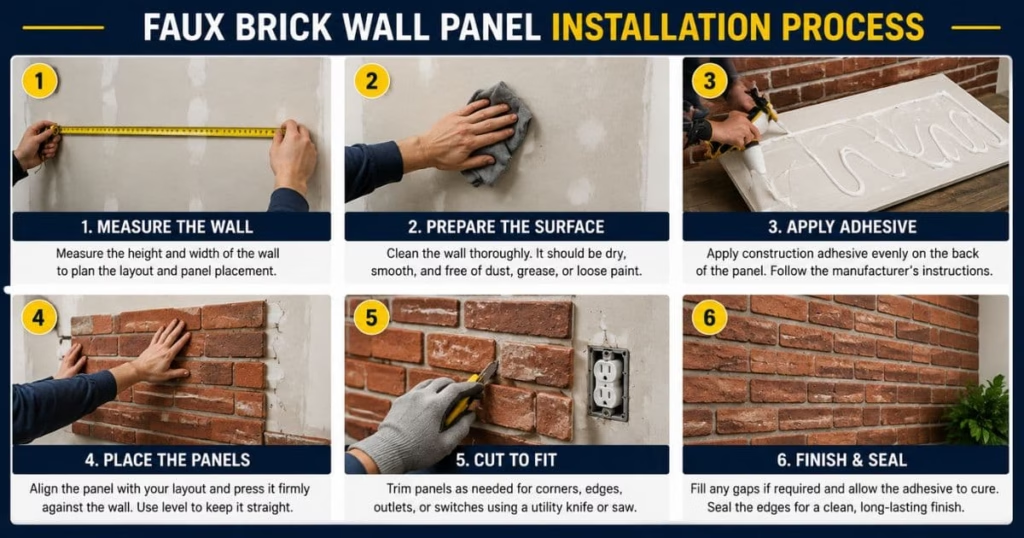
The exact process depends on the panel system.
A typical interior installation includes the following steps.
Inspect the Wall
Check for leaks, loose plaster, mold, cracks, and uneven areas.
The wall should be stable and dry before work begins.
Measure and Plan
Measure the full wall and identify doors, windows, outlets, and corners.
Plan the brick pattern before cutting panels.
Prepare the Surface
Remove dust, grease, loose paint, nails, and damaged material.
Repair low or uneven areas where necessary.
Create a Level Starting Line
The floor or ceiling may not be perfectly level.
A level reference line helps prevent the pattern from gradually moving out of alignment.
Cut the Panels
Measure each cut carefully.
Use the tool recommended for the panel material and wear appropriate safety equipment.
Apply Adhesive or Fasteners
Use only compatible products.
Some installations require adhesive, mechanical fasteners, or both.
Align the Brick Pattern
Check the mortar lines before securing each panel.
Small alignment errors can become more visible across a large wall.
Finish the Seams
Depending on the product, seams may be filled, painted, caulked, or covered by the panel’s interlocking design.
Complete the Edges
Add matching trim, corner pieces, or carefully finished cut edges.
Clean the panels after the installation is complete.
DIY Versus Professional Installation
A small, flat interior wall may be manageable for an experienced homeowner.
However, DIY installation still requires careful planning and accurate cutting.
Common DIY problems include:
- Crooked brick lines
- Visible seams
- Wrong adhesive
- Pattern repetition
- Poor corner treatment
- Gaps around outlets
- Installing over damp walls
- Using interior panels outdoors
Professional installation is usually better for:
- Large walls
- Exterior surfaces
- Commercial properties
- Fireplace areas
- Uneven masonry
- High ceilings
- Detailed corners
- Water-damaged surfaces
A contractor can also inspect whether the wall needs repair before the panels are installed.
Faux Brick Wall Panel Maintenance
Maintenance depends on the surface finish.
For most interior panels:
- Remove dust with a soft cloth or brush
- Wipe marks with mild soap and water
- Avoid abrasive pads
- Do not soak the wall
- Check seams and edges
- Repair loose sections early
Exterior panels should also be inspected for:
- Failed sealant
- Open joints
- Impact damage
- Fading
- Loose fasteners
- Water entry
- Damaged corners
Follow the manufacturer’s cleaning guidance. Strong chemicals can damage paint, coatings, and printed surfaces.
How Long Do Faux Brick Panels Last?
There is no single lifespan for every panel.
The service life depends on:
- Panel material
- Product quality
- Installation method
- Sunlight exposure
- Moisture
- Heat
- Impact
- Wall movement
- Maintenance
Interior panels in a dry, low-contact room may remain attractive for many years.
Exterior products face more demanding conditions and require correct joint, edge, and moisture detailing.
Best Uses for Faux Brick Wall Panels in NYC
Faux brick wall panels can be practical for many New York properties.
They may work well in:
- Apartment feature walls
- Brownstone interiors
- Basement recreation rooms
- Restaurant dining areas
- Retail displays
- Office reception areas
- Townhouse renovations
- Commercial accent walls
Their lightweight construction can be useful in spaces where full masonry would be difficult.
However, building type, fire requirements, moisture conditions, and property rules should be reviewed before installation.
Do Faux Brick Wall Panels Need a Permit in NYC?
A simple decorative interior finish may not require the same approval as structural construction.
However, requirements can change when the project affects:
- Fire-rated assemblies
- Commercial occupancy
- Exterior façades
- Structural walls
- Landmark properties
- Building exits
- Electrical systems
- Shared building areas
Because NYC regulates interior finish materials for flame spread and smoke development, the selected product must still be appropriate for the proposed building and location.
Confirm project-specific requirements before beginning work.
Why Choose Professional Installation?
The final result depends heavily on wall preparation and detail work.
Professional installers can help with:
- Surface inspection
- Accurate measurements
- Product selection
- Straight pattern alignment
- Outlet and window cuts
- Hidden seams
- Corner finishing
- Exterior sealing
- Cleanup
The main goal is not simply attaching panels to a wall. It is creating a finished surface that looks consistent and remains secure.
Faux Brick Wall Panel Services in NYC
Hi Tech Contracting & Restoration Corp provides renovation, masonry, painting, waterproofing, and exterior improvement services across New York City and surrounding areas.
Our team can inspect the wall condition, review the proposed design, and determine whether faux panels, thin brick veneer, or another wall finish is more suitable.
We serve:
- Brooklyn
- Queens
- Manhattan
- The Bronx
- Westchester County
- Long Island
Product suitability and installation requirements should always be reviewed before work begins.
Frequently Asked Questions
Do faux brick wall panels look realistic?
High-quality molded panels can look convincing from normal viewing distance.
Realism depends on texture depth, color variation, pattern repetition, seam treatment, and installation quality.
Can faux brick panels be installed over drywall?
Many interior products can be installed over secure and properly prepared drywall.
The wall must be clean, dry, stable, and compatible with the recommended adhesive or fasteners.
Can faux brick wall panels be painted?
Many panels can be painted, but the correct primer and paint depend on the material.
Check the manufacturer’s instructions before applying a coating.
Can faux brick panels be used in a basement?
Yes, but only after moisture problems have been addressed.
Do not install panels over an actively damp, leaking, or mold-damaged wall.
Are faux brick panels cheaper than real brick?
They are generally less expensive than full brick masonry because they are lighter and faster to install.
Premium exterior systems or complex commercial installations can still be costly.
Can faux brick panels be used outdoors?
Only products specifically rated for exterior use should be installed outside.
Interior foam, PVC, or hardboard panels may fail when exposed to rain, sunlight, and temperature changes.
Are faux brick panels safe around fireplaces?
Not automatically.
Review the panel’s fire rating and the fireplace manufacturer’s required clearances before installation.
How do you hide seams between faux brick panels?
Seams may be concealed through interlocking edges, careful pattern alignment, filler, caulk, paint, or faux mortar.
The correct method depends on the product.
Final Thoughts
Faux brick wall panels can add warmth, texture, and character without the weight and installation demands of traditional masonry.
They are available in several materials, including polyurethane, PVC, foam, hardboard, fiberglass, and cement-based composites.
The best option depends on the room, moisture exposure, heat, wall condition, expected wear, and budget.
Avoid choosing panels by appearance alone. Confirm whether the product is approved for interior or exterior use, review its fire and moisture performance, and follow the manufacturer’s installation instructions.
Get a Wall Panel Installation Estimate
Planning a feature wall, basement renovation, commercial interior, or exterior upgrade?
Contact Hi Tech Contracting & Restoration Corp for a professional property assessment and detailed estimate.
Contact US
Website: www.htcrcorp.com/
Phone: 718-510-6000
Serving: Manhattan, Brooklyn, Queens, The Bronx, Westchester County, and Long Island.
Address: 201 Bay 43rd St 2nd FL Brooklyn, NY 11214