A paver patio can turn an unused backyard into a comfortable space for dining, relaxing, and entertaining. Before choosing a material or design, however, you need to understand the total paver patio cost.
In New York City, a professionally installed paver patio may cost approximately $18 to $45 or more per square foot in 2026. A basic concrete paver patio usually falls near the lower end, while natural stone, custom patterns, difficult access, and extensive ground preparation can raise the final price.
For a typical 300-square-foot patio, homeowners may spend approximately $5,400 to $13,500 or more. The exact amount depends on the material, site condition, patio design, drainage requirements, and accessibility.
These figures are general planning estimates. An on-site inspection is necessary to determine the actual cost of your project.
Average Paver Patio Cost in 2026
The following table provides a general overview of installed paver patio prices in New York City.
| Project level | Estimated cost per square foot | Common features |
|---|---|---|
| Basic | $18–$25 | Standard concrete pavers and simple layout |
| Mid-range | $25–$35 | Upgraded pavers, borders, or moderate preparation |
| Premium | $35–$45+ | Natural stone, custom patterns, or difficult access |
The installed price should normally include more than the visible pavers. It may also cover excavation, base materials, bedding sand, compaction, edge restraints, joint sand, cutting, labor, and cleanup.
Always ask whether an estimate includes the complete installation. A low material price does not represent the full project cost.
Paver Patio Cost by Project Size
Patio size is one of the biggest cost factors. A larger patio requires more materials, excavation, base preparation, labor, cutting, and cleanup.
Here are estimated NYC prices based on a general installed range of $18 to $45 per square foot.
| Patio size | Basic estimate | Premium estimate |
| 100 sq. ft. | $1,800 | $4,500+ |
| 150 sq. ft. | $2,700 | $6,750+ |
| 200 sq. ft. | $3,600 | $9,000+ |
| 300 sq. ft. | $5,400 | $13,500+ |
| 400 sq. ft. | $7,200 | $18,000+ |
| 500 sq. ft. | $9,000 | $22,500+ |
These estimates can increase when a project requires old concrete removal, soil correction, drainage work, retaining walls, outdoor steps, or hand delivery through a narrow entrance.
Smaller patios may also have a higher cost per square foot. Contractors still need to account for delivery, equipment, transportation, setup, and cleanup, even when the installation area is limited.
Paver Patio Cost by Material
The type of paver affects the appearance, maintenance, durability, and total installation price.
Some materials are affordable and easy to install. Others are heavier, harder to cut, or more expensive to transport.

Concrete Paver Patio Cost
Concrete pavers are among the most affordable and widely available options.
A professionally installed concrete paver patio in NYC may cost approximately $18 to $28 per square foot.
Concrete pavers are available in many colors, shapes, sizes, and surface textures. Some products are designed to resemble brick, natural stone, or traditional cobblestone.
They work well for:
- Residential backyards
- Garden seating areas
- Walkways
- Courtyards
- Poolside spaces
Concrete pavers can provide a clean appearance without the higher price of premium natural stone.
Brick Paver Patio Cost
A brick paver patio may cost approximately $20 to $32 per square foot installed in New York City.
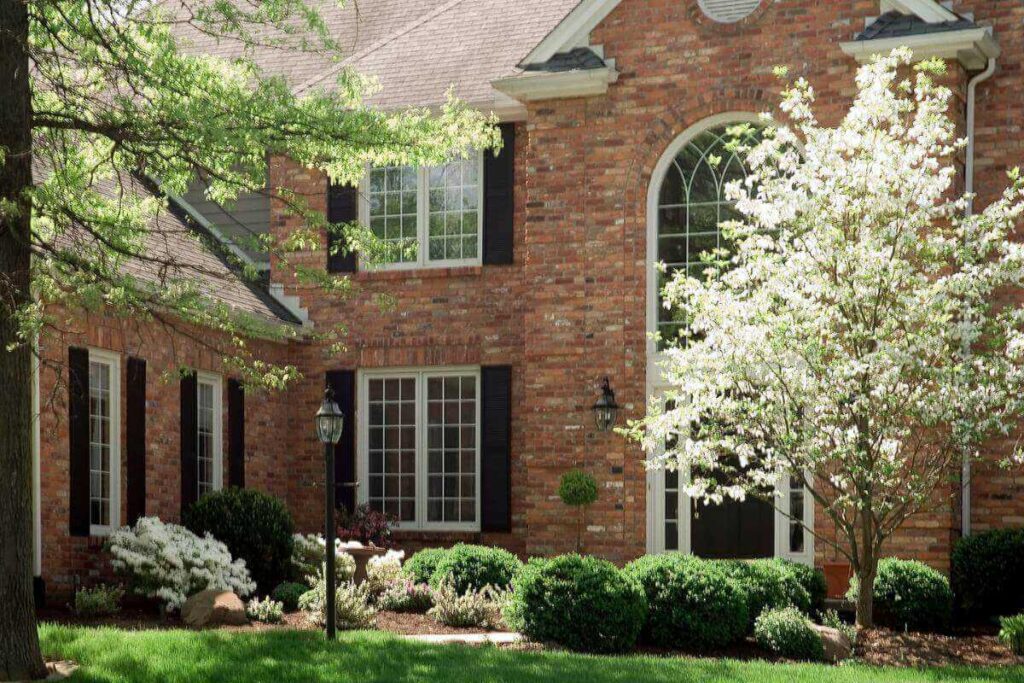
Brick provides a traditional appearance that complements brownstones, townhouses, and older residential properties. Its warm color can create a classic outdoor space.
Brick installation may require additional care because the units must be properly aligned and supported. Poor base preparation can lead to movement, gaps, and uneven areas.
Natural Stone Patio Cost
Natural stone is normally one of the most expensive patio materials.
Bluestone, limestone, granite, slate, sandstone, and travertine patios may cost approximately $25 to $45 or more per square foot installed.
The price depends on:
- Stone type
- Stone thickness
- Finish and texture
- Availability
- Transportation
- Cutting requirements
- Installation pattern
Each piece of natural stone has its own color and surface variation. This creates a distinctive appearance, but it can also require more planning and skilled installation.
Porcelain Paver Patio Cost
Porcelain pavers may cost approximately $25 to $45 or more per square foot installed, depending on the product and installation method.
These pavers provide a modern and uniform appearance. They are available in finishes that resemble natural stone, concrete, or wood.
Porcelain can work well for contemporary patios and poolside areas. However, the units require careful handling and proper cutting equipment during installation.
Permeable Paver Patio Cost
Permeable pavers allow rainwater to pass through wider joints and into a prepared stone base.
The total cost may range from approximately $25 to $40 or more per square foot.
These systems require a carefully designed base. They should not be treated as standard pavers with wider gaps.
Permeable pavers may be suitable where drainage and surface runoff are important concerns. Site conditions should be evaluated before selecting this system.
What Determines Paver Patio Cost?
No two patio projects have exactly the same price. Several factors can change the final estimate.
Patio Size
A larger patio needs more pavers, sand, aggregate, excavation, and installation labor.
Size is important, but it should not be considered alone. A small patio with difficult access may cost more per square foot than a large open installation.
Material Selection
Basic concrete pavers generally cost less than natural stone or premium porcelain.
Special colors, imported products, thick units, and limited-availability materials can increase the price.
Site Preparation
A stable patio begins below the finished surface.
The area may need to be excavated before the contractor installs compacted aggregate and bedding material. Weak soil, tree roots, old foundations, or poor grading may require additional work.
Reducing the base preparation to save money can lead to settling and uneven pavers later.
Existing Surface Removal
Removing an old concrete slab, damaged patio, asphalt surface, or existing pavers adds labor and disposal costs.
Concrete removal may require saw cutting, breaking equipment, hauling, and separate disposal. The thickness and accessibility of the existing surface also affect the price.
Backyard Access
Access is a major cost factor for NYC properties.
Some brownstones, row houses, and attached homes have no direct access from the street to the backyard. Workers may need to carry materials and equipment through a basement, hallway, or narrow side entrance.
Limited access increases handling time and may restrict the type of machinery that can be used.
Drainage Requirements
A patio should direct water away from the building and other vulnerable areas.
Depending on the property, the project may require surface grading, channel drains, catch basins, permeable materials, or underground drainage improvements.
Drainage should be planned before the pavers are installed. Correcting it after installation can require removing finished sections.
Pattern Complexity
Straight patterns are usually faster to install than circular layouts, detailed borders, curves, or custom inlays.
A complex pattern requires additional measurements, paver cutting, alignment, and waste material. This increases both labor and material costs.
Steps and Retaining Walls
Outdoor steps, seat walls, raised patios, and retaining walls are normally priced separately.
These elements may require excavation, concrete footings, masonry work, drainage, and additional safety considerations.
Labor and Installation Costs
Professional labor usually represents a significant part of the total paver patio cost.
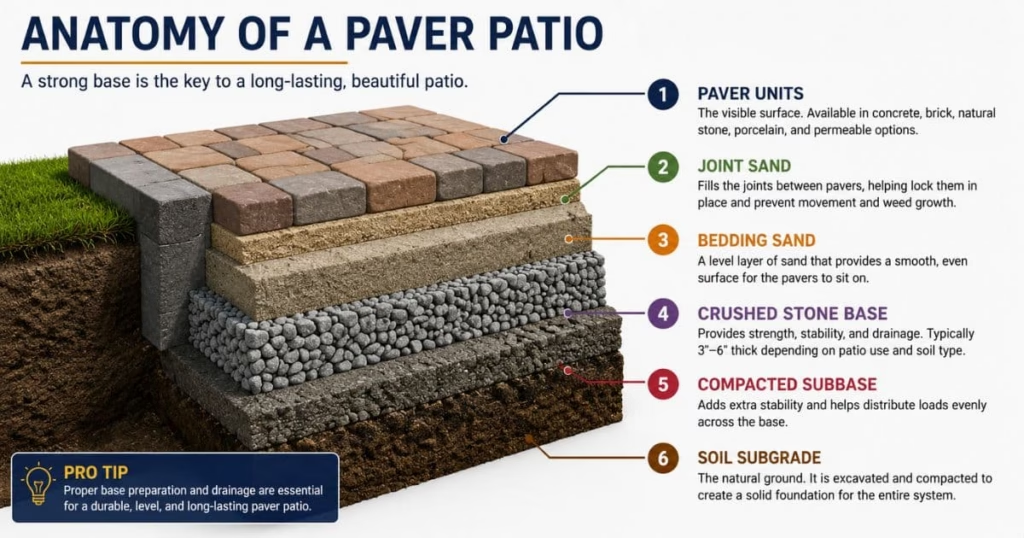
A complete installation may involve:
- Measuring and marking the patio
- Removing soil or an existing surface
- Establishing the correct slope
- Installing geotextile fabric where needed
- Adding and compacting the aggregate base
- Applying the bedding layer
- Placing and cutting the pavers
- Installing edge restraints
- Filling the joints
- Compacting and cleaning the finished surface
Skipping one of these stages can affect the appearance and stability of the patio.
When reviewing an estimate, ask the contractor to explain the proposed base, excavation depth, drainage plan, edging, joint material, and cleanup process.
Additional Paver Patio Costs
The advertised price per square foot may not cover every part of the project.
Possible additional expenses include:
| Additional service | Why it may be needed |
| Concrete or patio removal | Clears the existing installation |
| Excavation | Creates space for the base and pavers |
| Soil correction | Improves support in weak or unstable areas |
| Drainage installation | Controls rainwater and surface runoff |
| Retaining walls | Supports raised or sloped areas |
| Outdoor steps | Connects spaces at different elevations |
| Decorative borders | Adds contrast and definition |
| Paver sealing | Helps protect the finished surface |
| Material delivery | Brings heavy materials to the property |
| Debris disposal | Removes soil, concrete, and construction waste |
| Lighting work | Adds outdoor visibility and design features |
| Utility relocation | Addresses lines beneath the planned patio |
Request an itemized estimate so you can see which services are included.
Why Paver Patio Costs Are Higher in NYC
Online cost guides often show national prices that do not reflect New York City working conditions.
NYC paver installations may cost more because of:
- Higher labor and operating costs
- Limited street parking
- Restricted material storage
- Narrow backyard entrances
- Hand carrying through attached properties
- Higher debris hauling expenses
- Difficult equipment access
- Existing concrete and masonry surfaces
- Drainage challenges
- Older residential properties
- Complex delivery schedules
A suburban project may allow trucks and machinery to reach the work area directly. That is not always possible in Brooklyn, Queens, Manhattan, or The Bronx.
This is why an on-site inspection is more useful than relying only on an online calculator.
Paver Patterns and Their Costs
The pattern changes both the appearance and installation time.
Running Bond
Running bond uses staggered rows and provides a clean, traditional appearance.
It usually requires less cutting than highly detailed patterns, making it a practical option for homeowners with a limited budget.
Basketweave
Basketweave creates a classic design using pairs of rectangular pavers.
It works especially well with brick and can complement traditional New York homes.
Herringbone
Herringbone creates a strong zigzag pattern.
It offers visual interest but requires accurate alignment and additional cutting along borders. Labor costs may therefore be higher than for a simple running bond.
Circular and Curved Patterns
Circular centers, curved borders, and rounded patio edges create a custom appearance.
However, they require more cutting, measuring, and waste material. Homeowners should allow additional room in their budget for these designs.
Paver Patio Versus Concrete Patio Cost
A poured concrete patio generally has a lower initial price than a paver patio. The two surfaces also behave differently over time.
| Feature | Paver patio | Poured concrete patio |
| Initial cost | Usually higher | Usually lower |
| Design options | Many shapes and patterns | Limited without decorative finishing |
| Repairs | Individual units can be replaced | Repairs may remain visible |
| Cracking | Individual units allow movement | Slabs can develop cracks |
| Installation | Requires individual placement | Concrete is poured into forms |
| Appearance | Brick, stone, or modern styles | Smooth, brushed, colored, or stamped |
| Drainage options | Permeable systems available | Depends on slope and drainage design |
Pavers are not automatically the best option for every property. The right choice depends on the budget, design, site conditions, maintenance expectations, and intended use.
DIY Versus Professional Installation
Installing a small paver patio yourself can reduce labor costs. However, it requires more than placing pavers over sand.
A DIY project may require:
- Excavation tools
- Plate compactor
- Paver saw
- Levels and string lines
- Wheelbarrow
- Aggregate base
- Bedding material
- Edge restraints
- Joint sand
- Safety equipment
The most common problems are poor compaction, incorrect slope, weak edging, uneven cuts, and insufficient drainage.
These mistakes may not be obvious immediately. The patio can begin settling, separating, or collecting water after weather exposure.
Professional installation costs more upfront, but it can provide better grading, base preparation, alignment, cutting, drainage planning, and project cleanup.
How to Reduce Paver Patio Cost
A well-planned project can control costs without sacrificing the quality of the foundation.
Choose a Simple Shape
Rectangular and square patios usually require less cutting than curved or irregular designs.
Select Locally Available Pavers
Locally stocked materials may cost less to transport and are often easier to replace in the future.
Limit Decorative Details
Use one main paver and a simple border instead of combining several materials and complex patterns.
Keep the Existing Level Where Possible
Raised sections, retaining walls, and multiple levels require additional structural and masonry work.
Prioritize the Base
Do not reduce excavation or base preparation just to afford a premium surface material.
A standard paver installed over a properly prepared base is usually a better investment than an expensive stone installed over weak groundwork.
Request an Itemized Estimate
An itemized estimate makes it easier to compare excavation, materials, labor, drainage, disposal, and optional upgrades.
Do not compare contractors by the final number alone. Make sure each estimate covers the same scope of work.
Complete Related Work Together
If the area also needs drainage, masonry steps, retaining walls, or walkway repairs, completing related work during the same project may reduce repeated setup and delivery expenses.
Paver Patio Maintenance Costs
Paver patios require regular but manageable care.
Basic maintenance may include:
- Sweeping leaves and dirt
- Removing weeds from joints
- Replacing missing joint sand
- Washing stained areas
- Resetting isolated sunken pavers
- Checking drainage
- Applying sealer when appropriate
Sealing is not required for every paver product. The correct sealer depends on the paver material, finish, condition, and manufacturer recommendations.
Avoid applying a random coating without checking compatibility. An unsuitable product may change the surface color or create a slippery finish.
How Long Does a Paver Patio Last?
A properly installed paver patio can remain functional for many years.
Its service life depends on:
- Base preparation
- Soil condition
- Drainage
- Paver quality
- Installation workmanship
- Joint maintenance
- Weather exposure
- Nearby tree roots
- Frequency of use
Individual damaged pavers can often be removed and replaced without rebuilding the entire patio. This is one of the practical advantages of a modular surface.
Is a Paver Patio Worth the Cost?
A paver patio can be worthwhile when it creates usable outdoor space and is designed for the needs of the property.
It may provide:
- A defined outdoor seating area
- Improved backyard appearance
- Better access across muddy ground
- Space for dining and entertaining
- A durable surface for outdoor furniture
- More design flexibility than plain concrete
However, no fixed return on investment applies to every property.
The value depends on the neighborhood, patio condition, quality of installation, available yard space, property type, and local housing market. Avoid selecting a patio based only on an unsupported ROI percentage.
Does a Paver Patio Require a Permit in NYC?
A simple ground-level paver installation may not require the same approval as a raised deck, covered structure, structural retaining wall, or major drainage alteration.
Requirements can change based on the property and project scope. Landmark restrictions, shared property lines, structural work, electrical additions, and drainage changes may also affect the process.
Before construction begins, confirm the requirements with the appropriate New York City department or a qualified professional. Do not assume that every patio project is automatically exempt.
Choosing a Paver Patio Contractor
The quality of installation has a major effect on the final appearance and long-term stability of the patio.
Before hiring a contractor, ask about:
- Relevant NYC project experience
- Insurance and licensing where applicable
- Excavation and base preparation
- Drainage planning
- Paver material options
- Edge-restraint methods
- Debris removal
- Written estimates
- Project schedule
- Workmanship coverage
- Recent project photographs
- Customer references
Be cautious of estimates that do not explain what is beneath the pavers. The finished surface is only one part of the installation.
Paver Patio Installation in NYC
Hi Tech Contracting & Restoration Corp provides professional paving, concrete, masonry, and exterior improvement services in New York City and surrounding service areas.
Our team evaluates the existing surface, access conditions, drainage, material requirements, and patio design before preparing an estimate.
We serve property owners across:
- Brooklyn
- Queens
- Manhattan
- The Bronx
- Westchester County
- Long Island
Whether you are replacing an uneven patio or creating a new backyard seating area, careful preparation can help produce a safer and more attractive result.
Frequently Asked Questions
How much does a 20-by-20 paver patio cost?
A 20-by-20 patio covers 400 square feet. Based on an estimated NYC range of $18 to $45 or more per square foot, the project may cost approximately $7,200 to $18,000 or more.
The final price depends on material, excavation, access, drainage, pattern, and existing surface removal.
How much does a 300-square-foot paver patio cost?
A 300-square-foot paver patio in NYC may cost approximately $5,400 to $13,500 or more.
Concrete pavers with a simple pattern may fall near the lower end. Natural stone, difficult access, and custom details can push the price higher.
What is the most affordable patio paver?
Standard concrete pavers are normally among the most affordable options.
They provide many colors and styles while generally costing less than natural stone, premium porcelain, or custom products.
Are pavers more expensive than concrete?
Pavers usually cost more upfront than a basic poured concrete slab.
However, individual pavers can often be replaced when damaged. Concrete slab repairs may remain visible and can be more difficult to blend with the original surface.
How much does paver labor cost?
Labor varies according to excavation, access, pattern, cutting, grading, and drainage requirements.
Instead of considering labor alone, request a complete installation estimate that separates materials, site preparation, labor, disposal, and additional work.
Can pavers be installed over concrete?
Pavers can sometimes be installed over an existing concrete slab, but only when the slab is stable, properly sloped, and suitable for the proposed system.
Cracked, moving, or poorly drained concrete may need to be removed before installation.
How long does paver patio installation take?
A straightforward residential patio may take several working days. Larger or more complicated projects can take longer.
Weather, excavation, drainage, material delivery, access, concrete removal, and custom patterns all affect the schedule.
Do patio pavers need to be sealed?
Not every paver patio needs sealing.
Sealing may help with stains, joint stabilization, or appearance, but the correct product depends on the paver type. Follow the manufacturer’s guidance and obtain professional advice before applying a sealer.
Final Thoughts
The average paver patio cost in NYC depends on much more than the visible material.
Patio size, excavation, base preparation, drainage, access, pattern, existing surface removal, and project location can all affect the final price. For 2026 planning, homeowners may expect approximately $18 to $45 or more per square foot for professional installation in New York City.
The most reliable way to prepare a budget is to arrange an on-site assessment and request a detailed estimate. A properly planned base and drainage system should remain the priority, even when working with a limited budget.
Get a Paver Patio Estimate in NYC
Planning a new patio or replacing an old, uneven outdoor surface?
Contact Hi Tech Contracting & Restoration Corp for a professional site assessment and detailed project estimate.
Contact US
Website: www.htcrcorp.com/
Phone: 718-510-6000
Serving: Manhattan, Brooklyn, Queens, The Bronx, Westchester County, and Long Island.
Address: 201 Bay 43rd St 2nd FL Brooklyn, NY 11214