Waterproof roof coating is a protective layer applied over an existing roof to help reduce water penetration, protect the roofing surface from weather exposure, and extend the service life of the roof. Depending on the roof type and coating material, it can also help protect against UV radiation, ponding water, temperature changes, and general surface deterioration.
For homeowners and property owners, roof coating can be a cost-effective way to improve an aging roof when the existing roofing system is still structurally sound. Contractors can also use roof coatings as part of a maintenance or restoration strategy for suitable commercial and residential roofing systems.
However, roof coating is not the right solution for every roof. The roof must be properly inspected and prepared before a coating is applied.
What Is Waterproof Roof Coating?
Waterproof roof coating is a liquid-applied material that forms a continuous protective membrane after curing. It is designed to protect the underlying roofing system from moisture and environmental exposure.
Unlike traditional roofing materials that are installed as separate sheets, shingles, or panels, a liquid coating can create a seamless protective surface when properly applied.
Depending on the product, roof coatings may be formulated from silicone, acrylic, polyurethane, elastomeric, or other specialized materials.
The correct coating depends on factors such as:
- Existing roof material
- Roof slope and drainage
- Climate and weather exposure
- Amount of UV exposure
- Expected foot traffic
- Existing leaks or damage
- Ponding-water conditions
- Manufacturer requirements
A professional roof inspection should be completed before choosing a coating system.
How Does Roof Waterproofing Coating Work?
After the coating is applied and cured, it creates a protective layer over the existing roofing surface. This layer helps limit moisture penetration while protecting the roof from weather and environmental exposure.
A properly selected and installed coating can help:
- Seal small surface imperfections
- Reduce water penetration
- Protect the roof from UV exposure
- Reduce weather-related deterioration
- Protect certain roofing materials from oxidation
- Extend the usable life of an existing roof
- Create a more uniform waterproofing surface
Roof coating does not automatically fix major structural problems. Damaged decking, extensive membrane failure, significant leaks, or serious drainage problems generally need to be addressed before coating.
Types of Waterproof Roof Coatings
Different roof coatings have different properties. Choosing the right material is important for achieving reliable performance.
1. Silicone Roof Coating
Silicone coatings are commonly used on commercial and low-slope roofing systems. They offer strong resistance to UV exposure and can perform well in areas where moisture and occasional ponding water are concerns.
However, silicone may require careful surface preparation and compatibility testing before application.
2. Acrylic Roof Coating
Acrylic roof coatings are water-based coatings commonly used for restoring and protecting suitable roofing systems. They can provide good UV resistance and are available in reflective formulations.
Acrylic coatings may be less suitable for roofs with persistent ponding water, depending on the specific product.
3. Elastomeric Roof Coating
Elastomeric coatings are designed to remain flexible after curing. Their flexibility allows the coating to accommodate some movement and expansion of the roofing surface.
They are commonly used for roof restoration and waterproofing applications when the existing roof is suitable for coating.
4. Polyurethane Roof Coating
Polyurethane coatings are known for their durability and resistance to impact and abrasion. They may be appropriate for roofing areas that experience more foot traffic or mechanical exposure.
The exact performance depends on the formulation and installation system.
Benefits of Waterproof Roof Coating
Roof coating can provide several benefits when it is installed on a suitable roofing system.
Helps Protect Against Water
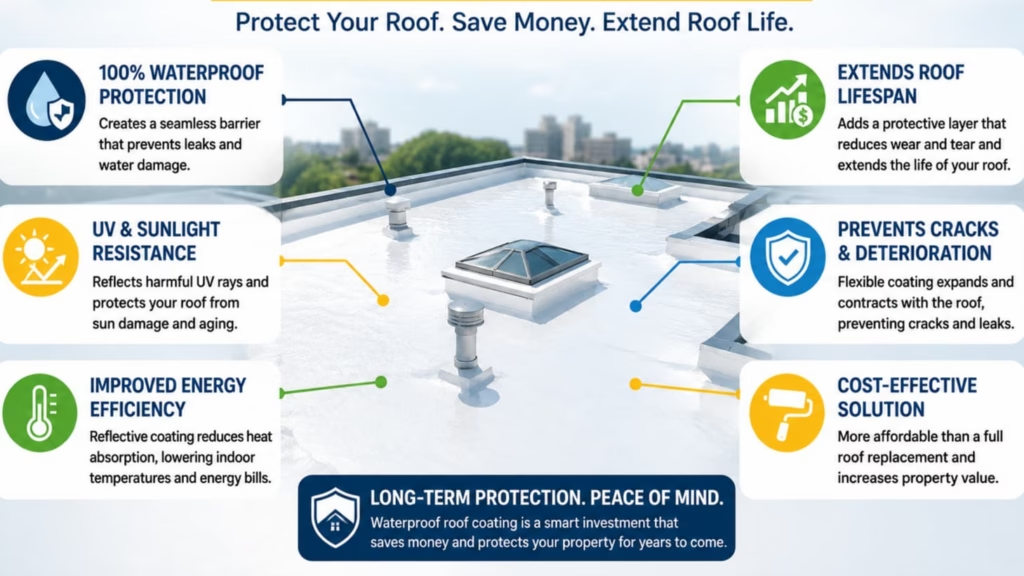
A properly installed coating creates a continuous protective layer that helps reduce water intrusion through the roof surface.
Extends Roof Service Life
Roof restoration with a suitable coating can help delay premature roof replacement by protecting an existing roof that is still in serviceable condition.
Protects Against UV Damage
Constant exposure to sunlight can cause roofing materials to deteriorate over time. Certain roof coatings provide UV resistance and can help protect the underlying roof.
Reduces Weather Exposure
Rain, snow, temperature changes, wind, and sunlight can gradually wear down roofing materials. A properly selected coating adds another layer of protection.
Can Be More Cost-Effective Than Replacement
When the existing roof is structurally sound, coating may cost less than completely removing and replacing the roofing system.
However, coating should not be used to avoid necessary roof replacement when the existing system has reached the end of its useful life.
May Improve Energy Performance
Some reflective roof coatings can reflect a portion of solar radiation and reduce heat absorption at the roof surface. This may help reduce cooling demand during hot weather, although actual energy savings depend on the building, insulation, roof design, climate, and coating system.
Can You Apply Waterproof Coating to Any Roof?
No. Roof coatings are not universally compatible with every roofing material or roof condition.
Before coating, a professional should evaluate the existing roof and determine whether the surface can accept the proposed coating system.
Depending on the coating manufacturer, suitable applications may include certain:
- Flat roofing systems
- Modified bitumen roofs
- Built-up roofing systems
- Metal roofs
- EPDM roofing systems
- TPO roofing systems
- Commercial low-slope roofs
Compatibility varies between products, so the manufacturer’s installation requirements should always be followed.
Roof Preparation Before Applying Coating
Proper preparation is one of the most important parts of a successful roof coating project.
Before application, the roof should generally be:
- Inspected for leaks, damaged areas, loose materials, and structural concerns.
- Cleaned to remove dirt, dust, grease, debris, and other contaminants.
- Repaired where necessary before coating.
- Dried sufficiently so moisture is not trapped beneath the coating.
- Primed when required by the coating manufacturer.
- Detailed around seams, penetrations, flashing, drains, curbs, and other vulnerable areas.
- Coated according to the manufacturer’s required coverage rate and application specifications.
Skipping preparation can lead to adhesion problems, premature coating failure, blistering, cracking, or continued leaks.
Waterproof Roof Coating Application Process
Although the exact process varies by roof and product, a professional roof coating project commonly follows these steps.
Step 1: Roof Inspection
The roofing contractor evaluates the roof’s overall condition and identifies leaks, membrane damage, drainage issues, deteriorated flashing, and other problems.
Step 2: Surface Cleaning
The roof is cleaned to remove contaminants that could prevent proper adhesion.
Step 3: Roof Repairs
Existing defects are repaired before coating. Applying coating over serious damage does not make the underlying problem disappear.
Step 4: Seams and Penetrations
Roof seams, flashing, penetrations, drains, and other vulnerable areas may require additional detailing or reinforcement.
Step 5: Primer Application
Some roofing materials and coating systems require a primer to improve adhesion and compatibility.
Step 6: Roof Coating Application
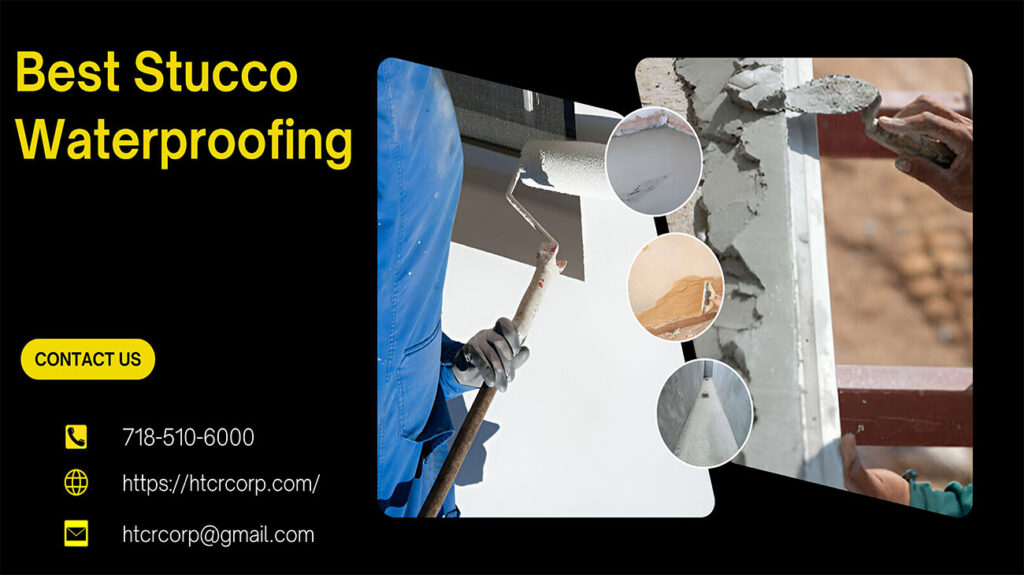
The coating is applied using the method specified by the manufacturer, such as spraying, rolling, or brushing.
Step 7: Curing and Inspection
The coating must be allowed to cure under appropriate weather conditions. The completed roof should then be inspected to ensure adequate coverage and proper detailing.
How Long Does Roof Coating Last?
The lifespan of a roof coating depends on several factors, including the coating material, installation quality, roof condition, climate, exposure, maintenance, and product specifications.
A coating should not be judged only by its advertised lifespan. Proper installation and regular inspections are essential for maintaining performance.
Periodic inspections can identify problems early and determine when maintenance or recoating may be necessary.
Waterproof Roof Coating vs. Roof Replacement
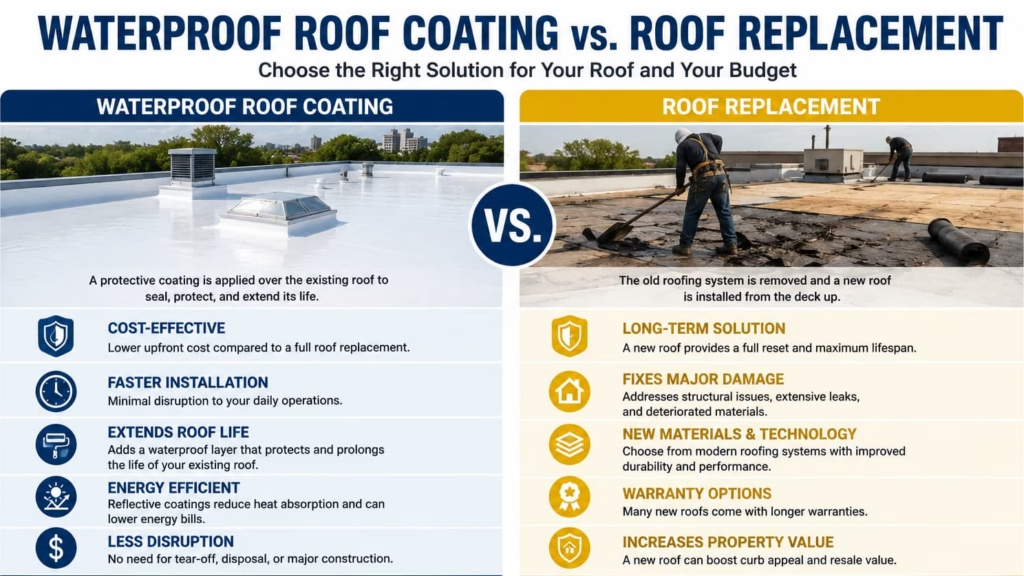
Roof coating and roof replacement serve different purposes.
Roof coating may be appropriate when the existing roofing system is still structurally sound but needs additional protection or restoration.
Roof replacement may be necessary when the roof has extensive deterioration, widespread membrane failure, major structural damage, severe moisture damage, or has reached the end of its serviceable life.
A professional inspection can help determine which option makes sense for the property.
How Much Does Waterproof Roof Coating Cost?
The cost of roof coating varies significantly from one project to another.
Factors that can affect the total cost include:
- Roof size
- Roof accessibility
- Existing roofing material
- Roof condition
- Amount of required repairs
- Type of coating
- Number of coating layers
- Surface preparation
- Labor requirements
- Drainage conditions
- Flashing and penetration details
Because every roof is different, an on-site inspection and project-specific estimate are more useful than relying on a generic price per square foot.
When Should You Coat a Roof?
Roof coating is generally most appropriate when the existing roofing system is in reasonably good condition and can be restored rather than replaced.
You may want to consider a professional roof coating evaluation if you notice:
- Aging roofing materials
- Surface deterioration
- Minor recurring leaks
- UV-related damage
- Cracked or deteriorated areas
- Weathered roof surfaces
- Increasing maintenance requirements
However, visible leaks or deterioration should always be professionally evaluated before deciding on a coating.
Common Roof Coating Mistakes to Avoid
Poor installation can significantly reduce the effectiveness of a roof coating.
Common mistakes include:
Applying Coating Over an Unsuitable Roof
Not every roof can be coated successfully. Compatibility should be confirmed before work begins.
Ignoring Existing Leaks
Coating over active leaks without properly identifying and repairing the source can lead to continued water intrusion.
Poor Surface Preparation
Dirt, moisture, grease, loose materials, and other contaminants can interfere with adhesion.
Applying Too Little Material
Insufficient coating thickness can reduce the expected performance and service life of the system.
Applying Coating in Poor Weather
Temperature, humidity, rain, and other weather conditions can affect application and curing. Manufacturer requirements should always be followed.
Ignoring Drainage
Standing water can create long-term problems. Drainage issues should be evaluated before installing a coating system.
Waterproof Roof Coating for NYC Buildings
New York City roofs experience a wide range of weather conditions throughout the year, including intense summer sun, heavy rain, snow, freezing temperatures, and repeated freeze-thaw cycles.
These conditions can contribute to roof deterioration over time.
For NYC homeowners and building owners, a professional roof inspection can determine whether waterproof coating is an appropriate restoration option. The contractor should evaluate the existing roofing material, drainage, flashing, penetrations, surface condition, and any existing water damage before recommending a coating.
At HTCR Corp, we provide roofing solutions for residential and commercial properties and can evaluate your roof to determine whether repair, coating, restoration, or replacement is the most appropriate option.
Roof Coating Maintenance Tips
Even a high-quality roof coating requires maintenance.
To help protect your investment:
- Schedule regular roof inspections.
- Keep drains and drainage paths clear.
- Remove accumulated debris.
- Check flashing and roof penetrations.
- Address leaks promptly.
- Repair damaged areas before they become larger problems.
- Follow the coating manufacturer’s maintenance recommendations.
- Recoat when the existing system requires restoration.
Regular maintenance can help identify small problems before they develop into expensive roofing repairs.
Frequently Asked Questions
Is waterproof roof coating worth it?
It can be worthwhile when the existing roof is structurally sound and suitable for restoration. Coating can provide additional protection and potentially extend the service life of the roofing system. It is not a substitute for replacement when the roof has severe or widespread damage.
Does roof coating stop leaks?
A properly installed coating can help prevent water intrusion, but it should not be treated as a universal solution for leaks. The source of an existing leak should be identified and repaired before coating.
Can roof coating be applied over an old roof?
In some cases, yes. The existing roof must be inspected, cleaned, repaired, and confirmed to be compatible with the selected coating system.
How often should a roof be coated?
There is no single schedule that applies to every roof. Recoating depends on the coating material, installation, weather exposure, roof condition, and manufacturer’s recommendations. Regular inspections can help determine when additional coating is needed.
Is silicone or acrylic roof coating better?
Neither is automatically better for every roof. Silicone may perform well in certain moisture and ponding-water conditions, while acrylic can provide good UV resistance and reflectivity. The best option depends on the roof, climate, existing material, and project requirements.
Can roof coating be applied over EPDM or TPO?
Certain coating systems can be used over EPDM and TPO, but compatibility and surface preparation are critical. The specific coating manufacturer’s requirements should be followed.
How long does waterproof roof coating take to dry?
Drying and curing time depends on the product, temperature, humidity, roof conditions, and application thickness. The manufacturer’s instructions should determine when the roof can be exposed to moisture or foot traffic.
Final Thoughts
Waterproof roof coating can be an effective roof restoration and maintenance solution when the existing roofing system is suitable for coating. It can help protect against moisture, UV exposure, and weather-related deterioration while potentially extending the life of an existing roof.
The key is proper evaluation, preparation, product selection, and installation.
If you’re unsure whether your roof needs coating, repair, restoration, or replacement, a professional roof inspection is the best place to start. A qualified roofing contractor can evaluate the condition of your roof and recommend the most appropriate solution for your property.
Need a professional roofing evaluation in NYC? Contact HTCR Corp to discuss your roof repair, waterproofing, coating, restoration, or replacement needs.
Contact US
Website: www.htcrcorp.com/
Phone: 718-510-6000
Serving: Manhattan, Brooklyn, Queens, The Bronx, Westchester County, and Long Island.
Address: 201 Bay 43rd St 2nd FL Brooklyn, NY 11214