A leaking flat roof can quickly turn into a costly problem if it’s not addressed promptly. Even a small leak can lead to water damage, mold growth, weakened insulation, and structural issues over time. That’s why timely flat roof leak repair is essential for protecting your home or commercial property.
Flat roofs are popular because of their modern appearance, efficient use of space, and cost-effective installation. However, unlike sloped roofs, they allow water to drain more slowly, making them more vulnerable to leaks if they are not properly maintained.
Whether you’re dealing with a minor leak or significant water damage, understanding the causes, warning signs, and repair options can help you make informed decisions and prevent expensive repairs in the future.
In this guide, you’ll learn everything you need to know about flat roof leak repair, including common causes of leaks, how professionals fix them, repair costs, and tips for keeping your roof in excellent condition.
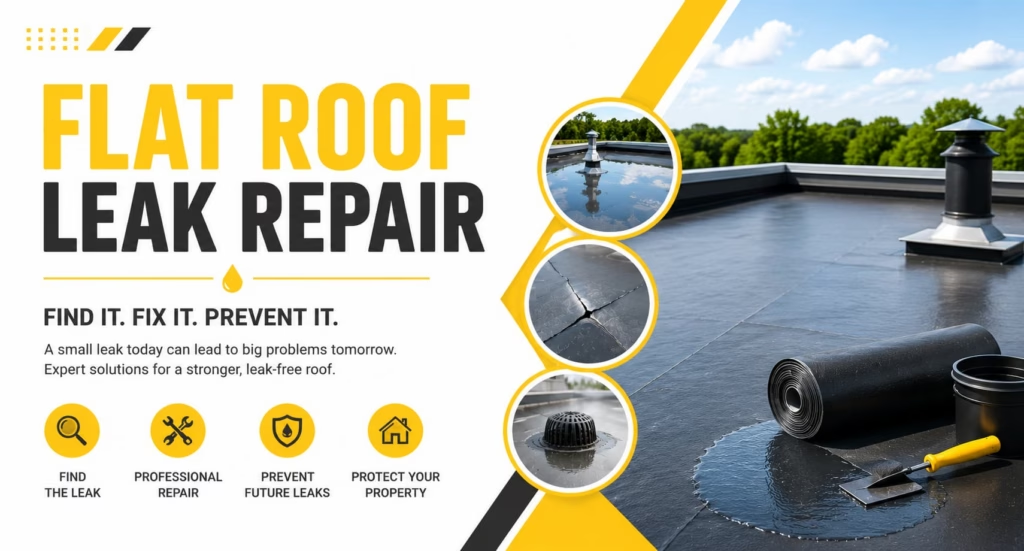
What Causes Flat Roof Leaks?
Flat roofs are designed with a slight slope to direct water toward drains, but several issues can interfere with proper drainage and lead to leaks.
Below are the most common causes of flat roof leaks.
1. Ponding Water
Standing water is one of the leading causes of flat roof leaks.
When water remains on the roof for more than 48 hours, it can:
- Weaken roofing materials
- Damage roof membranes
- Increase the risk of leaks
- Add unnecessary weight to the roof
Poor drainage is often the main reason ponding water develops.
2. Damaged Roofing Membrane
The roofing membrane acts as the primary waterproof barrier.
Over time, it can become damaged due to:
- Aging
- UV exposure
- Heavy foot traffic
- Falling debris
- Severe weather
Common signs include:
- Cracks
- Tears
- Punctures
- Blisters
- Open seams
Even minor membrane damage can allow water to penetrate the roof.
3. Clogged Roof Drains and Gutters
Flat roofs rely on drains and gutters to remove rainwater efficiently.
When these drainage systems become blocked by:
- Leaves
- Dirt
- Branches
- Debris
Water can accumulate on the roof and eventually seep through vulnerable areas.
Regular cleaning helps prevent drainage issues and reduces the risk of leaks.
4. Damaged Flashing
Flashing protects roof joints and areas around roof penetrations, including:
- HVAC units
- Skylights
- Roof vents
- Chimneys
- Pipes
If flashing becomes loose, cracked, or corroded, water can easily enter your building.
5. Aging Roof Materials
Every roofing system has a limited lifespan.
As roofing materials age, they may begin to:
- Dry out
- Shrink
- Crack
- Separate at the seams
- Lose their waterproof properties
Older roofs often require more frequent maintenance and repairs.
6. Poor Installation
Improper installation is a common cause of recurring roof leaks.
Installation mistakes may include:
- Incorrect membrane installation
- Poor seam sealing
- Inadequate flashing
- Improper drainage design
- Low-quality workmanship
Hiring an experienced roofing contractor helps reduce the likelihood of future problems.
Common Signs Your Flat Roof Is Leaking
Identifying a leak early can help prevent more extensive damage.
Watch for these warning signs.
Water Stains on Ceilings
Brown or yellow stains on ceilings often indicate that water has entered through the roof.
These stains may continue to grow if the leak is left untreated.
Mold or Mildew Growth
Excess moisture creates the ideal environment for mold and mildew.
Look for:
- Dark spots on ceilings
- Musty odors
- Mold around walls or insulation
Mold can spread quickly and may affect indoor air quality.
Bubbling or Blistering Roof Surface
If you notice bubbles or raised areas on your flat roof, moisture may be trapped beneath the roofing membrane.
Blistering weakens the roof and increases the chance of future leaks.
Interior Water Drips
Visible water dripping from ceilings during or after rainfall is a clear sign that your roof needs immediate attention.
Ignoring active leaks can result in:
- Damaged drywall
- Ruined insulation
- Electrical hazards
- Structural deterioration
Peeling Paint
Water intrusion often causes paint to:
- Bubble
- Crack
- Peel
- Discolor
This is another indicator that moisture is entering your property.
Increased Energy Bills
A leaking roof can damage insulation, making it less effective.
Poor insulation may cause:
- Higher heating costs
- Increased cooling expenses
- Reduced indoor comfort
Addressing leaks promptly can help restore energy efficiency.
Why You Should Never Ignore a Flat Roof Leak
Even a small leak can become a much larger and more expensive problem over time.
Delaying flat roof leak repair can lead to:
- Structural damage
- Mold growth
- Damaged insulation
- Interior water damage
- Ceiling collapse
- Electrical issues
- Higher repair costs
- Reduced property value
The earlier a leak is repaired, the easier and more affordable the solution is likely to be.
Why Professional Flat Roof Leak Repair Is Important
While temporary patch kits may stop a leak for a short time, they rarely solve the underlying issue.
Professional roofing contractors have the expertise to:
- Locate the exact source of the leak
- Assess hidden damage
- Recommend the most effective repair solution
- Use high-quality materials
- Restore the roof’s waterproof integrity
A professional repair not only fixes the current leak but also helps extend the lifespan of your flat roof.
How Professionals Perform Flat Roof Leak Repair
A successful flat roof leak repair starts with identifying the exact source of the leak. Water can travel beneath the roofing membrane before becoming visible inside the building, making professional inspections essential.
Below is the typical repair process used by experienced roofing contractors.
Step 1: Roof Inspection
The first step is a thorough inspection of the entire roofing system.
Contractors check for:
- Cracks in the roofing membrane
- Open or damaged seams
- Ponding water
- Loose or damaged flashing
- Punctures from debris
- Clogged drains and gutters
- Signs of moisture beneath the membrane
A detailed inspection ensures that all damaged areas are identified before repairs begin.
Step 2: Leak Detection
Finding the actual leak is often more challenging than it appears.
Professionals may use:
- Visual roof inspections
- Moisture detection equipment
- Infrared thermal imaging
- Water testing methods
- Roof core sampling (when necessary)
Accurate leak detection helps prevent unnecessary repairs and ensures the root cause is addressed.
Step 3: Preparing the Damaged Area
Before repairs begin, the damaged section must be cleaned and prepared.
This includes:
- Removing dirt and debris
- Drying wet surfaces
- Cleaning the roofing membrane
- Removing loose roofing materials
- Inspecting the roof deck
Proper preparation improves the durability of the repair.
Step 4: Repairing the Roof
The repair method depends on the roofing material and the extent of the damage.
Common repair techniques include:
- Applying roof patches
- Sealing cracks and seams
- Replacing damaged membrane sections
- Installing new flashing
- Repairing roof drains
- Recoating the roof surface
The goal is to restore a watertight seal and prevent future leaks.
Step 5: Final Inspection
Once repairs are complete, contractors perform a final inspection to ensure the roof is fully sealed and functioning properly.
They check:
- Repair quality
- Drainage performance
- Flashing installation
- Membrane integrity
- Overall roof condition
This final step helps verify that the repair has been completed successfully.
Types of Flat Roofing Systems
The type of roofing system affects both the repair method and the overall cost.
Here are the most common flat roof materials.
EPDM Rubber Roofing
EPDM is a durable synthetic rubber membrane widely used on residential and commercial buildings.
Benefits
- Affordable
- Flexible
- UV resistant
- Weather resistant
- Long lifespan
Common Repairs
- Seam sealing
- Patch installation
- Membrane replacement
TPO Roofing
Thermoplastic Polyolefin (TPO) is known for its energy efficiency and reflective surface.
Benefits
- Heat reflective
- Durable
- Resistant to UV damage
- Low maintenance
Common Repairs
- Heat-welded seam repairs
- Membrane patching
- Flashing replacement
PVC Roofing
PVC roofing is popular for commercial buildings because of its strength and chemical resistance.
Benefits
- Excellent waterproofing
- Fire resistant
- Long-lasting
- Resistant to grease and chemicals
Common Repairs
- Heat welding
- Membrane patching
- Joint resealing
Modified Bitumen Roofing
Modified bitumen roofs consist of multiple waterproof layers.
Benefits
- Strong waterproof protection
- Durable
- Performs well in varying temperatures
Common Repairs
- Patching damaged areas
- Resealing seams
- Replacing worn sections
Built-Up Roofing (BUR)
Built-Up Roofing uses alternating layers of asphalt and reinforcing materials.
Benefits
- Excellent durability
- Strong weather resistance
- Long service life
Common Repairs
- Surface coating
- Layer replacement
- Crack sealing
How Much Does Flat Roof Leak Repair Cost?
The cost of flat roof leak repair depends on the size of the damaged area, roofing material, and labor requirements.
| Repair Type | Estimated Cost |
| Minor Leak Repair | $200–$600 |
| Membrane Patch | $300–$1,000 |
| Flashing Repair | $300–$900 |
| Drain Repair | $250–$800 |
| Large Leak Repair | $1,000–$3,000+ |
Note: Prices vary based on your location, roof accessibility, and the extent of the damage.
Factors That Affect Repair Costs
Several factors influence the final repair bill.
Roof Size
- More materials
- Additional labor
- Longer repair times
Larger roofs require:
Roofing Material
Some roofing systems are easier and less expensive to repair than others.
Repair costs typically increase with premium materials such as:
- PVC
- Slate-adjacent systems
- Specialty commercial membranes
Severity of Damage
Minor punctures are relatively inexpensive to repair.
Extensive issues such as:
- Water damage
- Structural deterioration
- Large membrane failures
can significantly increase costs.
Accessibility
Repairs become more expensive if contractors must work around:
- HVAC equipment
- Solar panels
- Multiple roof levels
- Difficult access points
Temporary vs Permanent Flat Roof Leak Repair
Not all repairs provide the same level of protection.
Temporary Repairs
Temporary solutions may include:
- Roof tar
- Sealants
- Waterproof tape
- Emergency patch kits
Best For
- Emergency situations
- Preventing additional water intrusion
- Short-term protection until professional repairs can be completed
Permanent Repairs
Permanent repairs address the underlying cause of the leak.
They may involve:
- Replacing damaged membrane sections
- Installing new flashing
- Repairing roof drains
- Resealing seams
- Restoring waterproof coatings
Professional permanent repairs offer better long-term performance and help reduce the risk of recurring leaks.
Can You Repair a Flat Roof Yourself?
Small repairs may seem straightforward, but DIY repairs often fail to resolve the underlying issue.
Risks of DIY Repairs
- Incorrect leak identification
- Improper sealing
- Safety hazards
- Additional roof damage
- Voided manufacturer warranties
For long-lasting results, it’s generally best to hire an experienced roofing contractor who can accurately diagnose and repair the problem.
How to Prevent Future Flat Roof Leaks
The best way to avoid costly flat roof leak repair is through regular maintenance and early detection. A proactive approach can extend your roof’s lifespan and reduce the risk of unexpected damage.
Schedule Regular Roof Inspections
Professional inspections can identify small problems before they become major repairs.
It’s recommended to have your flat roof inspected:
- At least twice a year
- After severe storms
- Following heavy snowfall or hail
- Before buying or selling a property
Routine inspections help detect hidden issues that may not be visible from the ground.
Keep Roof Drains and Gutters Clean
Proper drainage is essential for flat roofs.
Regularly remove:
- Leaves
- Dirt
- Branches
- Moss
- Other debris
Keeping drains clear helps prevent ponding water, one of the leading causes of flat roof leaks.
Remove Standing Water
Water that remains on your roof for more than 48 hours can damage roofing materials and increase the likelihood of leaks.
If you notice frequent ponding water, have a roofing professional inspect your drainage system and roof slope.
Repair Minor Damage Immediately
Small roofing issues can quickly become expensive problems if left untreated.
Address issues such as:
- Small punctures
- Loose flashing
- Open seams
- Minor cracks
- Membrane blisters
Prompt repairs can prevent water from reaching the roof deck and interior of your property.
Limit Foot Traffic
Walking on a flat roof unnecessarily can damage the roofing membrane.
If roof access is required:
- Use designated walk pads where available.
- Avoid dragging heavy equipment across the surface.
- Hire professionals for inspections and repairs whenever possible.
Trim Nearby Trees
Overhanging branches can scrape the roof surface and drop debris that blocks drainage systems.
Tree maintenance helps:
- Reduce punctures from falling branches
- Minimize debris buildup
- Lower the risk of storm-related roof damage
Repair or Replace Your Flat Roof?
One of the most common questions property owners ask is whether they should repair the leak or replace the entire roof.
The answer depends on the roof’s condition, age, and extent of damage.
Repair Your Flat Roof If:
- The leak is isolated.
- The roof is relatively new.
- The roofing membrane is in good condition.
- Damage is limited to a small area.
- There are no major structural concerns.
Repairs are often the most cost-effective solution when issues are addressed early.
Replace Your Flat Roof If:
- The roof has reached the end of its expected lifespan.
- Multiple leaks occur regularly.
- Water damage is widespread.
- Large sections of the membrane are failing.
- Structural components have been compromised.
While replacement requires a larger upfront investment, it can reduce ongoing maintenance costs and provide long-term peace of mind.
Why Professional Flat Roof Leak Repair Matters
Hiring a qualified roofing contractor offers several advantages over temporary or DIY solutions.
Professional roofing services provide:
- Accurate leak detection
- Long-lasting repair solutions
- High-quality materials
- Safe installation practices
- Compliance with local building codes
- Warranty-backed workmanship
Experienced contractors also inspect the entire roofing system to identify potential issues before they lead to additional damage.
Frequently Asked Questions
What is the most common cause of a flat roof leak?
The most common causes include ponding water, damaged roofing membranes, cracked flashing, clogged drains, and aging roofing materials.
Can a flat roof leak be repaired without replacing the roof?
Yes. If the damage is limited to a small area and the roof is still in good condition, professional flat roof leak repair is often enough to restore the roof’s waterproof performance.
How long does a flat roof repair take?
Most minor repairs can be completed within a few hours. Larger repairs or projects involving membrane replacement may take one to several days, depending on the extent of the damage.
How much does flat roof leak repair cost?
The cost varies based on the size of the leak, roofing material, and repair complexity. Minor repairs may cost a few hundred dollars, while extensive damage can require a larger investment.
Can I delay repairing a small roof leak?
Delaying repairs is not recommended. Even a small leak can lead to:
- Water damage
- Mold growth
- Damaged insulation
- Structural deterioration
- Higher repair costs over time
Addressing leaks early is almost always more affordable than waiting.
Why Choose HTCR Corp for Flat Roof Leak Repair?
When your flat roof starts leaking, you need a roofing contractor you can trust to respond quickly and deliver lasting results.
At HTCR Corp, we provide professional flat roofing solutions for both residential and commercial properties. Our experienced team uses quality materials and proven repair methods to restore your roof and protect your property from future water damage.
Our Services Include:
- Flat roof leak inspections
- Residential flat roof repairs
- Commercial flat roof repairs
- Emergency roof leak services
- Roof maintenance programs
- Roof replacement and installation
- Preventive roofing solutions
Whether your roof has a small puncture or extensive water damage, our team is committed to providing reliable workmanship and exceptional customer service.
Final Thoughts
A leaking flat roof should never be ignored. Prompt flat roof leak repair helps protect your property, prevent structural damage, and avoid more expensive repairs in the future.
By understanding the common causes of flat roof leaks, recognizing the warning signs, and investing in regular maintenance, you can extend the life of your roofing system and improve its performance.
When repairs are needed, working with an experienced roofing contractor ensures the problem is diagnosed correctly and fixed using durable, long-lasting solutions.
Contact HTCR Corp Today
If you’re dealing with a leaking flat roof, don’t wait for the damage to get worse.
HTCR Corp offers dependable flat roof leak repair services designed to restore your roof and safeguard your home or business. From detailed inspections to complete repair solutions, our team is ready to help.
Contact HTCR Corp today to schedule a professional roof inspection and receive a free estimate for your flat roof repair project.
Contact US
Website: www.htcrcorp.com/
Phone: 718-510-6000
Serving: Manhattan, Brooklyn, Queens, The Bronx, Westchester County, and Long Island.
Address: 201 Bay 43rd St 2nd FL Brooklyn, NY 11214