Planning a beautiful and durable walkway requires more than just laying down stones. Proper paver installation ensures your paths are functional, safe, and aesthetically pleasing for years to come. Whether it’s a small garden path, a large backyard walkway, or a front yard entrance, understanding the right installation techniques is key to achieving professional results. In this guide, we will cover all aspects of paver installation in 2026, including material choices, preparation, installation methods, common mistakes, and maintenance tips.
Understanding Paver Installation: Why It Matters
The foundation of any successful walkway is proper paver installation. Poor installation can lead to uneven surfaces, water pooling, cracks, and increased maintenance costs. Correct installation enhances durability, safety, and curb appeal, while also ensuring that your investment lasts for decades. Walkways are not just functional; they are a significant part of your home’s landscape. A professionally installed walkway improves property value and provides a welcoming atmosphere for visitors.
At HTCR Corp, our team has helped homeowners achieve flawless walkways through precise and high-quality paver installation services. Using the right techniques, materials, and tools, we create pathways that are both beautiful and long-lasting.

Choosing the Right Paver Material
Material selection is one of the most important steps in paver installation. The right material not only enhances the visual appeal of your walkway but also ensures longevity and low maintenance. Popular paver materials include:
Concrete Pavers: Concrete pavers are affordable, versatile, and easy to install. They come in a variety of shapes, sizes, and colors, making them suitable for straight or curved paths.
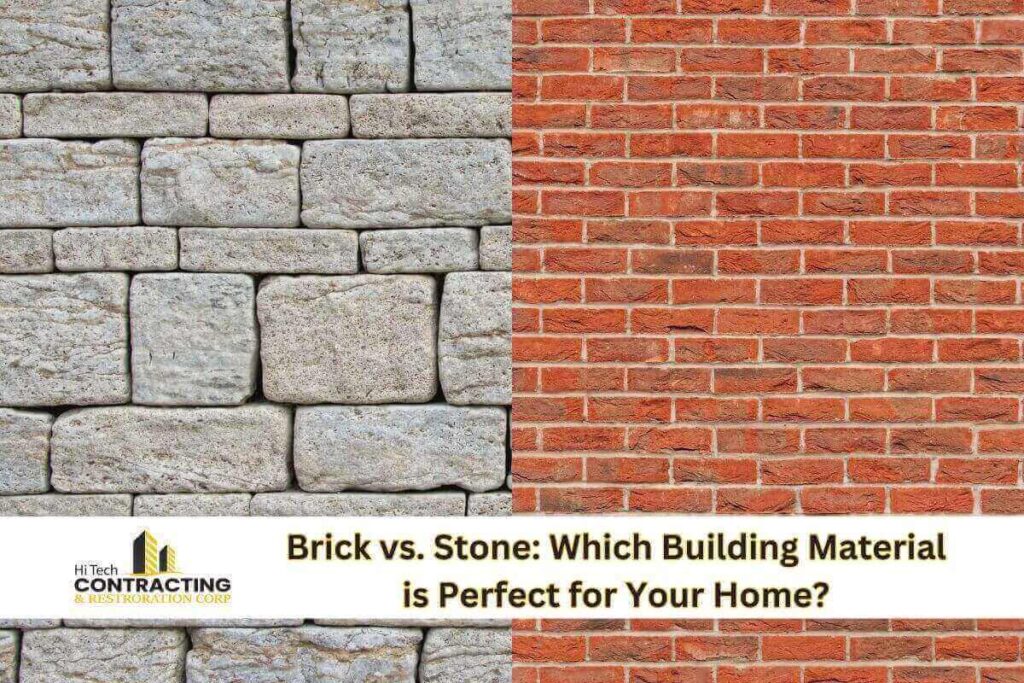
Brick Pavers: Known for their timeless aesthetic, brick pavers offer durability and eco-friendliness. Their classic look enhances traditional and modern landscapes alike.
Natural Stone Pavers: Granite, limestone, sandstone, and flagstone are high-end options that provide a unique and elegant appearance. Each stone is naturally distinct, giving your walkway a premium look.
Porcelain Pavers: Porcelain is sleek, modern, and highly resistant to wear and weather. It is ideal for poolside areas or high-traffic walkways.
Permeable Pavers: Designed to reduce water runoff, permeable pavers are environmentally friendly and perfect for areas with heavy rainfall or strict water management requirements.
Selecting the right material depends on your budget, style preferences, and climate conditions. Each type has its advantages, so careful consideration ensures a successful paver installation project.
Tools and Materials Needed for Paver Installation
Proper paver installation requires the right tools and materials. Before starting, gather:
- Crushed stone or gravel for the base
- Coarse sand for bedding
- Paver spacers and edging materials
- Rubber mallet and level
- Plate compactor for base compaction
- Shovel and wheelbarrow
- Broom and sealant
Having all necessary tools at hand ensures the installation is smooth and precise, reducing the risk of uneven surfaces or shifting pavers over time.
Step-by-Step Paver Installation Process
1. Planning and Layout: Start by measuring the walkway area. Decide on patterns and orientation. Draw a layout plan to visualize the final look and calculate the number of pavers required.
2. Excavation: Remove topsoil to a depth of 6-8 inches. Proper excavation creates space for a stable base and prevents future shifting.
3. Base Preparation: Fill the area with crushed stone or gravel and compact it using a plate compactor. A strong base is essential for long-lasting paver installation.
4. Sand Bedding: Add a 1-inch layer of coarse sand over the compacted base. Level it with a screed board to ensure a smooth surface.
5. Laying Pavers: Place pavers according to your layout plan. Use spacers if necessary and gently tap each paver with a rubber mallet. Ensure proper alignment and level.
6. Edging Installation: Secure edges with paver edging materials to prevent movement over time. This helps maintain the walkway’s shape and stability.
7. Joint Sand Filling: Sweep polymeric sand into the joints between pavers. Compact the surface again to lock pavers in place. This step prevents weed growth and movement.
8. Cleaning and Sealing: Remove excess sand and apply sealant to protect pavers from stains, weather, and wear. Sealing also enhances the colors and makes maintenance easier.
Common Paver Installation Mistakes to Avoid
Even minor mistakes can compromise your walkway. Avoid these pitfalls:
- Skipping proper base compaction
- Using insufficient base depth
- Ignoring drainage requirements
- Uneven sand bedding
- Neglecting edge restraints
Avoiding these mistakes ensures your walkway remains level, stable, and visually appealing.
Paver Installation Costs
The total cost of paver installation depends on several factors, including material choice, labor, project size, and design complexity. Concrete pavers are the most budget-friendly, while natural stone or porcelain options are premium. Labor costs vary depending on whether you hire professionals or attempt DIY installation. Complex patterns or difficult terrain may increase costs by 20-40%, but the investment ensures a durable and beautiful walkway.
DIY vs Professional Installation
Choosing between DIY and professional installation depends on your skill level and project size. DIY installation can be cost-effective and satisfying for simple walkways. However, mistakes in base preparation, leveling, or pattern alignment can compromise the durability of your walkway. Professional paver installation, like the services provided by HTCR Corp, guarantees precise results, durable walkways, and long-lasting aesthetics. For complex patterns, slopes, or high-end materials, professional installation is often the best choice.
Maintenance Tips for Long-Lasting Walkways
Maintenance is essential to preserve your investment. To keep your walkways in perfect condition:
- Sweep regularly to remove debris and dirt
- Refill joint sand as needed to maintain stability
- Pressure wash stains carefully without dislodging pavers
- Inspect for uneven areas and repair promptly
- Apply sealant every 2-3 years for added protection
With consistent maintenance, your paver installation will remain beautiful and functional for decades.
How Paver Installation Enhances Property Value
A well-installed walkway boosts curb appeal, functionality, and safety. It adds charm and elegance to your landscape while increasing property value. Homeowners who invest in professional paver installation often see a return on investment through higher resale value and enhanced outdoor living spaces. Properly designed and maintained walkways not only look stunning but also offer practical benefits for everyday use.
Conclusion
Successful paver installation is the foundation of a beautiful and durable walkway. From selecting the right materials to careful base preparation, precise laying, and ongoing maintenance, every step contributes to a long-lasting and aesthetically pleasing path. Whether you choose DIY or professional services from HTCR Corp, understanding the installation process ensures your walkway is safe, functional, and visually stunning. Investing in quality installation today will provide beautiful, enduring walkways that enhance your home’s landscape and increase property value for years to come.
Contact US
Website: www.htcrcorp.com/
Phone: 718-510-6000
Serving: Manhattan, Brooklyn, Queens, The Bronx, Westchester County, and Long Island.
Address: 201 Bay 43rd St 2nd FL Brooklyn, NY 11214