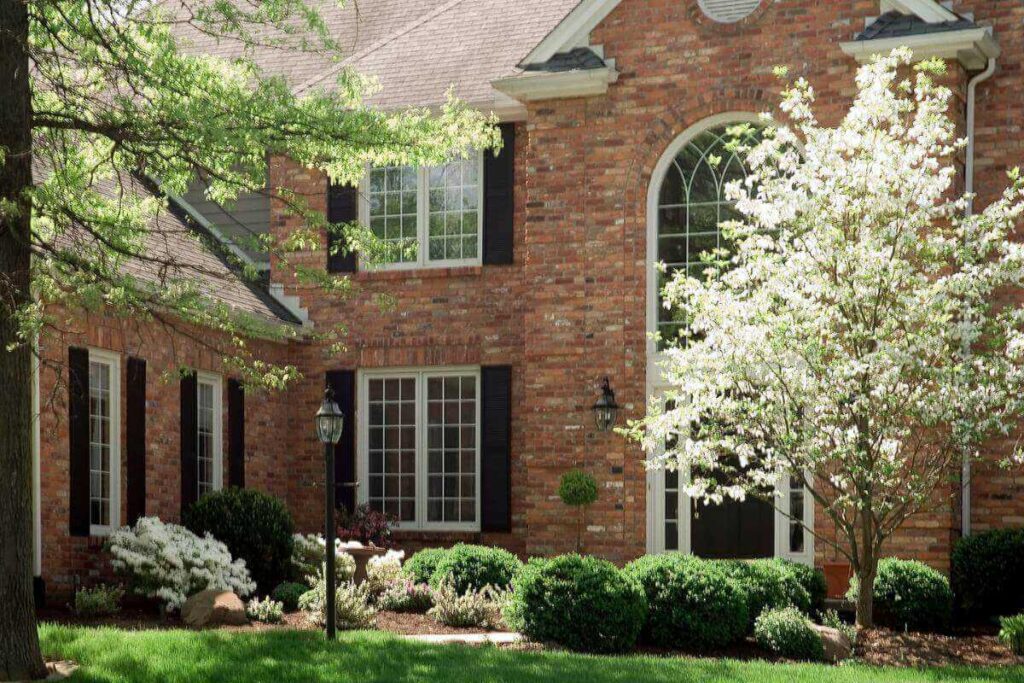
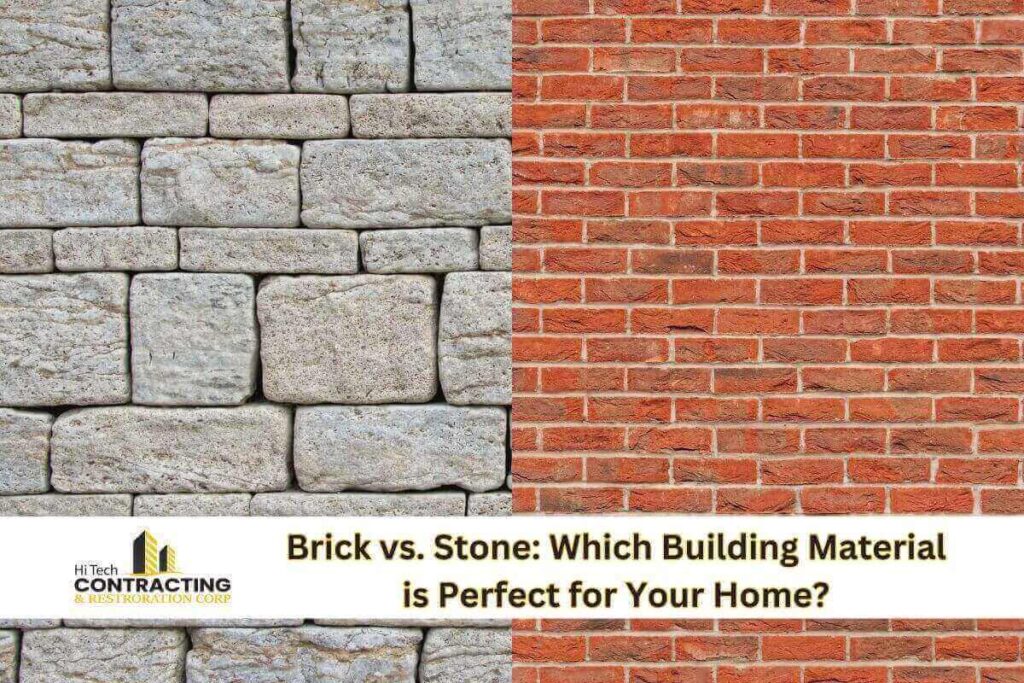
Brick structures are built to last, but years of exposure to rain, sunlight, freezing temperatures, and pollution can gradually wear them down. Cracks, damaged mortar, and water stains are common problems that develop as brickwork ages.
Professional brick restoration helps repair these issues before they become serious structural concerns. Instead of replacing entire walls, restoration focuses on repairing damaged areas while preserving the original appearance of the building.
Whether you own a home, commercial property, or historic building, restoring brickwork can improve durability, enhance curb appeal, and protect your investment for years to come.
What Is Brick Restoration?
Brick restoration is the process of repairing and renewing damaged brickwork without rebuilding the entire structure. The goal is to restore both the strength and appearance of the masonry while preserving as much of the original material as possible.
Over time, bricks and mortar naturally deteriorate due to weather and moisture. Restoration addresses these problems using specialised masonry techniques such as repointing, brick replacement, cleaning, and waterproofing. Professional brick restoration is commonly used for:
- Residential homes
- Commercial buildings
- Historic properties
- Brick facades
- Chimneys
- Garden walls
Restoring existing brickwork is often more affordable and environmentally friendly than complete replacement.
Why Brick Restoration Matters
Many homeowners don’t realise that small brick problems can quickly become major structural issues. A tiny crack or missing mortar joint may allow water to enter the wall, causing further damage over time. Investing in brick restoration early helps prevent costly repairs while extending the life of your property’s exterior.
Some of the biggest benefits include:
- Protects the structure from moisture
- Improves the building’s appearance
- Extends the lifespan of brickwork
- Preserves historic character
- Increases property value
Proper restoration also helps maintain the strength and safety of the entire structure.
Signs Your Brickwork Needs Restoration
Brick damage usually develops slowly. Knowing what to look for can help you address problems before they become more expensive to repair.
Cracked Bricks
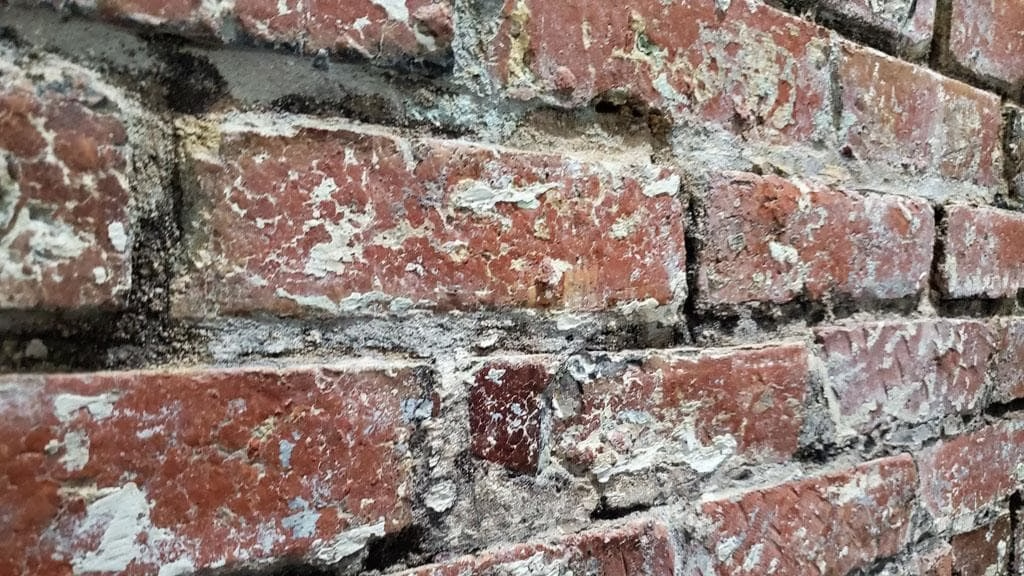
Small cracks may seem harmless, but they often allow water to penetrate the brick. During freezing weather, trapped moisture expands and can make the cracks even larger. If multiple bricks are cracked, it’s best to have them inspected by a professional.
Damaged Mortar Joints
Mortar holds bricks together, but it naturally wears away over time. When mortar begins to crumble, gaps form between the bricks, making the wall more vulnerable to moisture. Repairing damaged mortar early helps keep the brickwork strong and stable.
Loose Bricks
Bricks should remain firmly in place. If you notice bricks moving, leaning, or separating from the wall, the underlying mortar may have weakened. Ignoring loose bricks can eventually affect the structural integrity of the wall.
White Stains (Efflorescence)
A white powdery residue on brick surfaces is called efflorescence. It appears when moisture carries natural salts to the surface of the brick. Although the stains are usually not harmful, they often indicate excess moisture that should be investigated.
Water Damage
Water is one of the leading causes of brick deterioration. If moisture continues to enter the masonry, it can weaken both the bricks and the mortar. Common warning signs include:
- Damp walls
- Water stains
- Moss or algae growth
- Peeling paint
- Persistent moisture
Benefits of Professional Brick Restoration
Professional restoration offers more than just cosmetic improvements. It helps protect your property while preserving the original beauty of the brickwork.
Improves Structural Strength
Restoring damaged bricks and mortar reinforces the wall and helps prevent future deterioration. Small repairs completed today can prevent much larger structural problems later.
Enhances Curb Appeal
Freshly restored brickwork instantly improves the appearance of a property. Clean bricks and repaired mortar give the building a well-maintained, professional look.
Saves Money Over Time
Addressing minor damage early is usually much less expensive than replacing large sections of brickwork. Regular maintenance can significantly reduce future repair costs.
Preserves Historic Character
Many older buildings feature unique brickwork that cannot easily be replicated. Restoration helps maintain the original design while improving durability for years to come.
Common Brick Restoration Techniques
Every brick restoration project is different. The restoration method depends on the type of damage, the age of the building, and the condition of the masonry. Professional contractors carefully assess the brickwork before recommending the most suitable repair technique. Below are the most common methods used in brick restoration.
Repointing
Repointing is one of the most common brick restoration techniques. It involves removing damaged or deteriorated mortar and replacing it with fresh mortar that matches the original colour and texture.
This process helps:
- Strengthen brick walls
- Prevent water penetration
- Improve the appearance of masonry
- Extend the life of the structure
Proper repointing also helps preserve the original character of older buildings.
Tuckpointing
Although tuckpointing is often confused with repointing, it is a more detailed process. It uses two different mortar colours to create the appearance of perfectly uniform joints.
This technique is commonly used on:
- Historic buildings
- Decorative brick facades
- Heritage homes
- High-end residential properties
Besides improving appearance, tuckpointing also reinforces weakened mortar joints.
Brick Replacement
Not every damaged brick can be repaired. If bricks are severely cracked, broken, or crumbling, replacing them may be the best solution.
Professional contractors carefully remove the damaged bricks and install new ones that closely match the original size, colour, and texture. This ensures the repaired area blends seamlessly with the existing brickwork.
Brick Cleaning
Years of dirt, pollution, moss, and stains can make brickwork appear old and neglected.
Professional cleaning removes these surface contaminants without damaging the bricks. Depending on the condition of the masonry, contractors may use gentle pressure washing, specialised cleaning solutions, or soft-bristle cleaning techniques. A properly cleaned brick surface instantly improves the property’s appearance.
Crack Repair
Small cracks should never be ignored because they allow moisture to enter the masonry. Professional crack repair involves identifying the cause of the damage before sealing or replacing affected bricks. Fixing cracks early helps prevent larger structural problems in the future.
Waterproof Sealing
Once restoration work is complete, many contractors recommend applying a breathable waterproof sealant.
A quality sealant helps:
- Reduce water absorption
- Protect against weather damage
- Minimise staining
- Extend the lifespan of brickwork
The sealant allows trapped moisture to escape while preventing excess water from entering the masonry.
What Affects Brick Restoration Costs?
The cost of brick restoration varies from one project to another. While small repairs may be completed quickly, larger restoration projects require more labour, materials, and specialised equipment. Several factors influence the overall cost.
Size of the Project
A small chimney repair will naturally cost less than restoring the brick façade of an entire building.
Larger projects require:
- More materials
- Additional labour
- Longer completion times
- More detailed inspections
The total restoration area has a significant impact on pricing.
Condition of the Brickwork
The amount of existing damage also affects the cost.
If the bricks only require cleaning and minor repointing, the project is generally more affordable. However, widespread cracks, loose bricks, or structural issues often require more extensive repairs. The sooner damage is addressed, the lower the repair costs are likely to be.
Accessibility
Some buildings are easier to work on than others. Properties with multiple storeys, narrow access points, or difficult-to-reach brickwork may require scaffolding or specialised equipment, increasing both labour time and project costs.
Materials Used
Matching replacement bricks and mortar is especially important for older homes and historic buildings. Using high-quality materials ensures the repaired sections blend with the existing structure while maintaining long-term durability.
Brick Restoration vs. Brick Replacement
Many homeowners wonder whether restoration or complete replacement is the better option.
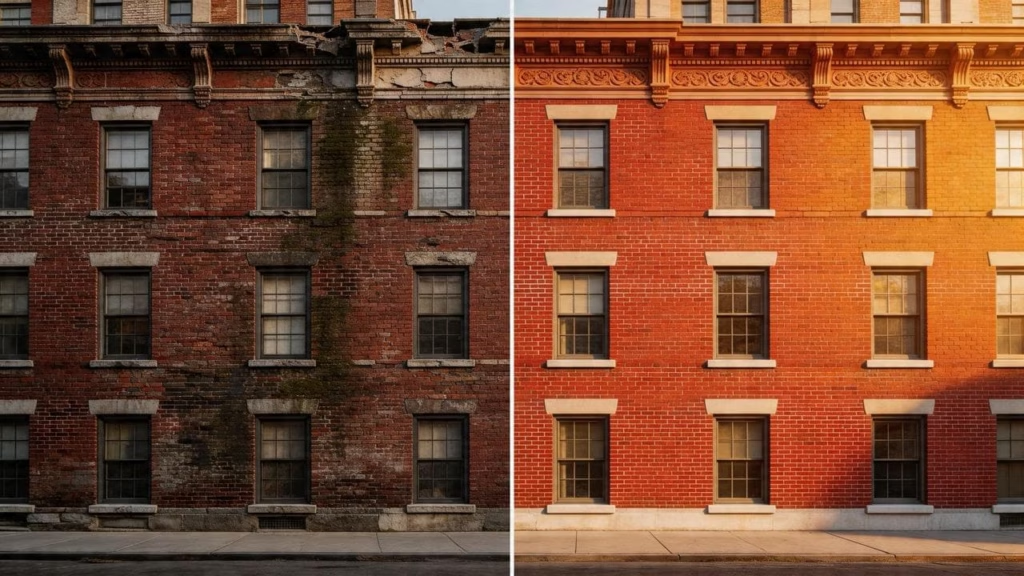
In most cases, restoration is recommended when the majority of the brickwork remains structurally sound. Replacement is usually reserved for areas where the bricks have deteriorated beyond repair.
| Feature | Brick Restoration | Brick Replacement |
| Purpose | Repairs existing brickwork | Installs new brickwork |
| Cost | Usually lower | Usually higher |
| Appearance | Preserves original look | May differ from existing brick |
| Project Time | Shorter | Longer |
| Best For | Minor to moderate damage | Severe structural damage |
A professional inspection can determine which solution is most appropriate for your property.
Common Causes of Brick Damage
Understanding what causes brick deterioration can help homeowners prevent future problems.
Weather Exposure
Constant exposure to rain, sunlight, and changing temperatures gradually wears down both bricks and mortar.
Moisture
Water is one of the leading causes of masonry damage. When moisture enters cracks or mortar joints, it can weaken the entire structure over time.
Freeze-Thaw Cycles
During winter, trapped water freezes and expands inside the brick. As temperatures rise, the ice melts and leaves behind larger cracks.
Poor Maintenance
Ignoring small cracks or damaged mortar often leads to larger restoration projects later. Regular inspections and timely repairs help keep brick structures in excellent condition.
Foundation Movement
If a building’s foundation shifts, the brickwork may begin to crack or separate. In these situations, the underlying structural issue should be addressed before cosmetic brick repairs are completed.
Vegetation Growth
Tree roots, climbing plants, and heavy vines can trap moisture against brick walls or place pressure on mortar joints. Keeping vegetation properly maintained helps reduce unnecessary damage to masonry.
How to Maintain Restored Brickwork
Once your brick restoration project is complete, regular maintenance is essential to keep the masonry in excellent condition. Simple preventative care can help extend the life of your brickwork and reduce the need for major repairs in the future.
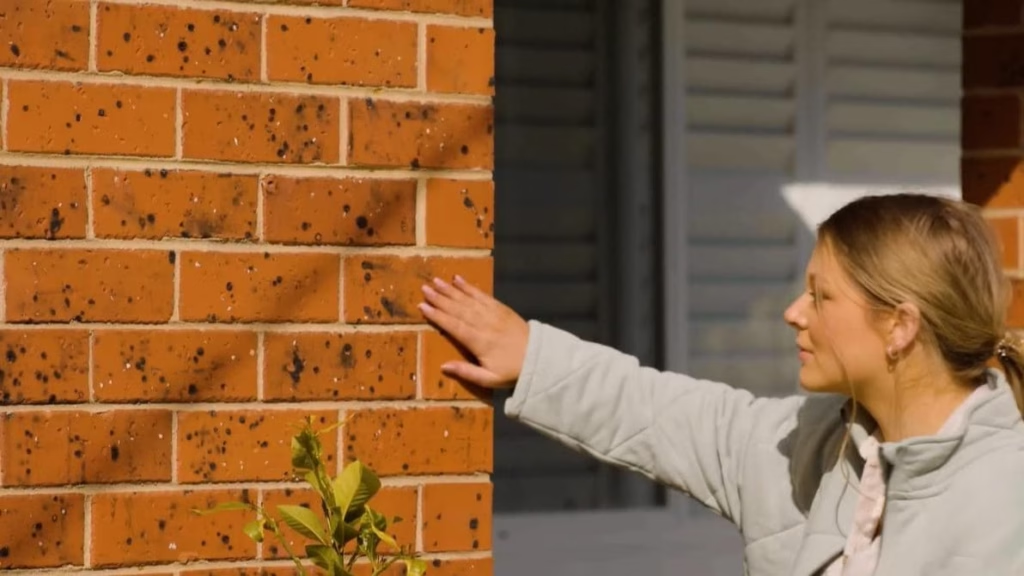
Here are a few maintenance practices every property owner should follow.
Inspect Your Brickwork Every Year
A yearly inspection allows you to identify small issues before they become costly problems. Look closely for new cracks, loose bricks, or deteriorating mortar joints.
Early repairs are usually quicker and more affordable than fixing extensive damage later.
Keep Brick Surfaces Clean
Over time, dirt, dust, moss, and pollution can affect the appearance of brick walls.
Cleaning the brickwork every so often helps maintain its original colour and prevents long-term staining. Always use gentle cleaning methods that won’t damage the masonry or mortar.
Maintain Gutters and Downspouts
Water that overflows from blocked gutters can run down brick walls, causing moisture damage and staining.
To protect your masonry:
- Clean gutters regularly.
- Ensure downspouts direct water away from the foundation.
- Repair leaking gutter sections promptly.
Proper drainage is one of the simplest ways to preserve restored brickwork.
Repair Minor Damage Quickly
Small cracks or loose mortar may not seem serious, but they can allow water to enter the wall.
Addressing these issues as soon as they appear helps prevent:
- Water intrusion
- Freeze-thaw damage
- Structural deterioration
- More expensive restoration work
Routine maintenance keeps your brickwork in good condition throughout the year.
Common Mistakes to Avoid During Brick Restoration
A successful restoration project requires the right materials, techniques, and experience. Avoiding common mistakes helps ensure the repaired brickwork remains durable and visually appealing.
Using the Wrong Mortar
Not all mortar is the same. Using a mortar that is stronger or weaker than the original can lead to cracking and damage over time. Professional contractors carefully match the mortar to the existing brickwork for the best results.
Ignoring Moisture Problems
Repairing bricks without addressing the source of moisture often leads to recurring damage. Before restoring masonry, contractors should identify issues such as leaking gutters, poor drainage, or foundation cracks that allow water to penetrate the wall.
Excessive Pressure Washing
While cleaning is important, high-pressure washing can damage older bricks and erode mortar joints. Gentle cleaning techniques are generally recommended to preserve the surface of the masonry.
Delaying Repairs
Many homeowners postpone small repairs because the damage appears minor. Unfortunately, brick deterioration usually worsens over time. Prompt repairs can prevent larger structural issues and help reduce overall restoration costs.
Attempting Major DIY Repairs
Simple cleaning may be suitable for homeowners, but structural masonry repairs require specialised knowledge. Professional restoration ensures that repairs are completed safely, correctly, and in accordance with industry standards.
Why Hire Professional Brick Restoration Contractors?
Although DIY repairs may seem cost-effective, professional contractors have the skills and equipment needed to restore brickwork properly.
Experienced masonry specialists understand how different types of brick and mortar behave over time. They can accurately diagnose the cause of damage and recommend the most effective repair solution.
Hiring a professional also offers several benefits:
- Accurate assessment of brick damage
- Proper repair techniques
- Matching bricks and mortar
- High-quality workmanship
- Improved long-term durability
- Safer project completion
Working with experienced professionals helps ensure your brickwork remains strong and attractive for years to come.
Why Choose HTCR Corp?
At HTCR Corp, we understand that quality brickwork is essential for both the appearance and structural integrity of your property. Our experienced team provides professional brick restoration services tailored to residential, commercial, and historic buildings.
We carefully inspect every project before recommending the most effective restoration solution. Whether your brickwork requires cleaning, repointing, brick replacement, or waterproofing, we focus on delivering durable results with exceptional craftsmanship.
Our masonry services include:
- Brick restoration
- Brick repair
- Repointing and tuckpointing
- Brick replacement
- Masonry restoration
- Chimney repair
- Waterproofing services
- Exterior masonry maintenance
Our goal is to preserve the beauty and strength of your brickwork while protecting your investment for years to come.
Final Thoughts
Brick is one of the most durable building materials available, but even the strongest masonry requires proper care over time. Investing in brick restoration helps repair damage, improve curb appeal, and extend the lifespan of your property without the expense of complete replacement.
By addressing small issues early and working with experienced masonry professionals, you can preserve your building’s original character while preventing more costly structural repairs in the future.
Restore Your Brickwork with HTCR Corp
If you’ve noticed cracked bricks, deteriorating mortar, or signs of water damage, now is the ideal time to take action.
HTCR Corp provides reliable brick restoration and masonry repair services designed to protect your property and restore its original appearance. Our experienced team delivers high-quality workmanship using proven restoration techniques and durable materials.
Contact HTCR Corp today to schedule a professional inspection and receive a free estimate for your brick restoration project.
Contact US
Website: www.htcrcorp.com/
Phone: 718-510-6000
Serving: Manhattan, Brooklyn, Queens, The Bronx, Westchester County, and Long Island.
Address: 201 Bay 43rd St 2nd FL Brooklyn, NY 11214